Episode Transcript
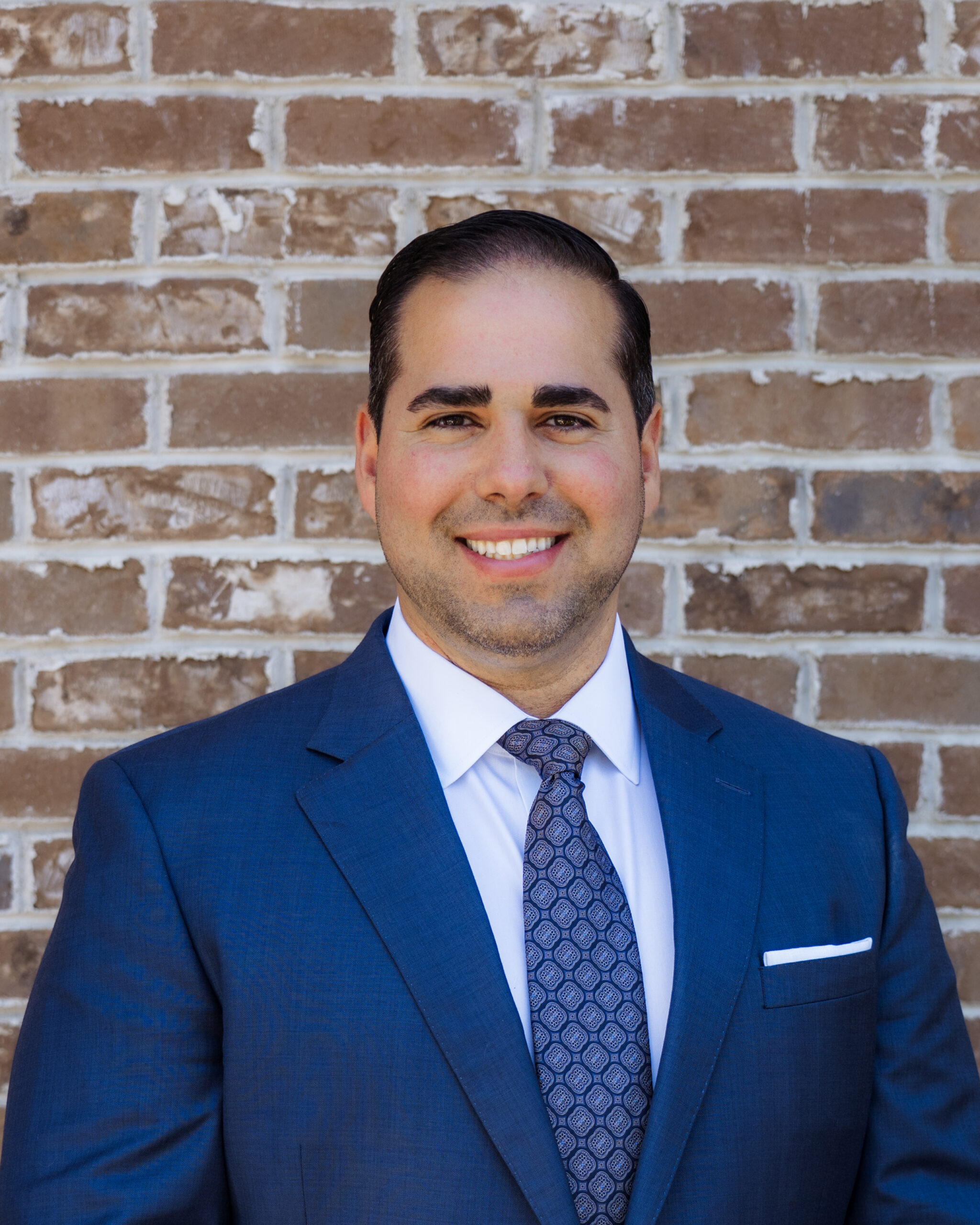
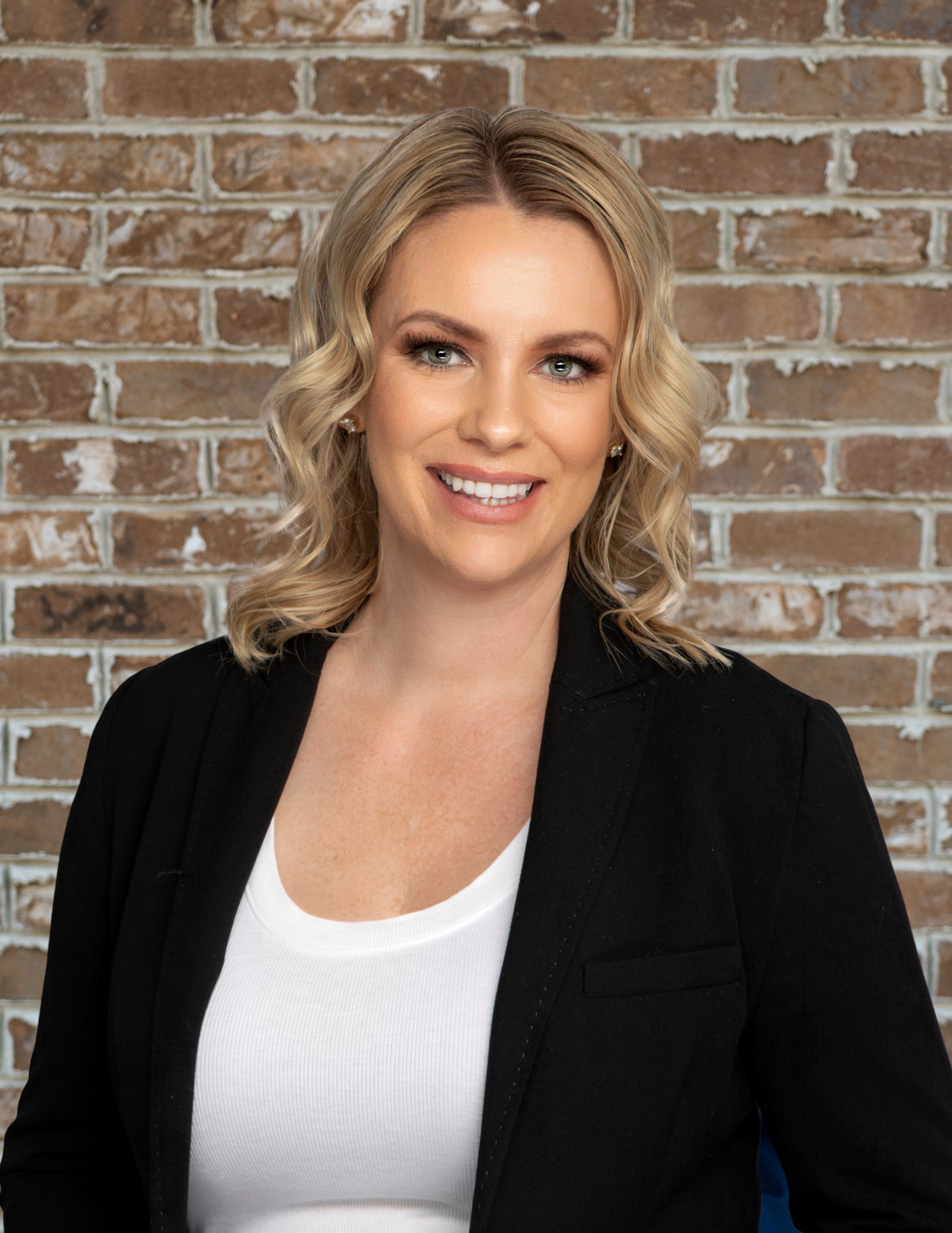
[00:00:00] Speaker A: Welcome to AllView360 all things real Estate Podcast. With your hosts Daniel Gutierrez and Shannon Dempsey, we explore real estate from every angle, giving you insights, tools and confidence to make smart decisions that support your future. It's time for a new perspective on property. Welcome to AllView360.
Good morning.
[00:00:19] Speaker B: Good morning.
[00:00:20] Speaker A: I'm excited today. I feel like this is one that I'll actually learn from from you in real time.
[00:00:26] Speaker B: Yeah, this will be fun. A ton of great experiences, a ton of research, a lot of stories, the.
[00:00:33] Speaker A: Things that get you excited.
[00:00:34] Speaker B: Yeah.
[00:00:35] Speaker A: Oh, my gosh. Okay, so what are we talking about today?
[00:00:37] Speaker B: Today we're talking about investing and investments. All of it, what it is, how it works, best practices, investing out of state, what that takes, some successes, some failures, some awesome stories.
Investing in hot markets, you know, the right now, more so the Austins, the Detroits, the Nashvilles, that all had major booms and they're now in bust cycles.
Previously the Phoenixes, places, Vegas.
Yeah, exactly. Vegas, Phoenix, Tampa, all of that. Also talking about investing throughout, changing markets, buyers market, sellers markets, ups and downs, and then touching a little bit on types of investments and then teaser on best practices for 1031 exchanges, how they work. Also other investment structures such as syndications, investing previously through airas, but now as of this morning and being able to invest in real estate through 401ks and. Yeah, that was announced.
I woke up this morning at 3am, had to feed the baby and on my way back I got my little notification from Boomberg and it said that Trump was signing an executive order that allows people to invest in alternative assets through their 401ks, primarily being private equity, real estate and cryptocurrency.
[00:02:00] Speaker A: Well, prior to this announcement, was it for you could invest or you could purchase a primary Property using your 401.
[00:02:07] Speaker B: You could invest, you could take money from your 401k, borrow money from your 401k to purchase an investment property and then you could. Or to purchase a primary residence. My apologies. And then you could use an IRA to invest in real estate, but not in 401k. Now that is legal.
[00:02:27] Speaker A: Very cool.
[00:02:28] Speaker B: Yeah, well, assuming that the document was signed, but I'm assuming it will be, if it hasn't been, if it hasn't done so already.
[00:02:34] Speaker A: Okay, where do you want to start? I feel like this might be a 17 hour episode if.
[00:02:39] Speaker B: Yeah, absolutely. So investments, real estate, investing. So what does that mean, you know, buying either buying a property as an investment or turning a property that you once lived in and are moving out of, into an investment property.
And that more so looks like on the residential side, your primary residence, you're moving out, buying something else, moving to a different area and then turning that into an investment property. Great opportunity to leverage an existing asset, have it create cash flow. Especially right now, keeping a low interest rate and building wealth.
[00:03:16] Speaker A: I think we're going to see an influx of investment properties, properties that weren't meant to be investment properties turn into that because of the low interest rates that people have secured.
[00:03:24] Speaker B: Yeah, absolutely. And we call those accidental landlords.
The landlords who are now landlords by accident and primarily because they can't sell their properties or perhaps they don't want to because they don't want to lose that interest rate.
[00:03:37] Speaker A: Very cool.
[00:03:38] Speaker B: Yeah.
[00:03:39] Speaker A: So you, I remember your first purchase.
How did you get into the investing world? Because your first purchase was not a primary residence.
[00:03:47] Speaker B: Nope. First purchase.
[00:03:48] Speaker A: Right into investing into real estate at a very young age.
[00:03:52] Speaker B: Yeah, I was like 22, it was after the crash and a buddy of mine, a roommate of mine, was investing in Las Vegas and was telling me all these stories and he was a little bit older and was a pretty seasoned investor and I thought that he was crazy and he told me all about it. I did my research, my due diligence and I'm like, hey, this makes sense.
I was very naive.
[00:04:19] Speaker A: Maybe you're crazy too.
[00:04:20] Speaker B: Yeah, I was very naive then it worked out. But it did not work out like I expected it to. I learned a lot and it was some interesting stories, some stories I'll tell you. But that was going and buying single family homes, condos and small apartment buildings in Las Vegas after the crash, which that market got decimated from the Great Recession.
[00:04:43] Speaker A: Have you. This is a little side tangent, but you need to look up one of the communities that they're building in Vegas right now. The, on the Henderson side.
[00:04:51] Speaker B: Oh, the super, super nice one.
[00:04:53] Speaker A: Yes.
[00:04:54] Speaker B: There was just like a record breaking sale where some guy took up like five lots and it was like $50 million or something.
[00:05:00] Speaker A: So that house goes up, is above Brian's uncle's house. It's insane, insane, insane. And he, in my dream version of a vacation, he drove me all around. There's 1200 homes that they're building in that community and then there's two four season residential high rises going up at the top. But it's the most insane. They're building it into rock. So you're driving through the community and it's just stacks of rocks. It's the craziest and the Craziest houses and a huge, huge, huge community.
[00:05:30] Speaker B: Cool. I mean, that's true Vegas fashion. Right. Like so all the new development performance, the crash. And remember when Cosmo was completely empty? The Cosmo was built as a residential tower and then was turned into a hotel when they couldn't sell the condos.
[00:05:46] Speaker A: Yeah, a few of them. Yeah, a few of them were residential that are now hotels.
[00:05:49] Speaker B: Yeah, that's why the Cosmo is the only one with balconies.
[00:05:53] Speaker A: Oh, interesting. I didn't realize that.
[00:05:55] Speaker B: Yeah.
[00:05:56] Speaker A: So you, so your old man roommate invested in Vegas.
[00:06:00] Speaker B: Old man. He was like five years older than me.
[00:06:02] Speaker A: Five years older than you?
[00:06:03] Speaker B: Yeah.
[00:06:04] Speaker A: So he invests in Vegas, you jump in, you invest in Vegas.
[00:06:07] Speaker B: Yeah.
[00:06:08] Speaker A: Your, your career was not real estate.
You were not in the industry in any other way at that point.
[00:06:14] Speaker B: My career is healthcare. I was doing really well there and then. Leo was his name. His family bought a bunch of real estate in like the 50s and 60s across Southern California. His parents house in La Jolla looks like three or four houses put together. And it's on a cliff. It's massive, it's beautiful. But he was investing in Vegas and doing really well. I thought he was crazy. He showed, gave me his realtor, called her. She ended up not being very great, found another realtor. But I remember going to Las Vegas and driving around with this realtor and going through streets where literally every other house was foreclosure or short sale or empty already.
It was rough. So we would go and essentially find the homes in the nicer neighborhoods that still had some, you know, well maintained and had some upside, and then would find the ones that were least trashed, the ones that were least ransacked. I mean, we'd go into homes, toilets would be missing, light fixtures, copper wire or copper. The wire and the copper piping would be gone.
So those were out. But we'd buy the ones that were still in good shape.
[00:07:29] Speaker A: Habitable in some capacity.
[00:07:30] Speaker B: Yeah, habitable. And we were, I think at that time it was, I think my first purchase was like $42,000 for a home like a single family residence.
[00:07:40] Speaker A: That's fire insurance in some areas now.
[00:07:42] Speaker B: Yeah, exactly. That's less than fire insurance. Some of our properties here in Newport.
So yeah, that's, that's where I started.
[00:07:51] Speaker A: And so I at that time knew that you did that. And then you've talked a lot about or you've mentioned a lot, kind of I'll share what happened in Vegas. These are my lessons from Vegas. But what are they?
[00:08:04] Speaker B: Yeah, so Investing out of state is not easy.
One of the first and foremost, and whether you like listen to bigger pockets or read any of the books or talk to people, you need to have a team. If you're going to be investing out of state, trying to do it yourself, you're setting yourself up for failure.
It's not rocket science, but it's close to. And then once you purchase a property, your decision has been made, your destiny is set. So you don't make money when you sell, you make money when you buy. And having that team to properly show you the right neighborhoods, the right areas to purchase a property, having a good property manager, ideally to manage it, so they have a team of maintenance people, leasing people to repair it, or if you're going to try to do it yourself, good luck. But you better have at least a good leasing agent and a good handyman that can take care of the repairs and maintenance. But it's not easy. You're going to have to know the laws and that state in that city, you're going to have to know the nuances, you're going to have to know how it all works. And you know, vendors love taking advantage of out of state investors.
I think it's, I think it was, oh gosh, Georgia or South Carolina that just made a law that if you are an out of state investor and you live within, outside of a certain driving distance of your property, you actually legally now have to have a property manager managing your property because they've had so many issues.
So you know, side tangent, but in, in true fashion like you, you need someone there, boots on the ground to be able to help you make the right decisions, manage the property, whether that's a residential home, apartment building, office, whatever it is. Outside of a large triple net asset which the tenant's responsible for everything, you need someone on the ground to help.
You could try to do it yourself.
[00:10:00] Speaker A: That person, because you can get someone.
[00:10:02] Speaker B: Yeah, so I tried doing it myself at the beginning too. I thought I was going to do it.
I did. Yeah, I thought so. I had the real estate agent who helped me. She was great, her name was Michelle. And then she referred me to some of her contacts.
But I remember at the beginning we would set up repairs and the guys would never show up. And it was like the majority of the vendors wouldn't even show up.
[00:10:27] Speaker A: Do you think part of that was because of the workload in general and for those types of vendors at that point?
[00:10:35] Speaker B: Yeah.
So then you see it here now too, like we're fortunately big enough to where we get great service above others.
[00:10:44] Speaker A: But it's hard to get to that point.
[00:10:46] Speaker B: It is hard to get to that point. Yeah.
[00:10:50] Speaker A: So a team. So you're talking about two different teams. Right. The team that's going to know the area, be really well connected, understand each neighborhood, that team initially to get you in the door and get the deal closed and have it be the right property in that context. And someone that can speak to the rental market in that area. Because not every real estate agent, even if they pretend to be, are going to be well versed in the actual rental market.
[00:11:15] Speaker B: Yeah. And you bring up a good point. I was actually going to say that being very careful when you talk to real estate agents because every real estate agent calls themselves as an investment expert and that's just not the case. So if I was going back and doing it now, I would recommend to myself to go reach out to a very credible property manager and say, hey, you know, what areas do you recommend? I look at what areas do you recommend for an investment? Where do investments do well?
And they should be able to recommend certain neighborhoods and areas and kinds of properties or perhaps specific properties that they're already managing for you to buy or buy into. And then from there they manage it and take care of everything.
[00:11:55] Speaker A: So start there. Start with the property manager. Yeah. And then if they don't have agents, find an agent. But yeah, start with your research with someone that's already managing a portfolio in the area that you want to buy.
[00:12:07] Speaker B: Yeah. Otherwise you're going to have a real estate agent giving you their experience. And literally every agent we talk to across different markets, markets, different counties, different areas, they're going to have a very different experience. And most agents really focus or specialize on certain neighborhoods. So you lose a lot of the ability to look outside of what they know and also to what's performing well. Real estate agents.
Real estate. Real estate transaction is a sprint, a property manager and property management's a marathon. So while the real estate agent knows, hey, I'm going to find this looks good, I'll do the inspection. This is the condition.
30 days, 45 days closed and they're gone. Property manager is there forever. And they're going to know how things work and they don't work and you know, a terrible neighbor could ruin an investment.
A development down the street could ruin investment. There's so many different things that could ruin an investment for you that finding the right team who knows that understands it is going to be super, super important for the success of that investment.
[00:13:07] Speaker A: And that's going to be on you to do the due diligence there because you can ask someone and they'll say, yeah, oh yeah, I know. And I would, I would ask the follow up questions of what is your experience that leads to you knowing this.
[00:13:17] Speaker B: Yeah.
[00:13:18] Speaker A: Because anyone can pull comps and, and give a number of what it would rent for or make an educated guess, but it's not going to be accurate if it's not somebody that's in the active real estate rental market. Market.
Yeah, in some capacity.
[00:13:33] Speaker B: And that's where investing where you live and know is beneficial. If you're investing in your same area, you're likely going to know the neighborhood, you're going to know the area, you're going to have vendors, you're going to have contacts and you're going to be better suited to do it yourself. Ver investing out of your area where you're, you know, completely new to and perhaps don't really know anything about what's going on.
[00:13:54] Speaker A: And as an agent, if you like, don't be afraid, like build a relationship with somebody that does understand the rental market because if you don't, don't pretend to like, I would toss people your way when it came to the part of the conversation that I couldn't have on the investment side to help guide them through what that actually looks like number wise. And it's not just we're going to collect this rent and, and you're going to cash flow and it's going to be great. No, there's so much more that goes into what makes that investment profitable.
[00:14:22] Speaker B: Yeah.
[00:14:23] Speaker A: And you have what? I don't even know what you have. It's beyond me, but it, it factors in every number, every cost, every potential cost, everything. And that cash flow number is significantly less than what I would have said.
I remember specifically with a property that we just had different numbers and yours was correct. And so if you don't have that knowledge or you don't want to get that knowledge, establish the relationship with somebody that does and be comfortable and get comfortable referring your client for that conversation to someone else.
[00:14:53] Speaker B: Yeah, I was actually speaking with one of the agents in our office yesterday who has a family member who wants to purchase a commercial asset. And she was chatting with me in regards to kind of her thoughts and how to go about it.
And I kind of took a step back and I say, you know, my goal is, is I ask the clients, what do you want? What are you looking for? What are the goals? What does success look like for this, and then let me help you refine that idea and that search to actually deliver on what you want. Because oftentimes clients won't know what they want or they'll have a misconception of what they want or think they want relative to what the reality is. And you know, people watching the Fixer or Flip or Flop or, you know, all of those shows gave such a wrong impression about how this actually works and how to successful doing it.
So going in and having that conversation, you know, what does success look like for you? What is the short term and long term? What are the goals? What's your risk tolerance? What are you looking for?
And then from there, being able to help them through that thought process and delivering something that actually works and makes sense.
[00:16:00] Speaker A: What do you say to people that where, you know, financially it's, it's a great decision. And their biggest holdup and deciding factors. I don't want to take on the liability. I don't want to take on the risk. I'm going to move a tenant in and they're going to destroy my property. Like, a lot of people have that perception that that will be the outcome. How often do you think that's actually the outcome? And how, how do you have that conversation?
[00:16:24] Speaker B: Yeah, it's not easy.
[00:16:25] Speaker A: I know sometimes that does happen.
[00:16:26] Speaker B: But I had 1/2 weeks ago now where a longtime friend of mine, a physician called and he wanted to rent his house out because he was going to be mo new home.
And we're chatting about everything. And he keeps telling me all these stories that he's heard from people about what tenants do, what they can do, how to get around it. He told me that one of the doctors that he works with at the hospital said that he owns a bunch of real estate and he doesn't give any of his tenants leases, so that if any of his tenants don't pay rent, he calls the cops and says that they're trespassing. And that's how he gets around California eviction laws. And I'm like, bro, like, that's, that's so fake and so wrong. I did not realize.
[00:17:08] Speaker A: He just like has a bunch of squatters.
[00:17:10] Speaker B: That's what he's, that's what he was claiming. And I'm like, that's not right at all. That's not right or real. In any of the counties in California, that will not work. You call the cops and they're going to say, hey, they say they're a tenant here. This is a civil matter. Go take it to the Courts, Good luck and goodbye.
So we were going through that, and he gave me all the horror stories that he's heard and all of. All of those details. And at the end of them, like, being a landlord may not be for you. It's not for everyone.
There's risks, but there's ways to mitigate those risks and hedge those risks. So it is a, I think, a good investment and a good experience.
But if you're going into it that worried, then the emotional component of that worry and what it does to the body, the mind, everything is just. It's not worth it. Don't be a landlord or go invest in a syndication, go invest in the stock market, go buy a reit, but don't be an individual landlord. It's. It's not going to be worth the stress it causes you.
[00:18:09] Speaker A: If that. Yeah, if that is their mindset, then the risk maybe not. Makes. Doesn't make sense.
[00:18:13] Speaker B: But I also, also had conversations with other people where it's not necessarily an emotional issue. It's more so that they're on, like, the edge of being able to financially afford it and having that conversation where, hey, if anything goes wrong, if you have to replace the ac, if you have a leak, you're underwater, like, literally and figuratively, and you can't afford to repair this. This is not a good situation. While you're trying to build wealth, you're realistically more so gambling, all of it.
[00:18:42] Speaker A: So then what went wrong for you in Vegas? Because that's the only property you've purchased that you no longer have in your portfolio, Your personal one.
[00:18:49] Speaker B: Yes. So, I mean, there's a lot. So Vegas is a very transient market for the most part. And when you look at real estate, if you could buy a home for $40,000, who do you think is left to rent?
And it's a very simple kind of question, right? If you could buy a home for 40,000 and I would buy them cash, but you could mortgage it, your mortgage is going to be a few hundred dollars a month. Who's going to be left to rent in that neighborhood? So that those are the people who are going to be left to rent your properties.
Vegas, it has very extreme weather, so very, very hot summers, very cold winters, and it takes a beating on the properties. So I remember my repair costs were high, much, much higher than I was expecting. And even though the rent is substantially lower than where I was living in Newport beach, the repair costs were all the same. An air conditioner is the same in Newport beach as it is in. In Vegas, there might be some nuances in the labor costs, but the reality is is it's not enough to where I think at that time I was living with some friends on the beach and paying 4,500amonth.
[00:20:03] Speaker A: Yeah. You were helping someone house hack over there.
[00:20:06] Speaker B: Yeah. And then you know, someone paying $600 a month in Vegas, that, that one air conditioner repair wipes out the entire year of cash flow. You have to fly there, drive there. Now mind you, I was in my early 20s, so I.
[00:20:21] Speaker A: Doing it by yourself.
[00:20:22] Speaker B: I would drive there and it was a great time because I remember I'd go with friends.
[00:20:25] Speaker A: Yeah.
[00:20:26] Speaker B: And we would go and you know, go the casinos, the clubs, the bars, the pool parties, all of that. So reality, I probably spent more there than I ever made in the rents. But that's besides the point.
You know, an air conditioner is going to wipe out your entire year of cash flow.
And then something I didn't realize until I went to exit is when there's a ton of investors in the neighborhood or in those areas, oftentimes some lenders will not allow mortgages to be placed on communities with over a certain percentage of non owner occupied units. And I didn't know that. I found out only too late.
And then some. Something I think was unique era in that time, but it could certainly happen again is there were so many people defaulting on their mortgages and their HOAs within certain communities that the HOAs were super unfunded and weren't able to cover their own expenses. So then they started doing higher assessments, especially special assessments from those who were actually paying to cover for those who weren't, couldn't or the homes were already foreclosed on.
I didn't think about any of that prior. But it happens.
[00:21:38] Speaker A: And in your defense, a lot happened in that particular era that you wouldn't have even known to account for.
[00:21:45] Speaker B: No, I mean I would know now or, or know that there's going to be things that I will never be able to account for and I need to have a buffer for those. So like for instance, when I bought the hotel in Colorado, it was a great deal, super excited, started to due diligence December of 2019.
You know, super exciting. I'm gonna be, be a hotelier. It was gonna be fun.
And we closed escrow March 8th of 2020. 2020.
And I remember doing the sensitivity analysis. This hotel is well performing and we anticipated like worst case scenario, 40% occupancy.
And even then we're still going to be doing really well, worst case scenario. Right. And then four or five days after closing escrow on the hotel, the governor of Colorado shut down every single hotel in the state of Colorado for Covid. So we went from Worst case scenario 40 to reality 0% occupancy, not being allowed to have guests and not knowing when it was going to end.
[00:22:52] Speaker A: Yeah.
[00:22:52] Speaker B: Luckily we were planning on doing some renovations anyway and had a cushion. But, you know, holy moly. Like who, whoever would have thought, knew and if we weren't in a position to be able to weather that storm, like we could have been foreclosed on within a few months of purchasing this hotel.
[00:23:11] Speaker A: But then was there the upside to that that you also couldn't have predicted? Because I know I went six months after you owning that. I went and stayed there and it, it was up and running because in everyone, it was.
[00:23:23] Speaker B: Yeah.
[00:23:23] Speaker A: Something that people were doing after everything shut down, looking for. It was in the mountains of Colorado. Right. So that would have been something that people from Denver could drive to and stay at.
[00:23:33] Speaker B: And yeah, June, June or July 15th of 2020, the governor opened up to 50 occupancy. And then the following month, so July or August, they opened up to 100 occupancy and we were 100 occupied for the next 12 months. And we were able nightly room rates by like a hundred percent.
And no one was balking or saying anything because there's just so much demand to get out of town and go into the mountains. This is Esses Park, Colorado, foot of the Rocky Mountain National Park. Beautiful. It's like a Hallmark town. If you've never been there, highly recommend it.
But yeah, like we people weren't flying.
[00:24:08] Speaker A: But they were driving and you could drive. There was a ton of people that could drive to Estes park and it would be be far enough away for them to get their vacation fix.
[00:24:17] Speaker B: Yeah.
But yeah, we couldn't have anticipated either one of those. So to kind of recap a little bit is have a buffer for the unexpected, have the team and think about what makes sense. If you can invest closer to where you live, because you're going to know it and you're generally going to do better. You won't necessarily need someone else or as many people to help you.
If you're super busy, hire someone else. Like, we just had a new COO join our company, Ryan, and he rented from a.
An owner manager and has not had a great experience.
It's been like the stereotypical terrible experience that so many tenants complain about.
And then another recap on that also to investing out of state. The, the kind of the boom markets.
I remember Detroit and you. I don't know if you remember the news headlines, Shannon, when you could go to Detroit and buy a house for like $5,000.
[00:25:17] Speaker A: They will pay you to buy a house in Detroit. Yeah, kind of the overall.
[00:25:22] Speaker B: I had a doctor friend of mine who bought like 25 homes in Detroit because he went to a weekend seminar. And this guy was a syndicator.
Yeah, he, this guy was a syndicator. He was like, hey, I could do all of this for you. You're gonna kill it, so on and so forth. So he never went.
And you know, issue number one, he never even went. He saw pictures. He's like, this guy sounds good. Here's the money. Bought like 25 homes and eventually ended up just letting them all go.
[00:25:49] Speaker A: Red flag anywhere that you can buy 25 homes in a swoop is. That's a red flag, right?
[00:25:54] Speaker B: Outside of being like invitation homes or Blackrock and having billions of dollars to buy 25 homes in normal neighborhoods.
But I remember he got. He would tell me that like, all of the repairs were far, far higher than the cash flow he was generating. He ended up getting sued by quite a few of his tenants. I remember he got a lead poisoning lawsuit from one of his tenants because the child in the home was like eating paint chips. Things like that that, you know, don't. You don't hear about, you don't think about.
But although the rent's, you know, 400, $500 a month, that lawsuit's for 500,000 or more because it's still a child getting lead poison poisoning.
[00:26:31] Speaker A: Yikes. That got dark real quick.
[00:26:33] Speaker B: Yeah. Or you. We were talking about it earlier and you even were looking at the Austin, Martin Austin market to invest in. Austin had a massive boom, as did Nashville or, you know, Tampa, Phoenix back in the. Before the crash. All of those have big, big booms. And unless it has the demographics and fundamentals to support that, it doesn't. Doesn't keep going. I was talking with a good friend of mine who's a broker in, in Austin, and one of the things that he said is that the majority of the boom in Austin was from investors and the tech boom. But with the hiring freezes and kind of the stagnation across the tech industry, you haven't had as many people getting hired with those super high salaries to keep the supporting those massive price appreciations across residential real estate in Austin in.
[00:27:28] Speaker A: And that what are the hot markets right now? Like what would you. What states Would you be considering.
[00:27:34] Speaker B: You.
[00:27:34] Speaker A: Were going out of state?
[00:27:35] Speaker B: I don't know if there would be a hot market right now. The majority of them have really calmed down. I mean the, the majority of the nation's calm down as far as investment goes across the board. But you look at a few different factors. You know, what are the demographics of that market, what's supporting it, what's the industries, why do people want to move there?
And it's like the three P's and I never remember the third, but yeah, it's like, well, people know there's more as people place price and something else.
But for instance, looking at Phoenix, Phoenix has had a boom and it's still doing fairly well.
But when you go to Phoenix, right, and the same thing with Las Vegas, Houston, there's no, there's no constraint on supply. There is so much vacant land, so many places to build that you're never going to have a constraint on the amount of building that could happen or the supply of homes that could be added to any given market. So that's always going to artificially keep prices low relative to what the demand may be as demand increases, they're just going to build more.
As demand increases. In San Diego, in Orange county, in la, you can't really build more. Right. There's nowhere to build.
[00:28:46] Speaker A: Well, in la, I mean, so your comp. We primarily manage LA like Southern California. Right. But LA is treated completely different than San Diego and Orange county because their laws are totally different. And it's something that you're well versed in and maybe not everyone else would be, but that's something that kind of goes back to knowing the area, making sure the person knows exactly what's happening statewide and on a very local level.
[00:29:15] Speaker B: Knowing the sentiment of the public policy.
Orange county is a very landlord friendly state relative to the rest of California. But Santa Ana for instance, has some of the strictest rent control laws in the country. So a city within the county went completely the opposite way and is now some of the strictest landlord laws something that you and I were talking about earlier and I think I promised you that I was going to let you talk about it, is short term rentals.
[00:29:38] Speaker A: Oh, I don't want to talk about short term rentals. They scare me.
[00:29:42] Speaker B: So short term rentals, remember how big of a boom that was? Yeah. And how many people were going to short term rentals and then how many cities outlawed them or put caps on them, required licenses? And how many people were out of, you know, out of their. I wouldn't say jobs, but out of their short term rental abilities very, very quickly with the swoop of a city saying, hey, no, this isn't allowed anymore.
[00:30:06] Speaker A: Yeah.
[00:30:07] Speaker B: And even then.
[00:30:09] Speaker A: No, go ahead.
[00:30:10] Speaker B: No, even then there was a huge, huge oversupply of short term rentals across pretty much the entire country to where the asset, or the returns on the asset, where people were expecting the super high nightly rates just didn't come. And they ended up losing their homes or just selling them at a loss because it no longer made sense.
[00:30:30] Speaker A: I had, in my drive in this morning, I was talking to my parents and we had this exact conversation of my mom was sharing that one of her, her like top producer agent friends that she's known for a really long time had purchased. She had five acres in wine country or something like that. And she had put two tiny homes on her property and was Airbnb them. And it was so profitable that she transferred. She started to kind of twilight out of real estate sales, was living in the big house and then was renting out these tiny homes.
And she has her permit, her short term rental permit in place until September. She has them booked out, out until September. They were super profitable. And then she got hit with, you can no longer have tiny homes on, if they're still on wheels or something like that. I don't, I don't know the actual format of the home, but whatever it was with the home, it no longer was allowed. And so she fought like she, the, she was at Berkshire Hathaway. The attorneys there were fighting with her. What is she supposed to do with these, you know, bookings that already are here, her permits in place, like I'm assuming you're going to do, you're just going to not renew the permit. And they said, absolutely not. As of today, you need to cancel any booking if they show up. It's a huge issue for you. And so now she is staying in the tiny home and putting those bookings in her big, wonderful house at the cost of what they paid for the tiny home to accommodate the people that already booked her property. But it's on a dime. Her entire plan there completely collapsed because they changed a rule.
And what scares me with, I think our generation, like the millennial generation, was at the age too where we were dealing with a lot of questions about short term rentals and Airbnbs and everything like that. And it's exciting, right? People are purchasing or wanting to purchase investment properties a hundred percent based on the income from an Airbnb or VRBO or whatever it might be. And my response is always, you need to run the numbers based on if it were just a long term rental. Because that might end up being the case. There's been so many changes. You don't know. You can't bank on that period.
[00:32:33] Speaker B: One of the things I enjoy doing, and this is probably more than I should share, I love YouTube. I go down to YouTube black holes all the time. And I love seeing the advertisements that I get hit with. And I get hit with some of the most ridiculous advertisements, the majority of them being get rich quick schemes, which maybe says maybe I should be offended by, but I love it.
And I look, the majority of the get rich quick schemes for so long were all Airbnb short term rentals rentals, companies showing you how to do it, companies helping you with it. And now it's the Airbnb arbitrage where you rent a home and you Airbnb it without ever owning it.
And like all of those, I mean, it's just, it's so fake.
And like we get people who come to us and say, hey, we want to rent your home and we want to Airbnb it or rent it under a corporation. And we're like, absolutely not, not a chance.
[00:33:27] Speaker A: I so kind of devil's advocate to that too and kind of back on having a team manage it if it's out of your area. I think of my friend that has her cabin in Big Bear, right? And she, she uses it because they, they bought it with the intention of their family using it. That was the initial, that is the, the main purpose of that, right? To have a second home, to be able to go to the mountains and they short term rental it on the side and they hired the best top rated short term rental property management company there.
[00:33:54] Speaker B: Yeah.
[00:33:55] Speaker A: And then she actually self manages now and has had much better success doing that because that particular market did not have the workforce suitable to accommodate the short term rental needs there, as far as, you know, repairs that needed to happen or cleaning services or whatever it might be. So she took it over on her own. She does not want to do that. She's, she has other properties out of state and always hires teams from the real estate agent, even though she, she's a good one, you know, she hires her, she's very, very supportive of that. But that particular market did not have the proper short term rental company in place to manage it in a successful way. So I think in those areas that the short term rental market boomed, the teams aren't maybe in place to even execute or keep up with the demand there. So that's something to consider when you're evaluating an area. Yeah, but don't go into it with an Airbnb.
[00:34:46] Speaker B: Big Bear is a difficult one. Like, we have clients and even team members who have properties up there. And we'll send our vendors from Orange county or like Riverside county to Big Bear to go repair it because there's no one up there to do any of the work.
[00:35:00] Speaker A: It's like island time. Like, they are on island time. They are on their own time frame. They'll get there in three weeks.
[00:35:04] Speaker B: Yeah, exactly.
[00:35:05] Speaker A: And maybe something better doesn't come up. But they know it. They know that they are one of the only, you know, qualified people.
[00:35:13] Speaker B: Yeah.
[00:35:13] Speaker A: So they can do that.
[00:35:14] Speaker B: One of my neighbors owns a large cabin up in Big Bear and my other neighbor is a contractor and they have a deal worked out. Whenever anything needs to be done, my, the contractor neighbor will go stay up there for a few weeks and just hang out.
Gets to use his bow, gets to enjoy the whole house, and he just does work leisurely up there and it works for them.
[00:35:34] Speaker A: She's done that too now, I think her, her painter Arturo that she loved, that does all of her work down here for all of her clients. She sent him up there with his family and he did the work. But. And yeah, the, the perk was you're going to drive up there, but you can stay up there and kind of enjoy it that way. But you have to get around those things and you have to be aware of them and, and know.
[00:35:53] Speaker B: Yeah.
[00:35:54] Speaker A: What you're doing and know what questions.
[00:35:55] Speaker B: To ask and then having people you could trust who aren't going to lie to you about what they've done or what's wrong or what the issues are. I remember trying to self manage in Vegas and I'll be getting these, you know, these quotes for repairs and I'll talk to the tenants. I'm like, hey, does this seem right? And I'm like, no, that's not broken. Like, it's this. And it's like, yeah, it was such a mess.
[00:36:18] Speaker A: Such a mess. Where would you. So say someone has a down payment to. And let's pretend the interest rates are not through the roof.
Where would you encourage someone to invest right now?
[00:36:30] Speaker B: What are you looking for?
[00:36:31] Speaker A: I'm. I want a little bit of cash flow, maybe even break even, because I understand that the interest rate's high right now. But I do have this chunk of money. I would love to invest it in real estate. I know that it is a Good time to buy for a long term property right now because there's deals to be made. I don't have endless amounts of money to handle any sort of repair. So I want to cushion that in and my goal would be maybe my goal is to break even and I want to be cash flowing in the next couple years.
Where would you look?
[00:37:00] Speaker B: So I would look at, in gentrifying neighborhoods and primary markets close to where I live.
So I would close to where I live because if I don't have a ton of money to do all the repairs and hire all these people for everything and you're going to be looking to do more sweat equity into what you're putting into this investment. I would want to do close to home and I would look at primary markets and fortunately we're in Southern California so everything's a primary market. But for those who don't know would be San Diego, Orange County, Louisiana and certain parts of Riverside County. I would stay probably away from San Bernardino and I look at gentrifying neighborhoods and gentrifying cities within those larger markets. So like even downtown LA right now, we had a conversation earlier this week is just how impacted it's been since COVID But looking at those areas downtown where they are either up and coming or are abnormally impacted and affected by the effects of COVID to downtown or the areas outside of like the nice air, the nice parts of San Diego, the La Jollas, the Del Mars, things like that. Because as those spread out those areas, those neighborhoods spread out and people want to be close to the Del Mar's, the La Jollas, the Rancho Santa Fe, those areas in in turn become nicer and nicer and nicer in a larger geographic area. So I would invest outside of the nicest cities in those primary markets. Even for instance like Newport beach, you have Costa May or you're next to Costa Mesa, Irvine, Laguna Beach, Huntington beach, east side Costa Mesa, which is randomly a pocket that's like completely encased by Newport Beach. Those prices far outpaced any other areas within Costa Mesa and are affordable relative to Newport beach, but not affordable relative to any other parts of really the country.
So where you know, the same home in Newport beach, let's say 2,000 square foot home in Newport Heights is going to be, you know, $4 million $5 million. You've had Costa Mesa, you're three to $4 million and then you cross the 55 into west side Costa Mesa, that same home is, you know, $1.5 million.
[00:39:23] Speaker A: All within what, a five mile radius?
[00:39:25] Speaker B: All within a one mile radius. Wow. Yeah. Just because of the, the proximity to those nicer neighborhoods. With those nicer neighborhoods, you get nicer retailers, nicer restaurants, nicer bars, and then that's where live.
And then they bid up the price of homes and it becomes that next, that up and coming neighborhood. And you're able to benefit from not only cash flow but also the appreciation.
[00:39:54] Speaker A: How do you feel? Because one of. So my investment property that I have in kind of the Winchester Temecula area, when I bought it, and I had picked the brains of some people prior to you, a client that I know, I've had success in this category and we bought new construction, first phase, new construction. And we were at the very edge of what felt like so far out there.
Like it was, it was so far out there. But now the development beyond, they kept going. Right. So now there's multiple grocery stores, there's a gas station. There's probably, I would thousands of homes that have developed beyond it. So now we're in the middle of that stretch.
We've more than doubled in value. But my excitement there, and I wonder if you encourage people to do this, is we bought new construction, so we were able to strike a deal. You know, we had more incentives with the builder at the time and the repairs are minimal because the property at this point is only six years old.
But we haven't really had a ton of repair costs. And then I feel like there's a little surge of appreciation as the rest of the development got built out. So we had had quicker appreciation with it. Is that something you encourage people to do or is that an isolated kind of scenario of the new construction purchases?
[00:41:11] Speaker B: So it's both and there's a lot of nuances there. If you're able to get on the first phase of a development being built, you're going to get the lowest prices of that development.
So you'll have some immediate appreciation once that development's complete because those last phases are going to sell for significantly more than the first phases. But your tenant or you are going to have to deal with the construction for however long it lasts.
Temecula, I think, is a very interesting market because that's been a total boom for what, the better part of 30 years? Right.
It got.
[00:41:42] Speaker A: Remember when we were there and it was one stop sign?
[00:41:45] Speaker B: Yeah. I got annihilated during the recession, but it just kept building and building and building. And we talked to people now who live in Temecula because it's so much more affordable and it was a great place to live but so much more affordable than the rest world of the of Southern California. Now the nuances is you can never really predict that, that those developments will keep going and continue to improve and continue to add value.
You would hope that they do, but it's, it could be, I think a risky bet. Like there were some new developments in Santa Ana. They are beautiful new, gated and they stopped there.
So those homes are going to be limited in how much they ever appreciate because the second you go out of those gates, you know you're worried about being carjacked and shot.
[00:42:35] Speaker A: Oh gosh.
[00:42:36] Speaker B: Temecula is not that that area. Right. But you can't just bank on the simple fact of a new development and assume that it's just going to keep going and getting better and better.
[00:42:47] Speaker A: Lucky.
[00:42:48] Speaker B: Not necessarily lucky, you did your due diligence.
But there's, there's a component of luck to all of it because you can't predict the future and you can't dictate or at least we can't dictate what things are going to happen. If you're a BlackRock, if you're an Irvine Company, you do dictate because you have the money to build an entire city and the power to do so. But we don't at this time. What about.
[00:43:12] Speaker A: Do you see what's happening in Utah?
[00:43:15] Speaker B: Elaborate.
[00:43:16] Speaker A: There's so many new developments going in. They've really adopted this lifestyle within the community model. So it, the there's Steven was showing me, there's a couple communities that it's thousands of homes that are going in and then what they're establishing kind of in the middle of nowhere type areas are really crazy like beach like pools with obstacle courses in them and restaurants and, and they're creating their own society within these developments and the prices are really good and it's enticing to, to purchase an investment property there. Right. It's beautiful, it's new. It appears like a vacation when you watch the video on Instagram and this and that. But kind of what you're saying is outside of that community, what is it?
[00:43:56] Speaker B: Yeah.
[00:43:57] Speaker A: And with that many going in at one time, who else has the same idea? And that's going to impact the rental rates.
[00:44:02] Speaker B: And it's clever. Right. A lot of developers and builders are doing that on when the surrounding areas don't have the infrastructure to excite people. I had a friend who just bought a right off Ortega highway, like at the end of Ortega highway where there was previously nothing. And outside of their community there's still nothing.
But the builder built their own community. Their clubhouse is phenomenal. Full restaurant, bar, beach style pools. They have a family center that their arcade like rivals any arcade have ever seen.
And their goal is to build its own self sustaining neighborhood so people don't have to worry about how far they are from everything else. House and it's, it's done really well. The, the issue they had is the HOA couldn't get fire insurance.
So the, they ended up getting some policy through like I think it was Lloyd's of London. Their assessments like tripled from month to month on the single family residences, the condos that were shared walls and roofs. They couldn't even get fire insurance. They just, yeah, they just had everyone sign the waiver.
So there's nuances there. But yeah, those communities in Utah or even Texas, you saw the same thing in Tennessee.
Beautiful, wonderful. But just because what you see on, on an Instagram reel, it's not reality. It's like what's outside of there and what's going to support the long term growth. And if you're 30 miles out of town, who's going to want to live there and commute 30 miles to their.
[00:45:40] Speaker A: Job to pay for it?
[00:45:41] Speaker B: Yeah.
[00:45:41] Speaker A: So I guess so the lesson there is from a repair cost and all of that. Yeah, it's, it's safe. But from a, if you don't know what's happening outside of the community and you're banking on hope and potential, there might be the risk there as a long term investment or.
[00:45:54] Speaker B: Yeah. And when you're looking at a community where we live in Southern California, so we don't have to worry about it. But I have a friend of mine who owns a bunch of units in Arkansas, like a lot of units in Arkansas and the, the primary employer of the town is Tyson Chicken and like they employ like 90% of the town and then the rest, the other 10 is literally there, there just to support the Tyson Chicken plant.
At one point Tyson was talking about closing that plant and he was like sweating bullets. Yeah, he knew that if that plant closed, all of his real estate would be useless. All of his tenants would leave. And then that's when you get ghost towns.
So looking at the industries that support those, those houses or even like beyond that, it's gonna, whether it's a commercial property or whatever it is, like what's going to support tenants renting out your office building? What's going to support a business renting out your commercial, your commercial warehouse or your industrial warehouse? All of those things are Going to be super, super important. What does that future look like? Is it going to. Is the economic to continue to allow that investment to be successful?
Okay.
[00:47:12] Speaker A: I feel like kind of my big takeaways are if it seems too good to be true, it might be. And you need to start asking the right questions and figure out, figure out what's actually going on there and do your due diligence.
What are you. So what I'm running into right now, and I don't know about you, with clients that, I mean, I primarily deal with, people that want to buy and sell are people that have, they don't necessarily. They're gonna have to stretch it to make their next purchase, but they don't want to let go of the property, their current primary residence. I guess that's an accidental landlord.
What is this? So I'm getting a lot of what does this rent for? What does it look like to rent? What does your company do, all of that? Right. So I'm doing equivalent consultations on that versus here's what's going to look like if you sell. And then the side conversation that stems from that is, is a 1031 exchange. You know, maybe you, maybe you sell your property, maybe you defer into another investment property or your primary residence. If you're considering keeping it as an investment property, it's not necessarily the best from a rental perspective, but we can take this equity and move it elsewhere, or you can keep your interest rate, keep your property. What are you telling people that are trying to figure out how to keep the money on the table with what they currently own, potentially become landlords, potentially become investors in another type property versus just selling it and moving on from it and banking the equity.
[00:48:33] Speaker B: That's a tricky one. And so much of it depends on their personal situations. If they have, you know, a two and a half percent interest rate, you're never. Well, not never, but you're not going to get that back anytime soon.
So if you can't cash flow at a 2.5% interest rate, nothing else that you're going to buy at a 6 or 7% interest rate is ever going to work. But what you can do is under certain circumstances, pull cash out of that asset, keep your interest rate, take like a second or HELOC on that property, as long as it's not going to financially stretch you and then from there deploy that capital into another investment. That makes sense. But it's super difficult, especially like, for instance, anywhere in Southern California or any primary markets, cap rates you're seeing around Four and a half to five and a half percent where interest rates are six and a half to seven, seven and a half percent. Sometimes you can't borrow at six and a half to seven and a half percent to get a four and a half percent return. It's never going to work. Now if you're looking at the long term returns and IRR basis, that's also going to incorporate increases in rental rate over time as well as appreciation and the jump when you, when you sell.
So that's going to be your real and true return. But you have to make sure in the short term that you're not going to screw yourself and be in a bad situation. Situation where you can't even cover your debt, service your repairs or even afford to keep the properties.
[00:50:02] Speaker A: Okay. So I mean it's kind of figure out what makes sense for you, evaluate all options and see what the best financial solution is to keep your money in real estate.
[00:50:14] Speaker B: And there's more ways than one to invest in real estate. You don't have to be the direct owner. And that's something else we wanted to chat about. It's, you know, we'll talk about 1031s, as you mentioned a few seconds ago. We'll talk, we'll talk about those in great detail. Detail in a later episode. But you could also invest through other vehicles. You could buy a reit, you could go into a syndication with a sponsor where you're owning a percentage of an investment and they're doing all of the legwork to find the deal, to buy the deal, to manage the deal. And you get a check every month, every quarter, and then you'll get a big check when they sell, ideally.
So there's other ways to invest in real estate than just just buying a property for yourself.
[00:50:55] Speaker A: And I'm, I'm naive on those. But those groups, some of them that are highly successful, they'll typically have like a minimum kind of buy into their pool. And then you have 30 people that have a certain amount of a percentage into whatever they're doing. And then one person or whatever is going out there finding the properties, doing the work. You're basically trusting that they are making wise investment choices with your money, but the risk is low because it's a smaller chunk of the money on a bigger project. And then as it profits, you get a portion of the profit in whatever way they're investing it. Is that how that works?
[00:51:28] Speaker B: Exactly. And just like with anything else, you need to do your due diligence, you need to do your property proper. Vetting, make sure you trust the person, they know what they're doing.
They have a track record of doing this and being successful. And yeah, so they're called the sponsor, they're the general partner, they have the majority of the liability. You will be what's called the limited partner.
These are actually legal definitions. You'll be the limited partner.
Generally that's someone under 20 that has under 20% ownership. After 20% ownership, generally the bank wants to see you as a general partner and signing on the loan because you have such a large portion of ownership in the deal.
But you become the limited partner under 20% and they find it, they buy it, they manage it. You get quarterly statements, ideally quarterly checks with your, what's called preferred return, or if there's no preferred return, then your cash flow. And then when they sell, you get your big check for the sale and the appreciation thereafter. More often than not, the general partner will keep a higher portion of the returns after they reach certain benchmarks. So the better they do, the more money that they will make. And incentivizing them to do well, you're also going to continue making more money.
But that's how they get incentivized to do well, because the better they do, the more money they're able to make as well.
[00:52:53] Speaker A: So that feels relatively low risk and safe for someone that maybe doesn't have the time or knowledge to fully, fully dive into a full blown investment on their end.
[00:53:03] Speaker B: I mean, sure, but there's still risk involved. They still have to know who they're investing with. They still have to feel very comfortable with that person and that person still has to make it work. There's a lot of syndicators who have done very well, in some cases who have completely lost their shirts. Those who started buying a lot in 2022, 2023, thinking that the boom was going to continue, with asset prices still skyrocketing, rents going up double digits year over year, and thinking that rates weren't going to stay high for long, a lot of them got really, really kind of wiped out because rents stagnated after 22, asset prices stagnated as well and rates stayed high.
So what happened to them is then they start up to being able to cover their debt service. Their appreciation stopped and their rent increases stopped. So what the bank then looks at is when it's either time to reevaluate their loan or perhaps refinance, the bank is going to say, your debt service ratio, your debt coverage service ratio is no longer in alignment with our requirements. You actually have. Have to put money into the, into the deal to get it back under those ratios where we feel comfortable lending you money and if not your loan becomes due and then at that point they're selling those assets at a loss.
And again because the interest rates stay high so they weren't able to benefit from lower interest rates on cash flow because their debt service or their cost of the interest on that loan is still high.
The asset price did not go up, so the value of the asset relative to the loan did not improve and it's riskier for the bank.
And then in addition to that, the rents did not increase, so the cash flow didn't increase. So everything generally went wrong across the board.
[00:54:57] Speaker A: Bad.
[00:54:57] Speaker B: Yeah, went wrong. And syndicators either sold at a loss or had to put more money into the deal for the banks to allow them to continue their, their existing deal deal, their existing agreement with the bank.
[00:55:11] Speaker A: Is having a group like that in your long term plan here? Because I would.
[00:55:14] Speaker B: Yeah. So I, yeah, we've done it on a smaller scale and we got into it in 2021 and generally I've done the deals on my own but knowing that that's not sustainable forever. So we did it in 2021 where we bought in investors and we're looking to continue doing that. That and we haven't done so only because the market hasn't allowed us to. We're not going to raise money from investors to buy syndications if we don't feel comfortable with the expected returns of those syndications. And you know, I'm a pretty conservative person when it comes to investing in finances. So until I feel very comfortable, I feel very. I did really well in Vegas.
Did you do really well?
[00:55:59] Speaker A: What are these horror stories then?
[00:56:01] Speaker B: Oh, horror stories.
[00:56:02] Speaker A: What do you sell it for?
[00:56:03] Speaker B: So I sold was doubled at least. So I actually sold too early because I sold right before the black knights went in, right before Raiders, right before that next boom happened. And I've gone back and looked and the prices have still skyrocketed since then.
[00:56:19] Speaker A: Always. Right.
[00:56:20] Speaker B: But for me, going back to that emotional component, it didn't make sense for me to have to deal with that.
And it just made more sense selling. I did hire property managers there in the past. I remember one property manager and this was the property manager I ever hired.
[00:56:36] Speaker A: Had my not want to be your.
[00:56:38] Speaker B: Property property listed and it had a completely different property's photos and description.
[00:56:45] Speaker A: Cool.
[00:56:46] Speaker B: And then when I called them, they're like, oh, sorry, we'll fix it. I'm like, it's been like, three weeks. What do you mean?
[00:56:53] Speaker A: I'll fix it. You're gone.
[00:56:54] Speaker B: Yeah. So I'm like, no. And then I started managing, and then that led to all of you.
[00:57:00] Speaker A: Oh, wow. Wow. That was what made you think, I can do this better.
[00:57:04] Speaker B: Yeah.
[00:57:04] Speaker A: And now here we all are doing it better. Okay, that's fun. So. So Vegas, why? The investment maybe had been stressful. It catapulted you into a whole different.
[00:57:15] Speaker B: Yeah, it was the management component of it all. But when people call me and they're like, hey, I know you've invested out of state. How did it go?
I'll tell them. I'm like, look, this is what it is. And so many people, the big one that they don't realize is the repair costs because they think, oh, my gosh, homes are so much cheaper. There I could afford to buy an investment property. I mean, I'm going to start building wealth. And I'm like, yeah, great. You're. The home's half the price.
The rents are a quarter of the price, but the repairs are the same price. Good luck with that.
[00:57:44] Speaker A: That's the big take.
[00:57:45] Speaker B: Sometimes it makes sense, sometimes it doesn't.
[00:57:48] Speaker A: Okay. Do you feel like you hit all of your wonderful points?
[00:57:53] Speaker B: I think so. The biggest takeaway, at least, if someone were to come and talk to me about renting or about an investment is think about what you want, think about what winning looks like, think about what success looks like. And then work with a trusted advisor who really understands that can help you succeed in your own. Your own way, how you want it, not what someone else.
[00:58:16] Speaker A: Pick the brains. Yeah, not with someone. And pick the brains of the people that have had success. Success in the category and direction you want to go with real estate investing. Have lunch with them, ask them what they would do if they were doing something today. Ask them what they've been doing and pay attention. And to me, it's easier to trust someone that you have seen. Do exactly what you want to do, and listen to them. And don't try to make it sound more flowery than it is. Listen to the hard facts and the risk and then factor that into your decision.
[00:58:45] Speaker B: Don't listen to your neighbor or friend or a friend unless they have a.
[00:58:48] Speaker A: Ton of rental properties that they do well with.
[00:58:51] Speaker B: Uh, don't listen to the get rich quick schemes on YouTube or Instagram.
Um, yeah. Really, really know what you're doing. If it sounds too good to be true, it probably is. Like, one of. Another thing I like doing is all of the like financial influencers who are just totally full of shit.
[00:59:10] Speaker A: Not all of them, Daniel.
[00:59:12] Speaker B: A lot of them. And what they say and preach, uh, and then like, knowing just how ridiculous they are. There's a account that I like listening to. She's a tax attorney and cp and her entire account is roasting these financial influencers about.
[00:59:28] Speaker A: You would love listening to that.
[00:59:30] Speaker B: About how much wrong information they're giving people. But you see, like, they have hundreds of thousands of followers, even like some of them over a million followers. And they're just giving, like, blatantly illegal recommendations.
[00:59:44] Speaker A: Yeah, there's no recourse for them. So.
[00:59:46] Speaker B: Yeah.
[00:59:47] Speaker A: Well, okay, so I have two topics that I want to. To expand on in later episodes from this. I think we should do a fire insurance that would. I mean, it would be more geared towards California right now. But just really understanding what's been happening with fire insurance, what it looks like, the changes. I would love to get someone on that is really well versed in that industry right now and expand on that because that's a tough topic to speak on and really keep up with right now. And then 1031 exchange changes.
[01:00:16] Speaker B: Yeah, absolutely.
[01:00:17] Speaker A: So I think we grow on those.
[01:00:18] Speaker B: And I think we could go into more detail about how to invest and pick one avenue, like residential, maybe residential, multi family in a local market. And really going through beginning to end, how it all works.
[01:00:33] Speaker A: Maybe we start with a target plan. Like, this is. This is my goal. This is what I want to do. And then expand on how to best accomplish that.
[01:00:39] Speaker B: Yeah, absolutely.
[01:00:41] Speaker A: Okay, so like, subscribe, do all the things so you can hear what we're talking about next. Yeah, tell us what you want to hear.
And this was great.
I learned a lot.
Okay, I'll talk to you later.
[01:00:54] Speaker B: Talk to you later. Bye bye.
[01:00:56] Speaker A: That's a wrap on this episode of all view360, all things real estate. If you found this helpful, don't forget to subscribe, leave a review and share it with someone navigating their own real estate journey. Connect with us any time on Instagram @AllView360 and on LinkedIn @AllView Real Estate. Until next time, stay curious and keep your perspective. 360.