Episode Transcript
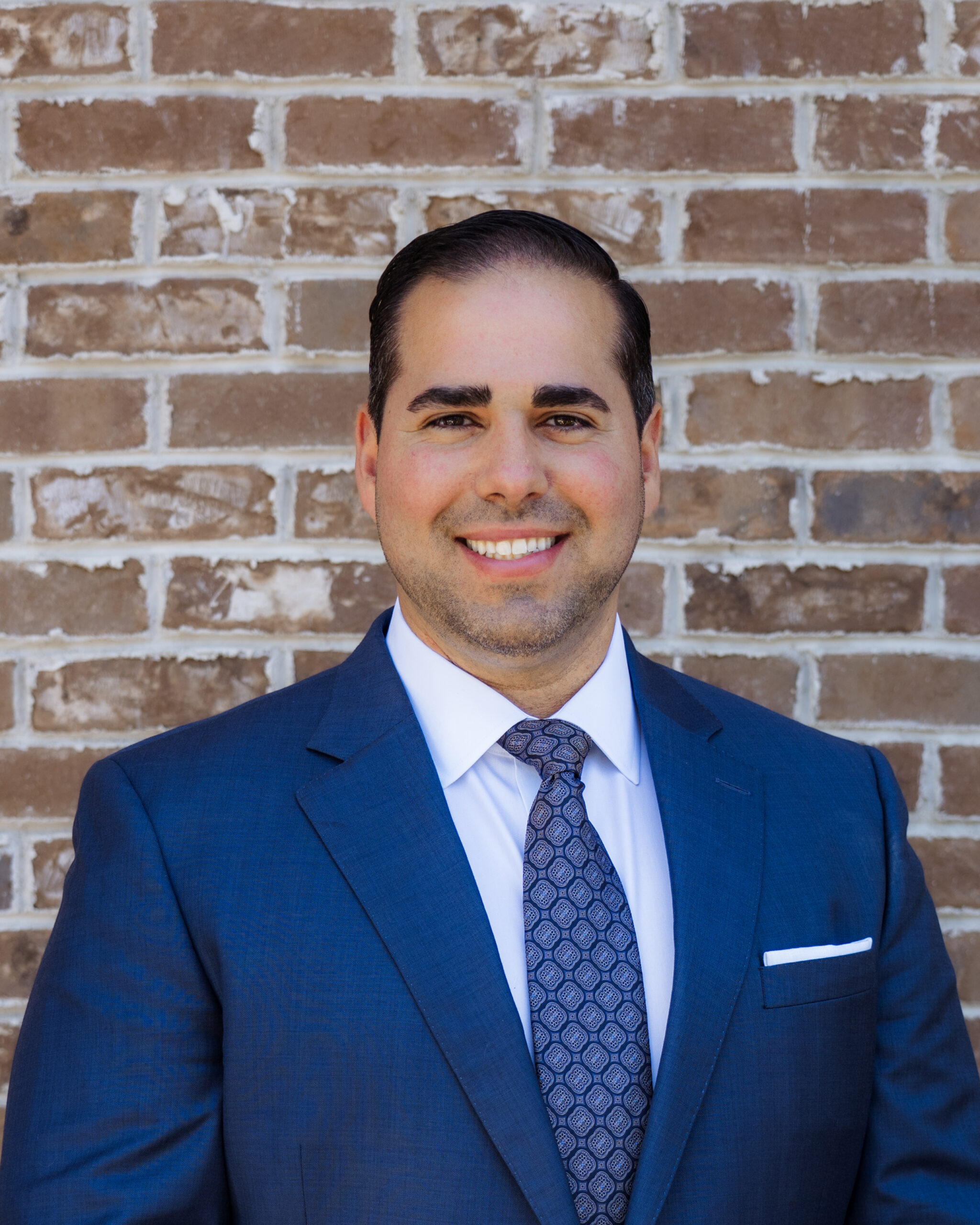
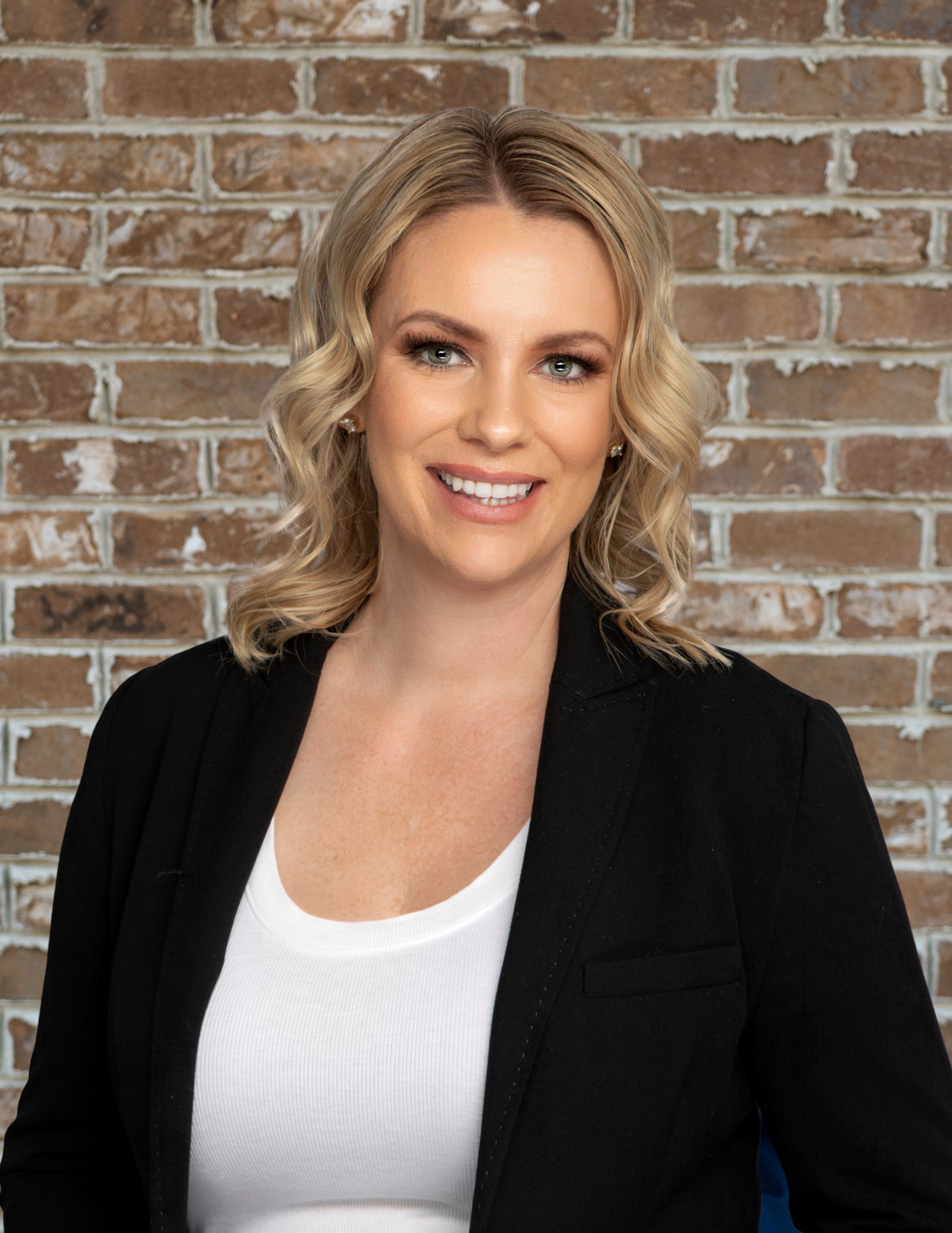
[00:00:00] Speaker A: Welcome to AllView360 all things real Estate Podcast. With your hosts, Daniel Gutierrez and Shannon Dempsey, we explore real estate from every angle, giving you insights, tools, and confidence to make smart decisions that support your future. It's time for a new perspective on property. Welcome to AllView360.
Good morning.
[00:00:21] Speaker B: Good morning.
[00:00:22] Speaker A: I'm excited for today. I'm most excited because we normally record during the night normal business hours of the week, which makes it a little high pressure. But today's a day that's not a normal business day. So I think we should do this more.
[00:00:36] Speaker B: Today is a day that we should not be working.
[00:00:38] Speaker A: Today's a day that we should not be working. But it's a calmer day to do this. Yeah, we're going to do something different. You have no prep on anything, and I'm going to fully interview you.
[00:00:48] Speaker B: Yeah, I have no idea what's going on or what you're going to ask.
[00:00:51] Speaker A: No. And I'm shocked that you didn't push more for knowing more.
[00:00:55] Speaker B: We'll see what happens. I could always edit it out.
[00:00:57] Speaker A: Nope, you cannot. Okay, so today I'm going to interview you just kind of across the board, as if I just met you last month or something.
[00:01:05] Speaker B: Okay.
[00:01:06] Speaker A: I'm going to pretend like I don't know you and I actually don't know the answer to some of these questions, so I think it'll be good.
[00:01:11] Speaker B: Will you call me out if you do know the answer and you feel it's different than what I said?
[00:01:15] Speaker A: Probably.
[00:01:16] Speaker B: Good.
[00:01:16] Speaker A: Yeah. Okay, so I'm going to title this from MBA to Real Estate CEO.
[00:01:21] Speaker B: Oh. Okay.
[00:01:22] Speaker A: You ready? I'm gonna ask you 15 questions.
[00:01:25] Speaker B: Let's do it.
[00:01:25] Speaker A: Should this be like a job interview
[00:01:27] Speaker B: or I'd probably fail.
[00:01:30] Speaker A: Yeah. Not hireable. Question 1 for people who know you by name but not your story. What's your background and what originally led you to real estate?
[00:01:40] Speaker B: Okay. So my first career was in healthcare, working in hospitals during hospital administration and then transitioned into medical device, particularly within the spine world, and then total joint replacements and then transitioned kind of more so back into facility and hospital management.
[00:02:06] Speaker A: What ages were you when you were doing this?
[00:02:08] Speaker B: So that was a wild one. I was. I started working at the hospital in Eugene, Oregon. Went to University of Undergrad. University of Oregon for undergrad and worked at Riverbend Peace Health Hospital right outside Eugene. Beautiful, like 1.2 million square foot hospital right on the river. Brand new. It was amazing.
Had a friend connection with the director of neurosurgery, so started interning in surgical services. It was like 28 operating rooms. Like, just really great experience, really great hospital. While you were still in school, While still in undergrad. Exactly. And then ended up going working in hospital administration shortly after graduating, and then from there went to medical devices. The one of the administrators at the hospital told me I was too young to work in a hospital and it was too boring, that I should go get a job as a rep and have more fun, make more money, and get to do cool things. I'm like, okay, that sounds cool.
[00:03:12] Speaker A: So, spokeswoman from that chapter of your career.
[00:03:16] Speaker B: Yeah. So left the hospital setting and well, before that, I guess I chatted with a bunch of different med device vendors, and they were all telling me the same thing. Cardiac and crdm, heart implants, pacemakers, defibrillators, things like that was one of the top options. And then spine was another top option. So I thought spine was more interesting than cardiovascular. So went and interviewed a bunch of different medical device companies in the spinal and got hired on by a company in Irvine as a clinical trainer and sales rep doing spinal implant hardware device sales.
So I'd be in the operating room like five, six days a week, like many, many hours a day, flying around the country. Even got an opportunity to go outside of the country, and it was awesome.
[00:04:11] Speaker A: Okay, so then when did you switch from that whole world to real estate and starting your own real estate company? Was it a jump to immediately start your own company or a transition? How did all of that play out?
[00:04:25] Speaker B: Yeah, so it was, I wouldn't say a jumper transition, really. It was kind of more an integration.
So I had a roommate right out of undergrad when I was, I think, 22, 23 years old, who was a little bit older than me, but was buying a lot of real estate. And this is, you know, relatively early in the recovery cycle after the Great Recession.
Yeah, he was probably three years older than me and owned quite a lot of real estate. So I'm like, hey, I could do this. And he was buying a lot in Las Vegas. So I think when I was 23 years old, I bought my first property in Las Vegas, and that's how I kind of started my real estate career. So it wasn't really a transition because for a long time thereafter, I was still in the medical space, but buying investment properties and just continuing to invest and grow that portfolio. You helped me buy.
What is it? You helped me buy my first townhome in Huntington beach when I was 24, I think it was.
[00:05:31] Speaker A: Yeah.
[00:05:32] Speaker B: And just kept growing and buying while still working in healthcare. And I didn't fully make the transition completely out of healthcare to starting what was at that time Optum now all of you, until right after I graduated UCLA in 2017 while sitting in class, one of my professors said once you have a large enough portfolio, you don't need a property manager. You have enough to enough property to have your own property manager and bring it in house. I'm like, oh, that sounds like a good idea. I had issues with my other property managers, so my property managers go brought property management in house and then kind of started creating the master plan for what is now All V real estate and started that formally in 2017, 2018.
But has I've been an investor, independent landlord and managing my own properties since, what is it, 2011?
[00:06:30] Speaker A: Yeah, I think, yeah, 2010. 2011, yeah.
[00:06:34] Speaker B: Graduated in 2010. So 2011 I think is when I started.
[00:06:37] Speaker A: Okay, so you without prep led into my next question is what your original vision in starting what was Optum now allview the same as what you see allview as today.
[00:06:48] Speaker B: The fundamentals are the same. The industry is very different than what I thought it would be. And mind you, the industry has evolved exponentially since then.
But I remember thinking that healthcare is so high stress 24. Seven, very litigious and just, you know, overall stressful. And I thought real estate was going to be slower and much more chill, a lot less litigious. And boy, was I wrong.
It's just as high stress. I think the stakes are lower. It's not really life and death as it is in surgery, especially spine surgery, brain surgery within that neurospace. But you know, you're still at the end of the day dealing with people's homes and livelihoods and people get could get very upset very quickly. And I don't think a few days goes by without someone in the company hearing that, I'm going to sue you, I'm going to do this, I'm going to do that.
Regardless of how small or large or insignificant things may be. It seems like it's our society's go to these days.
[00:07:55] Speaker A: Yeah. Constantly punched in the face with that. So this one is one of my favorite questions. I had to find a way to ask it nicely. You have your mba. How much of what you learned and your textbook knowledge from getting your MBA is actually relevant in practicing and running an actual business?
[00:08:12] Speaker B: So I love this question.
You know, I hear people all the time say like, oh, schooling's pointless.
Doesn't teach me anything. It didn't teach me anything. I have the opposite experience. I loved my mba. It was awesome, taught me so much. I had great professors at ucla, even my undergrad. I had some great professors at Oregon.
Uh, it taught me a lot. Now mind you, I think the, our current time is a bit different. Someone can learn all of this on their own and I guess they always could have. But access to information is easier than it's ever been in the past. But personally for me, my MBA taught me a lot things that I do on a day to day basis. But most importantly, it taught, it exposed me to a lot more things that I probably would have taken me a lot longer and a lot more expensive or painful to learn. Expensive is questionable because MBA is super expensive.
But I use it every day, laid an amazing foundation, really taught me better ways to think and do, and I think it was invaluable for me. It was an absolute positive return on my investment.
[00:09:15] Speaker A: Positive return there. So on that. What is one thing that your MBA taught you that genuinely helps you? And then what's something that it absolutely did not prepare you for?
[00:09:25] Speaker B: In our MBA program, a lot of it was teamwork and cohorts. And you have a team, generally teams full of type A, incredibly intelligent, successful people. And trying to, you know, work in those groups and sometimes lead those groups is very difficult. So having that opportunity to learn how to be a better leader and a better teammate I think was super invaluable.
Something I didn't teach is probably how to prepare for the litigious side of real estate that it absolutely didn't teach,
[00:10:01] Speaker A: it didn't go over. I'm sure there's lots of industries that it doesn't prepare you for.
[00:10:05] Speaker B: Yeah. And you're taught about, you know, you do the case studies of how people went wrong, how company, what they did right, so on and so forth. But until you're actually in it and living it, it's different than of course, being able to handle the stress as an entrepreneur is totally different than reading a textbook or even to what so many of our educational systems teach us is how to be an employee, but not how to be an entrepreneur. Entrepreneurship is not, not everyone is built to be an entrepreneur. And there's no real way to know or understand that until you try doing it yourself. Or some people I have heard say, like, yeah, I want no part of that. That's not what I want to do or how I'm built. And I don't know if any of my classes actually taught me that.
[00:10:50] Speaker A: Do you think someone can be a phenomenal business owner without any sort of formal education.
[00:10:57] Speaker B: Yeah, absolutely. I think it could be more difficult, especially in today's day and age in certain aspects. But also too, like I mentioned, there's so much information readily available online that our current society and the state of technology within the world, people can be more successful than ever without having any kind of formal education. And like I was chatting with some people last week how universities aren't teaching anything on AI, they're actually discouraging AI because a lot of the professors don't know it, they don't understand it. And college, high school and college kids are coming out of school thinking the AI is the devil without any understanding of how it works, when the reality of our world, professional society, yeah, our world is utilizing and rushing towards AI as fast as possible.
So, short answer.
Yes.
[00:11:54] Speaker A: Yes. Okay.
What do you think the biggest driver for growth with all of you is? Because you. That's one of our, in my opinion, biggest struggles is the growth keeps happening and keeping up with it. But why does that keep happening?
[00:12:09] Speaker B: So that's a good question. I was sitting at the Hub last week in Boulder, Colorado with Mike Delpretti and a group of just amazing real estate executives and entrepreneurs, and he was talking about the founder and CEO of a large real estate company here in the US and he was talking about how the DNA, DNA of the CEO is weaved in to the company's operations and what they do. So how the CEO acts and what the CEO does is ultimately and many times going to be how the company acts and what it does. For me, I think I heard Brendan say it a while back, you know, my foot's always on the gas pedal. I'm always wanting to go and prove and do better for better, for worse.
But my goal is to really set the company up to achieve our mission statement. It's improving lives through all things real estate. Now, if we could do that in a much larger scale, we're be much better positioned to help more people, improve more people's lives in all aspects of what we do. So I do want to continue growing and doing what we do, attracting people who think like I do, believe in what I'm trying to do, and ultimately having a team across the entire organization that is aligned with that and wanting to just go full speed, do awesome stuff, help as many people as we can, and really build something that we're proud of. But it's not for everybody. And I think we've realized that over the years. But for me, you know, I want to help as many people as possible. I want to really expand and grow our footprint and be able to leave positive and long lasting legacy and everyone we touch.
[00:13:49] Speaker A: Yeah, that's genuine. And I think your drive probably is the biggest factor.
But it is fast.
[00:13:56] Speaker B: Yeah, but, and I get that. But I think one of the difficulties is finding people who want to drive as fast as I do and are comfortable and like it.
[00:14:05] Speaker A: Yeah. Would you say that's been a challenge?
[00:14:07] Speaker B: It's always been a challenge.
[00:14:08] Speaker A: Yeah. Always.
[00:14:09] Speaker B: Always.
[00:14:10] Speaker A: Yeah. And always will be at the same time too.
[00:14:13] Speaker B: That's why I'm the CEO and entrepreneur. Some people don't want any part of that.
[00:14:17] Speaker A: No, that's very clear. Very quick, by the way.
[00:14:20] Speaker B: Yeah. And it's interesting because I go, I chat with other entrepreneurs, chat with other people in this industry and others and you know, a lot of people are quick to give advice or what to do, what not to do. And I've come to realize a lot of times when speaking with these people is we're playing a completely different game. What other people are trying to do and accomplish versus what I'm trying to do and accomplish. It's, you know, not even apples to oranges. Yeah, exactly.
[00:14:46] Speaker A: Did you have or you've probably had a couple. But is there a single moment that you can remember that was a turning point of like, holy, I'm actually doing it or my vision's coming alive?
[00:14:59] Speaker B: I don't know if I've had. I don't know if that's happened yet.
No, it hasn't happened yet. And that's, that's a different problem. But I think that's like every day. Yeah, that is every day I wake up and try to figure out how to make the vision come true. And I tend the goal post way before I ever get there.
But now every day I wake up, you know, needing to try to, you know, prove the, the strategy, the technique, the operations and just always do better. Which, as you've mentioned, is good in some aspects but also difficult in others.
[00:15:34] Speaker A: Difficult. No, but there hasn't been. I mean, you're not one that's good at celebrating the small victories or even the big victories. But there hasn't been a moment of a shift that you are proud of or, okay, we're going in a better direction now. Maybe moving into your new office or a big nothing.
[00:15:54] Speaker B: No, I mean, a little while ago when we signed a lease on the new office for Newport, I, I took a second, I thought back of like our first office in Newport beach or even before we had an office and Kind of acknowledging the growth that we've achieved.
But that was very short lived. That was a few visions, owning a building.
So yeah, that was short lived one afternoon and just gotta keep going.
[00:16:19] Speaker A: But if you have that moment, will you let me know?
[00:16:22] Speaker B: Yes.
[00:16:22] Speaker A: Okay.
[00:16:23] Speaker B: I think if I have the moment, it's probably because you forced me to do so.
[00:16:25] Speaker A: Yes. I'm gonna need to know this is a moment, a turning point moment that I'm proud of.
[00:16:30] Speaker B: Yeah. But let me so something there too is. I don't know if it's gonna be any accomplishments that I'll ever have that moment, but more so if I.
When we get to a point where I'm able to look back at a team and say like I'm so proud of the team that we've built, what we've accomplished and what we've been, who we've been able to help and support through this team. I think that will be a moment that I'm able to really reflect and appreciate.
It's not the moving offices or the building or this or that, the number of clients, sales. It's probably more so going to be looking back and saying, wow, we've helped all of these lives with all of these amazing people and I've been able to bring all of these amazing people up with the company as they help support the company. I think that would be more so something I'll be able to be really proud of and appreciate.
[00:17:19] Speaker A: I love that because I thought it would have been centered around one of your a hundred million KPIs or like reaching certain goals or all of that. But it's about the people.
[00:17:28] Speaker B: Yeah. And ultimately probably the hardest KPI. I don't really know if it's a KPI, but probably the hardest.
Yeah. You can't measure that. Right.
It's probably the hardest thing to do. But I think something I'd be most proud of because that would be directly correlated to my abilities as a leader to help support and grow our team in order to achieve our mission.
[00:17:51] Speaker A: Side note, I think that's probably one of the most misunderstood things about you within the company, that that is one of your big drivers. Are you offended by that?
[00:18:01] Speaker B: No. I mean, I know these things, but even you saying that, I think you could say that to someone and they're either gonna believe it or not. I just, I stopped trying to have people see it my way or believe what I'm saying. I'm just gonna keep doing what I'm doing and let my actions speak louder than my words.
[00:18:19] Speaker A: Okay. I like that. Okay, so systems, we have a bunch. We've had different softwares and systems that we used and stopped using and some that we currently use. What are your top three softwares or systems that you have implemented into the business that you're ride or die for?
[00:18:36] Speaker B: Oh, gosh, that's so difficult. Especially right now as AI is evolving so quickly. I feel like everything is getting turned upside down.
Okay, this is probably going to sound a bit ridiculous. RingCentral, our VoIP system, we went through, what, three or four different ones over the course of five years.
[00:18:54] Speaker A: Everyone's number one complaint was the that system.
[00:18:58] Speaker B: Phone systems. Yeah, we. We did Dial Pad, we did nextiva, and then one other one, like. And it's ridiculous, right? Like, phone. A phone system should work. Those others didn't ring central. It just works. It's not sexy. It's not like, are any of them.
Yeah, well, the whole thought of it, right, It's. It's just a phone system. It's not something that gets people super excited, but it's so fundamental to the operations of a business. RingCentral just works.
So it doesn't sound super exciting or sexy, but it's. It's such a relief when you know that your phone system actually works.
[00:19:38] Speaker A: That was when I first came on board and was talking to people and every. Everything tied back to whatever phone system you were using at that time, and I didn't understand how much it was impacting and frustrating people on a daily basis. And now. Yeah, now we hear nothing.
[00:19:53] Speaker B: Yeah, no.
[00:19:54] Speaker A: RingCentral for the win. Okay, that's one.
[00:19:56] Speaker B: A second one on the property management side, Appfolio, they're not my favorite vendor by any means, but without their platform, managing as many properties as we do, as many work orders, as many turnovers, as many rents collected, would be impossible without Appfolio. Now, there are a few competitors, so not to say that they're the only ones, but that is the company we're currently using. Without them or someone similar, our property management operations would not survive at the scale that we're currently at.
[00:20:31] Speaker A: Yeah, everything starts there.
[00:20:33] Speaker B: Yeah.
[00:20:34] Speaker A: Third software system process.
[00:20:38] Speaker B: Oh, I would have to say EOS entrepreneur's operating system.
Without that, we would not be, I think, nearly as organized as we are now. Our meetings would not be nearly as efficient and we would not have the clarity and the structure that we do.
It's been able to, I think, really transform the organization, help us understand who we are, what we're doing and how to get there. And then one of the best things about it is the right people, right seats of the core values, owning them and having the people who get it, want it, and have the capacity to do it. And it's sounds super simple, but it's something that's so, so difficult.
[00:21:17] Speaker A: Yeah. I think eos and you brought it on kind of, I would assume to be more of structure for the leadership team, develop a process for us to be able to communicate, really attack issues. But what I've noticed it's done is given everyone in the company a voice in a really productive way. Just with. As it trickles down. It's not just leadership, it's throughout the whole company, which has been great. Yeah.
[00:21:40] Speaker B: That's the goal. And ultimately is getting people who aren't necessarily on leadership team now giving that voice, giving them the opportunity and allowing them to get into a leadership position and supporting them on their way there.
[00:21:50] Speaker A: Yes. Okay, number 10. What has been the most surprising realization about owning a real estate company on the brokerage side?
[00:22:00] Speaker B: The personalities. I think on the broker side, I mean, the equivalent to my previous career would be like, the brokers are like the doctors or the surgeons, a lot of big personalities.
They want it their way.
It's, you know, their business, their clients, their patients. And it takes a lot of time and effort to. To keep everyone happy, supported and moving in the same direction.
[00:22:27] Speaker A: Yeah. That's the beauty of it, though. There's someone.
[00:22:29] Speaker B: You love it. It stresses me out.
[00:22:31] Speaker A: I love it. I'm like, yeah, sometimes the personalities are clashing, but every time that's happening, someone's learning something outside of their scope. I think there's beauty in all of that. But, yeah, it is highly emotional.
[00:22:44] Speaker B: Yeah.
Oh, and then a big realization I had when coming into the industry is I thought everyone was gonna want some super high level of sophisticated asset management, property management, investment consulting. And I came to find out, I think it took me a while. Is that's not what people want on the property management side. They want peace of mind.
They want to know that their property is being taken care of, their tenants are being taken care of, and that they don't have to worry about things. It's not about maximizing revenue unless you're going more like our institutional clients. But it's not about really maximizing revenue, you know, maximizing rents, things like that. It's. Is the property being taken care of? Are the client or the tenants being taken care of? And do I not have to worry about this?
[00:23:32] Speaker A: Yeah.
[00:23:32] Speaker B: And that's the majority of real estate investors. And on the brokers, brokerage Side it's a very emotional business.
They want that trust with their agent or broker. They want that relationship that's very local and very trust based. And I think regard because of that, regardless of all the ibuyers or these new real estate platforms or everything else, it's always gone back to the local agent, the expert agent with those relationships. And I don't think people talk about that enough with how important that is and how much that really dominates the real estate sales market.
[00:24:16] Speaker A: Yeah, I had an experience yesterday that it finally clicked. My counterpart that helps with clients, we handle them together.
We were at an open house together and someone that is planning on listing their home with us came in and was talking to us and she brought up like some personal things and he.
Normally I'm someone that jumps right into that. He jumped right into it in a very supportive, you know, this is so great you're working on this. Here's some things you should do and going on and on. And she's like oh my God. You know, and it was great. It was not real estate related but it was exactly what that client needed in that moment. And I hadn't really seen that side of him one on one with someone like that. And then she said like, oh, like I'll send you, you send me your bill for therapy. And she's like how are you so good at this? And he's like well, I have a master's in psychology.
And I never really thought about. He does have a master's in psychology. And it just so much clicked in that moment. I'm like this is such a skill that you are going to use when dealing with clients that I would have never connected the dots until that moment of witnessing him just fully be a psychologist in that moment.
[00:25:26] Speaker B: And you're really good at that stuff.
[00:25:28] Speaker A: I do not have any psychology.
[00:25:31] Speaker B: It takes a lot of energy for me to go there with people.
I think my wife tell you about that, but I'm much more like pragmatic and mathematical and how I approach things.
So there. That's why there is an agent for everyone.
And being able to cater to your clients is such an important factor of all of this.
[00:25:55] Speaker A: Yeah. Okay, next question. What's been the most frustrating part about building in this industry?
[00:26:00] Speaker B: Well, two things. I think the personalities.
Because it's hard to build and scale when you're having to customize everything to different personalities.
It's really difficult.
The old saying like the golden rule is treat people how you want to be treated.
Which is like pretty old school now. It's now the platinum rule. Treat people how they want to be treated.
[00:26:23] Speaker A: Yeah. Because what if you don't care how people treat you?
[00:26:26] Speaker B: Yeah. Well, ultimately it's treat people how they want to be treated, how they want to be heard. Listen. Understood. It's super, super difficult to do that at scale. And there's some people that I see do it that are just. They make it look so effortless. They're so good at it, and I'm so jealous of them. That is not me. I have to work super, super hard to do that. And I'm juggling a million other things. Stressful, you know, a lot of going on. It's. It's really hard to step away from those items, to be that, you know, that human connection that our team members need for me to treat them how they want to be treated now, how I would want to be treated, and especially for me, because I'm, like, fairly different than the average population and how I want people to treat me.
Having to change that on a daily basis is difficult, but I think really, really important.
And then the second component would be, I think, just how litigious the industry is.
If anyone feels like they've been wronged or even if they haven't, I think so many people just go to, I'm going to sue you. I'm going to call my attorney. And then there's so many attorneys these days that they'll take on a case that doesn't have any merit just because they know that they may be able to get a few dollars or that they know that if a letter gets sent from an attorney's office, that it may have more clout or push than just a tenant ultimately, or even a buyer, seller. Ultimately, we always want to do the right thing. But there is a lease agreement. There's rules in place. And, you know, we abide by those rules. We expect others to do the same. We want to do the right thing. And just because someone doesn't agree with us doesn't mean that things need to get litigious or legal. I think it's. It's the wrong approach to so many different things in life, you know, and
[00:28:18] Speaker A: that what I've noticed is because it is crazy how litigious all of this is, is it's not necessarily when people feel wronged, oftentimes it is, but sometimes it's just. Just people that know that they can stick it to you through that avenue. So it's. If they're angry and they made a bad decision or whatever it might be, they can channel their anger by coming after you in a litigious way.
When I did a deep dive on you last week. You don't lose your cases, but they still happen.
[00:28:50] Speaker B: Yeah, no, we don't. We don't try to be litigious with anyone. But we will enforce rules and enforce contracts and we try to make things right. But ultimately, if we, if we are in the right, we'll defend our position and we're not just going to fold or flop.
I was at a seminar earlier this year and they were talking about how many lawsuits are filed in the United States versus other countries.
And then it was like 80% of lawsuits are filed within the real estate sector. And of those 80%, it was some. Like 95% of those were property management. Like landlord tenant related lawsuits. Like, just so. So wild.
[00:29:30] Speaker A: So wild. Yeah. Okay. What was a mistake you made early on, looking back, you would absolutely do
[00:29:38] Speaker B: different early on is saying yes to everything and everyone. And it's easy to say now, you know, hindsight's 2020 of being able to say no.
But saying yes to everyone and everything really inhibits you from doing what you want to do with who you want to do it. So taking wrong clients, regardless of, I think, your industry, but in property management, taking on those bad clients who end up being a high liability to you, they, you know, make up 1% of your revenue and take up 80% of your time. They're the ones that get you in trouble. The brokerage clients, the ones that you're trying to help buy or sell, who take 90% of your time and end up 0% of your revenue. Yeah, High liabilities.
The people who don't align with your values.
We've always said from day one, we're not slumlords. We don't work with slum lords.
And now we're like 100 committed to all that. But in the past, we always wanted to give people the benefit of the doubt. And like, well, maybe, you know, we can make them improve. We could show them the light they need to.
They'll see that they need to improve their ways. Like, it doesn't work that way.
[00:30:45] Speaker A: People change, but you can't change people.
[00:30:47] Speaker B: Yeah. So I think our number one mistake earlier on is saying yes to everything and everyone.
Steve Jobs would always say, like, one of the most important things in business is what you say no to. Or even like. Elon Musk recently said, most engineers optimize for things that shouldn't even exist.
And I am someone who I think is bad at saying no. I'm getting better at it. It's a struggle every day, but really realizing where the focus is, what the strategy is, and putting all of our efforts on that versus just saying yes to everything and everyone is probably one of my biggest regrets earlier on in my entrepreneurial journey.
[00:31:29] Speaker A: Do you know that my word for 2026 is no?
When I said it with my coach, that was it's no. I actually just asked an artist last week if she could do something for me with the word no in it. Because I want to hang it right in front of me here just to remind myself no is a better answer than all the times I say yes.
[00:31:49] Speaker B: I love it.
[00:31:49] Speaker A: Yeah, that's a good one. Okay, two more. You're doing great. Thanks for not being prepared.
[00:31:55] Speaker B: So are you.
[00:31:56] Speaker A: Thanks. I'm prepared.
How do you make hard decisions?
Ooh, this is a good one. Especially when people, money, or relationships are involved.
[00:32:04] Speaker B: Ooh, okay, so those are all totally different. And I'll be completely honest with you.
Hard decisions when. When money is involved isn't hard for me. Money is a tool and I'm in the mindset of abundance and not scarcity. So there's always money to be made and money to be had. I'm not looking at the dollars and pennies in regards to the decisions I make, and I do in regards to like, optim maximization, things like that, I'm very detail oriented when it comes to that.
But in regards to investments, trying new things, looking at opportunities, taking risks, for me, it's all a calculated risk. There's a great book called Thinking in Bets that helps you really rationalize that decision making process.
I've read countless books, courses, podcasts, whatever in regards to understanding the human psyche, how our brain works, the way it works. And I think I've become fairly good at making decisions relative to that. And they're not, they're not difficult for me at all. Also too, I have a high level of self confidence, which goes both ways. I try to stop short of hubris, but hubris has definitely gotten the best of me in the past. I'm thinking like, oh, it's me, I'll make this work or I'll figure it out where others can't. No, that's bit me in the butt, it's cost me lots of money, but at the end of the day, I took it away as a learning lesson.
When it comes to people, that's a whole different beast. Doing difficult things with people I really like, that is something that's still difficult and hard for me. If, for instance, I have a colleague who I just really genuinely like, appreciate they're a good person, and let's say, for instance, they're not doing what they need to or should be, or just not.
Not the level that the company or the team needs.
Doing those hard things is difficult.
And then likewise in relationships, I try to punt the hard issues with people that I really care for, and I don't know if there's any easier way to go about it. But knowing that honesty is the best approach and the best method and just trying to openly communicate and have that dialogue, I think is better in the long term than trying to hide it or put it off. There's a theory called attachment styles. Everyone has a different one and there's basically four. It's secure, anxious, avoidant, avoidant dismissive, and avoidant fearful.
I am avoidant dissubmissive in my attachment style. So for me, if there's like a hard issue within, like a close relationship, I just more so try to avoid it. Like it's fine if I don't think about it or look at it.
[00:34:57] Speaker A: Do you think that? I think you hit hard issues, yeah,
[00:35:00] Speaker B: over the recent years, but prior to that it was different because that was something I'm working on now and just being completely open. So those are things I'm working on. But in the past, and like a personal relationship, if there was a heart issue, I'd just generally try to avoid it. Not in business, business is a little bit different.
But now really trying to work on it and saying, hey, you know, there's an issue, let's talk about it and just be open, listen and use better techniques in communicating to really try to understand the other side and be empathetic, sympathetic, and try to come to a more positive outcome.
[00:35:38] Speaker A: Okay, final question. If you were starting from zero today, but in this current market, with all of the experience you have, what would you do differently?
[00:35:48] Speaker B: Oh, my gosh. So I've actually thought about this a few times. I think I'd be able to get from zero to where I'm at now in a fraction of the time.
[00:35:57] Speaker A: Oh.
[00:35:58] Speaker B: Because I've already gone through all of those learning lessons, those hard lessons, and have just so much more knowledge and experience in place to blow pass through so much of the learning and growing pains we've had in the past. The technologies, the systems, the people, the processes, the know how.
I think it would take me a fraction of the time to get from zero to where we are now versus the time it took for me to start then Optum to get to where we are now, How I would do things differently, I think first I would not go through all of those growing pains and learning lessons. So just blow right past them and knowing and understanding. And this is a difficult one, because as you start a company, if you don't have investors, you only have the capital you have. And I bootstrapped everything we've ever done, so never taken outside capital, never taken loans or investors. So everything we've done, we've done with, you know, my capital and the company, the money the company generates and we're able to reinvest. But paying for good systems and paying for good people is the number one way to do things more quickly, better, without all the pain. And sometimes you have to overpay. Sometimes you have to pay more than you have. And that's, you know, easier said than done because ultimately, like, finances are what they are, and if you don't have money to pay people, it makes for a bad business decision. But I think I would pay more earlier on for better people in order to blow past a lot of the painful learning lessons and growing pains that we did when starting the company, getting to where we are now.
[00:37:41] Speaker A: Okay, that was all 15 questions, but I have a bonus one.
[00:37:44] Speaker B: Okay.
[00:37:44] Speaker A: Can you admit one time that you were absolutely wrong?
[00:37:50] Speaker B: It was 1942. Yeah, I mean, there's. There's lots of times. So when I'm wrong.
[00:37:54] Speaker A: Yeah, you're wrong all the time. But is there one that you're like, you were dying on that hill and then realized you were wrong?
[00:38:02] Speaker B: So I try not to die on hills. I don't know if, like, I ever. I don't know if I ever fully, like, put a stake in the ground and say, this is the hell I'm gonna die on.
[00:38:10] Speaker A: I have one right now. You were dying on the Nextiva hill. And now Ring Central is one of your.
[00:38:15] Speaker B: I wasn't dying on nextiva Hill. Yeah, I don't think so.
[00:38:18] Speaker A: You don't think so?
[00:38:19] Speaker B: No.
Dial pad was much worse than nextiva. Nextiva was also bad, wasn't it? Nextiva would work until it just stopped working. And then like, yeah, 24 hours later, like, oh, no, it's working again. No problem. It's like, no, it's a problem.
[00:38:32] Speaker A: It's a problem. So you don't have, like, one.
Like, I really thought this was going to work. Or I really.
And then you were completely wrong.
[00:38:40] Speaker B: I mean, when we brought recruiting in house, I'm like, this is going to be amazing. This is a good one. Going to solve all of our problems. But I don't think I ever, you know, put a stake in the ground and made this the hill I was going to die on. I think we quickly realized that it wasn't working.
Other vendors in the past, when we brought on our first HR recruitment partner, I was super excited and thought that was going to change everything and very quickly realized it wasn't. But we learned and we pivoted quickly.
Going back to earlier years.
I think at the beginning, back to. One of my other points is sticking with clients who I thought would change and be better and who never did. And until it was. Until it was too late. I think that was maybe one of them. I don't know. You tell me. What's something besides nextiva that I don't know?
[00:39:29] Speaker A: I just thought. I just remember nextiva thinking that was a hill you were dying on.
[00:39:33] Speaker B: No, voip is a hill I would die on. Because I think a lot of team members are like, well, I just want to use my cell phone. I want to do this, I want to do that. That's still a hill I'll die on.
[00:39:43] Speaker A: Maybe that was what was behind it. Yeah, the requirement.
[00:39:47] Speaker B: Yeah.
[00:39:48] Speaker A: Gosh.
[00:39:48] Speaker B: Well, but times. A lot of times people don't see and I need to be better at it, but they don't see the strategy or the need behind what I'm saying and doing. They just see it as a hindrance to what they're trying to do or making something more difficult than they want to.
Than they want to deal with. And I need to do a better job of showing and explaining how it's actually going to make things easier for them. But a lot of times that comes along with having the right people, because there are people who, no matter how easy and supportive you try to be there just going to go against you, no matter what.
[00:40:20] Speaker A: With that. With the calling system, they learned the hard way when they tried to go on vacation or have days off and
[00:40:25] Speaker B: they never getting blown up.
[00:40:27] Speaker A: They were getting blown up and there was no one that could handle their calls or their clients because they weren't using the system.
They learned that way. They were wrong.
Okay, Is there anything else or any main points you want to bring up? I think that this demonstrated a different side of you from what a lot of people see.
[00:40:45] Speaker B: Yeah, all of our fans will get to know me better.
[00:40:47] Speaker A: My mom.
[00:40:49] Speaker B: So you've known me for a long time. You've been from the outside looking in before you joined the team, and now from the inside looking all around.
What have you seen in relation to some of these questions?
[00:41:04] Speaker A: Oh, you answered a lot of them how I would have guessed you would have answered them. I don't know. I think pretty much on the same page with a lot of what you're saying.
[00:41:12] Speaker B: Another thing too, and I really want to emphasize this, but I chat with a lot of people, especially younger people that ask me about entrepreneurship and what they should do and how they should do it, you know, without being pessimistic, like, entrepreneurship is not for everyone.
I was listening to a podcast the other day and the entrepreneur was, I forgot his name, but he's the guy that owns a Timberwolves the basketball team. He was saying the entrepreneurship is like eating glass.
And I was listening to him chat and I'm like, yeah, you know, it kind of is. It's, it's hard every single day for me. I love it. I love the challenge. It aligns with my values and my mission in life. But it's certainly not for everyone and there's multiple components of it. But I really love the opportunity to really achieve my mission and help build and grow people. And I think ultimately and hopefully succeeding in entrepreneurship allows me to expand what I'm able to do and who I'm able to impact. I know you and I have spoken over the years in regards to like helping kids with dyslexia and being able to more so impact that. And I've had opportunities, but not the right ones. More so from like a financial donor perspective.
But I want to have more free time to be able to go and like help at schools and help kids and show them like, hey, you know, you can make it out. You don't have to, you know, do what the system tells you because you are built different than the average student or just really being a positive influence to the younger generations and how to be successful in their own right outside of what, what box the school system puts you in.
[00:43:00] Speaker A: I like that. I want everyone to listen to this because I want people to hear this side of you because I don't think that really shines through in the day to day within the company. So I'm going to make everyone listen to it. I'm going to die on that hill.
[00:43:12] Speaker B: Good. I'm going to do one of these for you and I'm not going to tell you when. I'm just going to pop it on you.
[00:43:18] Speaker A: By the way. That's how a lot of conversations and in general go with you. You'll just start throwing hard hitting questions out of the blue.
[00:43:24] Speaker B: Well, it's Because I've been thinking about them.
[00:43:26] Speaker A: Oh.
[00:43:27] Speaker B: So I started while on my drive from Austin to Waco, I finished 100 ways to keep a client Happy. And that was fabulous. Some good nuggets there. But on the way back, Texas drivers drive so fast. Oh, but driving from Waco.
No, they're flying past me. Like, I was like, how are these people driving so fast?
Driving from Waco, Texas, to, like, the new Bronxville area was like three hours and 15 minutes. I started listening to the new Mel Robbins book. Yeah.
That you recommended. I love. I loved it. It's so great.
[00:44:05] Speaker A: What's her new one? It's not Let them, right?
[00:44:07] Speaker B: No, that was way back when.
[00:44:09] Speaker A: Yeah.
[00:44:09] Speaker B: The new one. I will tell you, Strong ground.
[00:44:13] Speaker A: Oh, I have not read that. That I didn't.
[00:44:15] Speaker B: Yeah. So I started it. I'm almost done.
But absolutely wonderful. And a lot of it is dichotomy, all based around dichotomy. And, like, so much of what she says is right. Like, the way she thinks is so different, but just so real and. And raw. So a lot to think about right now.
[00:44:35] Speaker A: Lot. When is there ever not a lot to think about?
[00:44:38] Speaker B: I wish it'd be more often.
[00:44:40] Speaker A: I know. Huh.
Okay. I hope people liked this episode. Getting to know a little bit of a different side of you and your personal journey. I hope people like and subscribe and do all of the things. And I think next we're gonna hit new laws. New laws, New laws. So tune in.
[00:44:56] Speaker B: And they never end.
[00:44:57] Speaker A: They never end. Yeah. That's why you can sue all the time for everything.
Bye. Bye.
That's a wrap on this episode of AllView360, all things real estate. If you found this helpful, don't forget to subscribe. Subscribe, Leave a review and share it with someone navigating their own real estate journey. Connect with us anytime on Instagram @AllView360 and on LinkedIn @AllView Real Estate. Until next time, stay curious and keep your perspective. 360.