Episode Transcript
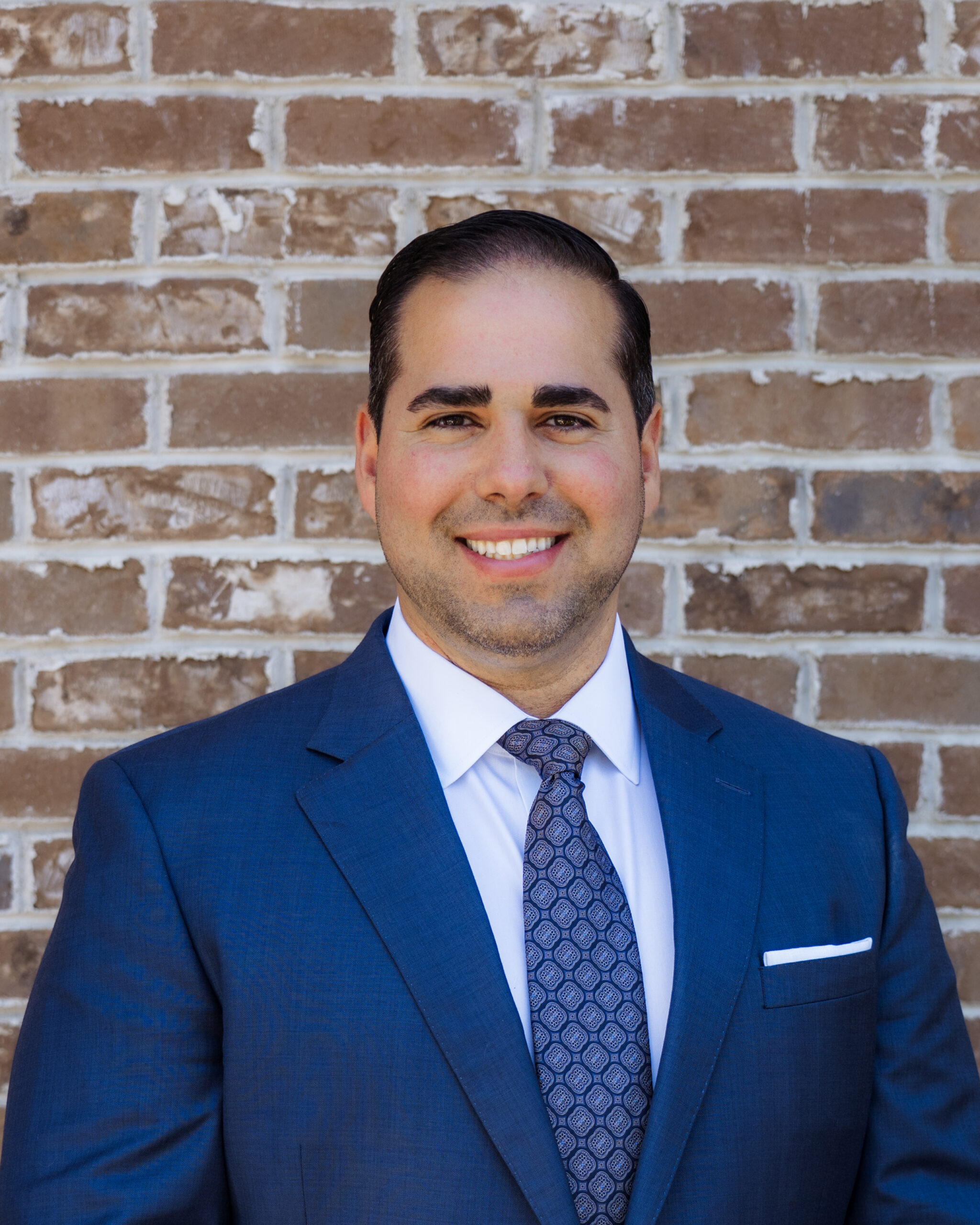
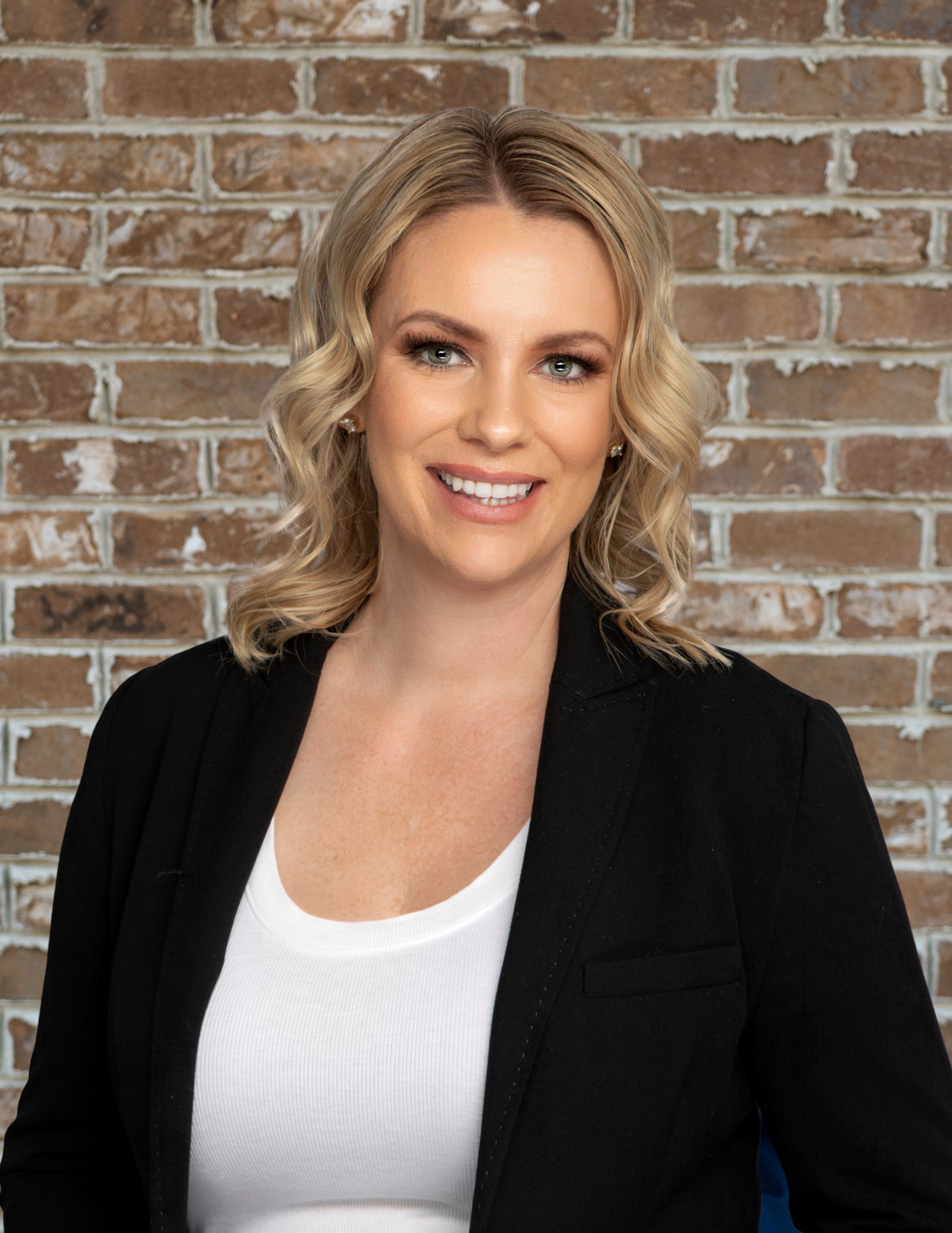
[00:00:00] Speaker A: Welcome to AllView360 all things real Estate Podcast. With your hosts, Daniel Gutierrez and Shannon Dempsey, we explore real estate from every angle, giving you insights, tools, and confidence to make smart decisions that support your future. It's time for a new perspective on Property. Welcome to AllView360.
Hi, Daniel.
[00:00:20] Speaker B: Hi, Shannon.
[00:00:21] Speaker A: Are we going to talk about your favorite topic today?
[00:00:23] Speaker B: Food?
[00:00:24] Speaker A: No, we're talking about goals and business planning and strategy for the upcoming year.
And we just came off of a business planning strategy session with our agents. That was incredible. I'm nervous you're not going to be able to keep talking because that was awesome. But what was that? An hour and a half of the start of the business planning for 2026?
[00:00:44] Speaker B: Yeah, absolutely.
[00:00:46] Speaker A: So it's. It's kind of a collection of over the years, through different coaches and processes and systems and business planning and goal setting on our own. A collection of all of the things that worked and the importance of different things. So let's talk about it.
[00:01:00] Speaker B: Yeah, let's talk about it. I think in regards to what you just said, I think all of the years of previous business planning, coaches and all of that, at least for me, has been kind of thrown out the window. And I know it has, though. It's been thrown out the window when I realized, like, it really wasn't working. And we're used to setting goals for the following year and then just kind of hoping for the best and seeing what happens then of the year. And then we open our. Our notes. We're like, what were our goals? How did we, like, how many did we actually accomplish? And, and you know, it's not a good way of doing it. It wasn't good, didn't work, hasn't worked. It doesn't work.
So I personally, you know, changed everything. And.
[00:01:36] Speaker A: Yeah. Cause it's like the annual planning and then you don't look at it. I mean, at least for me personally, in the habit of towards the end of the year, like, oh, how close did I get to my goals?
[00:01:46] Speaker B: Exactly? And that's expectation. How close did I get? Or it was, what were they? And then how close did I get? Business planning for a corporation, for instance, like for all of you, we have our goals and objectives and we track them on a weekly, quarterly basis. By no means was it as effective or efficient as it could have been. And we've taken a lot of steps personally and professionally over the last 12 months to really rebuild how we do it, how we think about it. And I think it's produced some really Great results for the organization and for us personally. And I think we're using that to help our agents and everyone on our team.
[00:02:24] Speaker A: So let's start with why you feel business planning matters. Why is it important? I know it's kind of basic, but.
[00:02:30] Speaker B: Yeah, what is it? The saying is, if you don't know where you're going, you may never get there.
So I have a lot of goals. I'm very ambitious person. I have a lot of goals for myself, my family, my life, my company, the team. And I love those around me, having those goals as well, and being able to help them, support them, accomplish and reach those goals.
So with that, we've all kind of been trained to, you know, have a mini New Year's resolution, right? We. We figure out what we want to do, what we want to change, and then we hope that it somehow magically happens. And more often than not, it doesn't. Right?
[00:03:06] Speaker A: It doesn't.
[00:03:07] Speaker B: Yeah, it doesn't. So taking a step back and taking a very holistic approach of what this actually means, how it actually works, and diving in a very different way than I was ever taught, ever knew was possible or really even was ever comfortable with. But now it's been a game changer.
How I live my life, how I show up for work, how I show up as a professional, how I show up as a father and a husband. And it's been.
[00:03:34] Speaker C: It's been great.
[00:03:35] Speaker A: It's important because it's the actual plan to get to the goals. Right? You have your goals. Those are wonderful. That is just the beginning of the actual business planning for the year. What it looks like beyond that, which we kind of covered in the EOS podcast. But if you don't have the plan to reach the goal, you can't build on it and you can't strategically execute.
[00:03:55] Speaker B: Beyond that, it's. Does your plan align with who you are?
Does your plan align with your why? Your core values?
And starting from there and then from there, building out that plan, and does it align? Is there a clear pathway for success? Is the. Is the plan? Is the initiative? Is the goal really one that's going to fulfill you? Really one that's going to serve you and those around you? And is it going to help you in what your goal is in life?
[00:04:26] Speaker A: And I think from this last session we just had with the agents, one of the big things that kind of was like, whoa, to me was the conflicting whys and understanding your why. You can have multiple whys, but then you have to dive deeper on each one and Then figure out where they're conflicting, which is most of them, honestly.
[00:04:44] Speaker C: Yeah.
[00:04:45] Speaker B: But like as I mentioned in our last training, I don't think a lot of people know that or acknowledge it.
And inherently conflicting why is cause a lot of friction. And unless you know it and understand it, that blind spot causes a lot of pain in people's lives, whether it's physical, mental, emotional, or just pain in the sense that they can't. They don't feel like they're doing what they want to because the their whys and their goals are conflicting with each other.
[00:05:12] Speaker A: Yeah. And if you have two true or multiple true, true whys, and then you don't pay attention to where they conflict and you make your plan, you're really only working towards one of them, and if you have to compromise the other one.
[00:05:24] Speaker B: So in the interest of kind of elaborating a little bit more. So the conflicting why is like, for instance, we were talking in our, in our agent training, as I was mentioning, and, you know, someone's why could be personal time and freedom, complete autonomy to do what they want, when they want, and be who they are, while their other why could be professional achievement, moving up in their company, starting their own company, being highly professionally successful. Or oftentimes those whys conflict because it is very difficult to own your schedule, own your life, own your time, while also being highly career motivated. Not to say it's impossible. And ultimately that is the goal, but it's a very difficult one to achieve. So, for instance, in real estate, especially for agents and transactions, if you're highly successful and you have a lot of clients, a lot of transactions, a lot of escrows, your day, your work, your calendar revolves around negotiations, inspections, showings, and things that other people dictate. You can try to say, hey, I'm only going to do showings during these times, but if that doesn't work for your client at that point, then you need to change your calendar to help them or to accomplish what they're wanting to do. You need to change your calendar to accommodate their calendar, which is going to ultimately help you with your why of being successful, successful as a professional real.
[00:06:51] Speaker C: Estate agent, but completely conflict with your.
[00:06:53] Speaker B: Why of personal freedom, professional freedom. So those two things can happen. They often do happen. And most people don't talk about it.
[00:07:02] Speaker A: I know I always say, yes, in real estate, you have a flexible schedule, but that doesn't mean the same thing as what you think it means. It means you're flexible to everyone else's schedule is kind of what needs to happen there. For me. My, I had to do a deep dive on what my why is for this year, right? Like I have my big why in the next 10 years and things like that. But for me, the true, true why is how can I spend more time, quality time, present time with my five year old. Cause she's in those crucial years where I don't want to miss a minute. And that conflicted with my net income goals, right? So it's kind of this compromise of I'm going to have to, to get the support that I want to free up that time in this chapter of my life.
I have to structure it. That's most likely gonna take a hit on my net income.
But what I'm gonna do is add more support roles, right? So that why overpowered the other one. And then my long term plan, you know, it'll all kind of work out, but I just kind of work out, I hope. But it's the true yy, the number one why. And then adjusting the other ones to facilitate that in my need for my personal life right now.
[00:08:12] Speaker B: And going back to that conversation that you and I had, knowing your why, and I was so uncomfortable in that conversation.
[00:08:17] Speaker C: You are so uncomfortable.
[00:08:18] Speaker B: I can still see a bit of uncomfortableness now.
[00:08:20] Speaker A: Shot the intensity at me out of nowhere. Oh God.
[00:08:23] Speaker B: But knowing that, right, like your why is amazing. Being there for your daughter, but why should your income have to suffer because of that? So the point that I made with you is, you know, your why is to be there with your daughter. And if you want an income goal, you're going to have to do less work to make the same amount of money. And you have the potential to do that. It's just building out that plan to actually get there is where most people stop.
And going back to the quote that I've said probably a million times in the last few weeks, we are kept from our goal not by obstacles, but by a clear path to a lesser goal. And I'll say it again, we are kept from our goal not by obstacles, but by a clear path to a lesser goal. So most people is, hey, I want to spend more time with my daughter.
I have this income goal, but I want to spend more time with my daughter. So I'm just going to take less income so I can spend more time as opposed to how can I make just as much income while working less and then solving for that problem, solving for that goal.
[00:09:22] Speaker A: You lit a fire with that question in me because for the last two weeks I've been figuring out how to.
[00:09:27] Speaker B: Make that happen and no one says it. And just being honest, I didn't come up with this. I've been a fan and a student of Dr. Benjamin Hardy for quite a long time. Had the opportunity and privilege to meet him in person. I've read all of his books and now I actually have an opportunity to work with him as my business coach. And this is his philosophy, this is his teaching, and it's been a game changer. The most recent book he came out with is Science of Scaling. A book that changed my life was 10x is easier than 2x. And you read it and I've referred it to a lot of people and everyone says the same thing. One of the best books they've ever read. But it's still very hard to implement. You have to be really intentional about it. You have to live it, you have to really commit. And it takes more than just reading one book at this point. I think I've read all of them. The all of you book for the book club this month is Be youe Future Self Now.
Wonderful book, Also highly impactful.
But when you combine all of that together, you get these kinds of results that most people don't achieve or a philosophy that most people don't understand. But one of the things I've found fascinating and also too makes a lot of sense as I research more of the highly successful people in the world. You know, the Elon Musks, the Jeff Bezos, Michael Dell, like all of those, they've all done this. They all do it, they just don't talk about it. But this is how they all live their lives and they've all accomplished just absolutely amazing things. And mind you, the people I've mentioned are highly successful business professionals. That is their why. It's not necessarily your why or anyone else's why, but that is their why. And they've accomplished it. We need to be honest with ourselves, figure out our own why, and then from there find the best way to reach that why, to accomplish that why. In alignment with our goals and the clear objective to accomplishing those that clear pathway.
[00:11:23] Speaker A: A clear pathway. And one of the words that have come out of your mouth these last few weeks as we're kind of wrapping up 2025. And you seem to be triggered by.
[00:11:34] Speaker B: A lot of things.
[00:11:35] Speaker A: Triggered by a lot of things. No, but specifically, for some reason, these past few weeks, the idea of the path past. Oh, yeah, like you I. In many different scenarios, I've heard you. It's all about. You're focusing on the Past. You're building from the past. What are you? What's triggered that? What shifted in your thought process to not be focusing on the past to build the path forward.
[00:11:54] Speaker B: Yeah, exactly. So also from Dr. Benjamin Hardy. The past doesn't dictate our future. It's. It's a point in time for us to learn from and to grow from. But what we've done in our past, what's happened in our past does not dictate our future. If you allow it to, it's a ball and chain. And you're never going to be able to get away from it. Use it to learn from, use it to build upon. But our past is irrelevant to our future. With our last conversation with the agents, one of the agents said, well, in the past, I haven't been able to do this. So I figured this was like the next logical step, which is what I've done.
[00:12:27] Speaker A: Every year I look back at what were my goals, how close did I get, which ones did I hit, and then I use that as the framework to build out the next year.
[00:12:34] Speaker B: That's what everybody does. So even with our business planning, we say, okay, all of you made X amount of money this year. So if we do we want 15% growth, what are we going to do to do it? We extrapolate that number. 15% growth equals this at the end of the year. Okay, great, let's try to get there. Conversation's over and on to, you know, normal business.
And while we do say, okay, we're going to do more business development, more marketing, more this or that, we don't have very clear paths to those goals. What needs to be true in order to get that? And Shannon, like you and I were talking, right, in regards to your why your goals for 2026. And when I said, why, why don't you just go after higher value clients so you do less work and make the same amount of money? That's the start of it. But at that point, it's okay, how do you get those higher value clients?
Where do you set your floor? Who do you stop working with? Who do you have to say no to to free yourself up, to have the time for those higher value clients and the commitment and dedication to get to them, convert them and, you know, make those your, your new, your new clients, your average client base?
[00:13:36] Speaker A: And I did, I loved the part of this training that we just did, this kind of epiphany that just happened. One of the agents was saying, was basically basing their desired price point or where, where they'll Feel that they will fall based on their experience and skill set. And then another agent said it's the same skill set to sell a million dollar home, a 5 million home, a 10 million home. We're pigeonholing ourselves into certain parameters that don't necessarily make sense. Like why can't you hit a higher price point? You have all of the knowledge, all of the experience.
You're choosing to pigeon your yourself and pigeonhole yourself into that.
[00:14:16] Speaker B: And we tell ourselves stories, right? We tell ourselves stories in our heads of oh, I need to learn more, I need to have more experience, I need to be better if I'm going to be working with those higher value clients. In my experience, the higher value clients generally already know what they're doing. They've done a lot of transactions. They have a bunch of attorneys, they have their, their inspectors. Like one of the biggest deals I did last year, I was representing the buyer and the seller. They were in, you know, very high end home in Newport Coast. They didn't want to use any of my vendors for anything.
[00:14:47] Speaker A: Yeah.
[00:14:48] Speaker B: And being, you know, being an agent for both parties, there's some conflicting interests there and I'm very cognizant of that. So for me they, I provided a list of vendor for each of the different item we have to go through. They picked their own completely relevant of my list. For me, I'm like great, there's no bias there. And I was there quarterbacking more so the emotional components of it while doing the negotiations.
But they already knew exactly what was happening, they knew exactly what was going on. They didn't need me for the technical components of the transaction. More so the nuances, the negotiation and more so the emotions of the, of.
[00:15:25] Speaker A: The deal, the validation that I know I'm experiencing that right now. In a transaction where the ways that I normally feel I provide value, they're not needed because they know how to do those things. Right. It's not hand holding, it's not this or that, but it's a mindset shift of what value are they looking for in me? And it is that. It's the conversations, it's the validating what they want to do next, talking through the potential outcomes, why it's better to do it this way, things like that. But yeah, it's not the scheduling, the home inspections, it's not walking through the basics of a contract or reminding them how it's done. They already know. And it's a little uncomfortable because it's a higher commission and I feel like I'm not providing the value that I normally do, but then realizing what they're actually looking for and why they have me involved and pivoting from there.
[00:16:12] Speaker B: Absolutely. But to kind of full circle, we tell ourselves stories to make it more comfortable for us to not achieve the goals that we set.
And by doing that, we're really not giving ourselves the opportunity to achieve the greatness that we're also capable of doing.
[00:16:28] Speaker A: I loved it. I loved all of that. And you did a deep dive with everyone. And that was cringy and wonderful to watch because, yeah, it was pushing people out of their comfort zone, but in such a wonderful way. And right now, in December, at a time for them to really shift their mindset, go into what their vision is for 2026 and how do they want to accomplish those goals.
What are you doing to visualize 2026? Like, what's your kind of game plan there as far as setting the goals and planning the business strategy?
[00:16:58] Speaker C: Sure.
[00:16:59] Speaker B: So what I start with always is the why. What is my why for 2026? And that changes all the time. So you're constantly revisiting it and it's not ideal for it to change all the time, but there's a lot of moving parts. All of you is growing super fast. New markets, new verticals and a changing market. My family life have a new baby, a lot going on. So the why for all of you has really grown a lot. And over the last 12 months, remember, we've implemented EOS, we've implemented culture Index, we're now working on Ben Hardy's scaling framework. So a lot of different things going on. I kind of took a bit of a different approach. I said, okay, in three years, where do I want to get to? And through EOS, we had the 10 year BHAG, then we reverse engineered three years, and then from there we went to one year. One of the things that EOS is good at is helping us define that. But I don't think it's as great as helping us create the exact pathways to get there. And I think Dr. Benjamin Hardy's work really helped me get there and be much more clear while removing the noise.
So we figured out the 10 year goal for all of you, which is $30 million top line revenue in three years.
So then from there, one year out, and I don't want to do one year, it's like, okay, if three years that, two years this and then one year that, it's like, no, like, let's not do that. So we set our projection for next year, $10 million top line revenue by.
[00:18:21] Speaker C: The end of the year, how are.
[00:18:23] Speaker B: We going to get there? And there's multiple different ways. So then I broke it out into how much revenue is all these property management going to generate, how much revenue is all views brokerage division going to generate. And then from there are ancillary services and third party companies.
So I knew what that breakdown looks like. And then from there figuring out what needs to be true in order for that to happen.
So for instance, with all of you, we're now setting a floor on the property management side and even on the, on the brokerage side of, let's say, specifically within property management, what kind of clients. We will and will not work with anyone under a certain dollar value for their rental. We won't work with anyone who essentially costs us more money to manage than we're generating in revenue we're no longer working with. And we've set those numbers. And likewise with brokerage, we're looking at agents who have the potential to already be generating a lot of commissions, be generating a lot of deals, or agents that have the potential to grow and become high producing agents themselves. We're willing to invest in people, but what we don't want to do is the model of other brokerages that just want numbers, numbers without actual production. We don't charge our agents to have their license here. We don't charge desk fee. So we need agents who actually produce. And in order to do that, you know, we need to find the right agents, we need to align with us and that we provide value for them and getting very clear on who those agents are, what value they're going to want, what value we could actually provide at a company of our size and our resources and our markets. And then from there being super focused on attracting those agents. So across the board is becoming very, very clear on what our goals are and how it is we're going to get there. So within property management, for instance, you know, we're spending a lot more time focusing on coastal, coastal markets or higher end markets. Like for instance within our Orange county office, Newport beach. All of the surrounding markets are generally wonderful. The markets a little bit inland. You have Orange, which could be great. But then you get into Santa Ana, for instance, there's a lot of rentals in Santa Ana, so there's a great market as far as volume goes in Santa Ana, but the market itself is available. Very litigious, very highly regulated rental market. For those who don't know, Santa Ana passed their own rent control law. It's one of the strictest in the nation.
[00:20:48] Speaker C: It's super difficult to manage in.
[00:20:50] Speaker B: And on top of that, it produces really low rents which produce really low management fees. So while we could feel great about ourselves of just generating a higher unit count under our management company, it's going to be significantly lower revenue and significantly lower margin, which doesn't work for us. That doesn't scale.
But if we're bringing on a bunch of homes in Newport Beach, Laguna Beach, Irvine, like those scale, those work and those actually align with our goals. And our why our why isn't to just have a ton of units under management, but also the right units. Another floor that we set is we're not slumlords. We want to have great experiences for our owners, our clients, our tenants, our vendors, everyone who work with. And we want to be able to provide that great service. So we have a responsibility within our own team to provide that service. But we're only going to work with owners who, who align with that. And if they don't, then we're not the company for them. So, like setting things, like setting things like that is super, super important. And that's just kind of touching the surface of all of it. There's a ton of complexity when it comes to a company like all of you with our different verticals and divisions and markets. To accomplish that it takes an entire team. But that's just some of the high level framework that we've kind of set in place of where we want to go and how we're going to get there. And then with the entire team knowing and working together to achieve those goals, to accomplish that.
[00:22:07] Speaker A: And for me, just from an agent perspective, as I'm looking at the next year, and I have a feeling a lot of fellow agents are in the same boat. I am a one man show, one woman show me and my transaction coordinator. And I'm at the point where I can't continue to take on more clients or do things unless I build out that support system around me. And so it's, I've spent the last few months really focusing on where I'm spending my time, how I'm spending my time, where I can bring on different support roles to allow for me to spend all of my time client facing, negotiating, doing all of the things that my skillset brings to the table and where I can fill those other gaps to free up more time to do that than what the cost of that looks like, bringing on those roles, whether it's a virtual assistant, showing agent, building out a team, what that looks like. To be able to grow because it's either continue to do where I'm at now, max myself out at a certain number of transactions at a time and go along that way. So it's just building out the framework of what you want it to look like and then what you have to do. All the small steps, like down to tracking for, you know, a month at a time, what I'm spending every 15 minutes doing. And it's a process, but it's important to really get detailed with what you have to do to hit your annual goal. Down to really what you're doing every day. Yeah.
[00:23:27] Speaker B: And along those lines, I think we've spoken about him in the past, but Dan Martell in his book Buy Back youk Time, and you referenced it during our training as one of your goals. For those of you who haven't read it, I highly recommend reading it. Dan Martell, buy back your time. He also has a ton of content on YouTube and on all social media. It's absolutely wonderful. And it takes also a different approach of thinking. So his, his philosophy is, is you should only be doing what is the highest and best value of your time. Anything beyond that, you should hire someone else to do so to do that work, because it's going to free you up to, to produce at a much higher value, which will generate a bigger pie as opposed to you trying to do every last bit of everything.
It's very. It's a big disconnect from what we've always been taught or oftentimes even do. And it's not applicable for everyone, but it's applicable for most and it can be applicable for all if we work to get there. So the general philosophy there is figure out what you do day in, day out, minute by minute, carve out the things that you do, don't want to do the things that you're bad at doing, Carve it out, have someone else do it. The things that you're.
That you don't want to do, carve it out, have someone else do it, and stick to the things that you're generating the most value in and then hire other people to do those things.
Because when you spend your time working in your greatness, you're going to generate so much more value for yourself, your family, your, your colleagues, your work. And by doing so, you're going to more than make up for what you're paying other people to do.
Like, for instance, my wife and I, we oftentimes disagree where she wants me to sweep the floor. Like, I hate sweeping.
[00:25:06] Speaker A: What you don't sweep the floor.
[00:25:07] Speaker B: I don't sweep the floor. I'll clean the kitchen, I'll wash the dishes. I like cooking. I like doing all that stuff. But it comes to, like, sweeping our floors, mopping this and that.
We have cleaning people that help us. And a lot of times, you know.
[00:25:18] Speaker C: People.
[00:25:20] Speaker B: Well, at least how I think you and I were raised Temecula, we didn't all have, like, cleaning companies or cleaning crews cleaning our houses this and that. Like, it was a lot of us.
[00:25:30] Speaker A: My mom was in real estate in the early 2000s. We had a cleaning lady.
[00:25:33] Speaker C: So.
[00:25:36] Speaker B: You go about it. So we had a cleaning lady, but I think she wasn't allowed to clean our rooms. We always had to clean our own rooms.
So when you look at it that way, it's like, hey, why am I going to spend an hour cleaning my house when I can have someone else do it? And with that hour, I'm either going to spend time with my daughter, my dog, myself in silence, or I'm going to be working. And in that hour, I'm going to generate a lot more value than I did or than I would have otherwise by, you know, sweeping the floors. And while I understand there's a certain component of life where you sometimes need to do those things, in general, if you're just stuck always doing things you don't want to do and that are below your value, you're going to be generally. Probably be pretty upset, pretty miserable, and living a life significantly less valuable than you otherwise could.
[00:26:20] Speaker A: Well, and honestly, it also falls under. My cleaning lady forever. Cleans my house in a way that I could never. Yeah, it's just not good at it.
[00:26:27] Speaker B: Washing my car, right? I used to love washing my car. It would take me like four or five hours, and I'm like, yeah, I know. Because I was super meticulous.
Every last inch. Every. Every. Every area. I could take it to the. The car wash place I always go to. They do a great job. They do it in 40 minutes. I pay them whatever, like 150 bucks, and it's done.
[00:26:47] Speaker A: Done.
[00:26:47] Speaker B: I'm saving myself five hours that I could do whatever else I want. Now, if you're.
If you find value in that or you find joy, like sometimes working in the yard or doing, like, small little construction projects around my house, I actually enjoy working with my hands. So while it's not my highest and best use of my time, I find personal enjoyment out of it. And then there's value in that.
[00:27:09] Speaker A: So it's. It's all the Reverse engineering, right. Of figuring out where your time spent, what you need to do, how much more time you need to accomplish what you want to accomplish.
[00:27:20] Speaker B: But it has to align with the why. Otherwise you're going to be, you're going to be in friction with yourself and everything you're doing. But the, and the reverse engineering needs to be really, really strict. And like we were talking about the smart goals. So smart goals have been, I think it was something created by the military many, many years ago.
And I think they were fine, but they weren't my favorite.
[00:27:40] Speaker C: So with my work with Tony Robbins that I came up or not came up with that, I found the evolution of smart goals. And when I saw it, I'm like, this is so much better than the smart goals we've always been working with. Even the smart goals that we are working with through eos.
EOS is awesome, but I think EOS in conjunction with men hard use scaling framework is on a whole different level, on a whole different playing field than we've ever been taught. EOS already goes way above and beyond what we've been taught and most people do. You add scaling framework on top of.
[00:28:10] Speaker B: That and you know, you're so far.
[00:28:12] Speaker C: Ahead of the game in regards to what other people are doing. But likewise, when you like I was reading a book on Google. Google's been doing this since day one. They were taught by really awesome people really early in life to do this and look where they've gone to. But back to the smart goals, I'll read them off. So it's not just smart, but it's the acronym. The full acronym per se is be smart. So it's be honest with yourself. Be strategic, check in, change it, re engineer it, reinforce it and strengthen it. IT and measure it often. Assess whether it's giving you emotional reward you want. Reinforce what works and take new action. So I'll go over one more time. Be smart, be honest with yourself. Be strategic, check in, change it, re engineer it, reinforce it, strengthen it. Measure more often. Assess whether it's giving you the emotional reward you want. Reinforce what works, take new action. When you break it down to that framework, it really creates a lot of clarity and a lot of details or forces go into the details to ensure that what you're doing is actually going to help you achieve your goals in alignment with your why.
[00:29:18] Speaker A: So how does that. You. You kind of did this in our training with an agent. So common goals for the agent is I want to sell this many units, I want this number of GCI and I want to take a certain amount of days off or whatever it might be. Those are the goals, right? And then with this process, just when you kind of drilled into everyone's different goals, it really got deeper into it. So do you want this GCI or do you want this unit count? Because those could look totally different, right? Do you want to sell 12 homes and make $150,000, or do you want to sell four homes and make $150,000? What does it look like? What's your actual goal? How do you get there? Does this involve increasing your average price point? Does this involve you defining your clientele and establishing who you're going to work with? What does it actually look like? And you, you did it in a way that had everyone just kind of think, we have to have a second meeting essentially based off of that one. Because it was working backwards in a way that every little detail matters in hitting your goal. And you can control those details, but you just have to know what they are.
[00:30:24] Speaker B: You have to know what they are.
[00:30:25] Speaker C: And the process helps you to find those. And then you need to be really honest with yourself about what it's actually going to take to get there and not work based off your past. It's a clean slate. The future's ahead of you. You define your future, but it's about putting the time and effort, the hard work in now up front in order to create that clear pathway to get there so you don't have to go through the pain and a lot more effort as you're going through it to try to reinvent the wheel or even worse, hope for the best and see where you end up at the end of the year.
[00:30:56] Speaker A: That's what I do every year, just hope for the best. But. And clarity was a word that was used a lot when you do that, when you really break it down, you're establishing the clarity of it. And without clarity, how are you supposed to work through and stay focused if you don't know what you're doing?
[00:31:10] Speaker C: You need to have a lot of clarity. You need to reduce the noise.
So there's a lot of ways to get to low level goals, right? There's a lot of ways to sell one home home. There's a lot of ways to sell two or three homes. But if, Shannon, I told you you need to sell 20 homes next year, there'd probably be only very few ways to get there, right? If I told you you need to sell 100 homes next year, you're going to have to scrap everything you've Ever done and change everything. Because there's only going to be one or two ways to get there. So it's about finding what or determining your goal and alignment with your why and then finding the ways to get there. For instance, we had that or I had the conversation with McCrae, our business development manager. We first started out, he has. He has a coach as well. When we started out, he was calling for rent by owners. He was calling real estate agents, he was calling financial planners. He was calling all these people. And I'm like, why are you doing that? He goes, well, that's what the training's telling me to do. I'm like, okay, how are you defining who to call, who to not? He goes, well, I'm just calling people. What are your goals? And he goes, well, the goal you set for me is whatever, 40 units or 40 doors per month. And I'm like, okay, McCray, are these people going to get you there? He goes, well, I don't know. I'm just doing what I'm told to do. That's how we've all been taught, right? Don't do what you've been told to do. Figure out what's actually going to make you. What's going to help you achieve your goals. So I'm like, are these for rent by owners going to convert enough to help you get there? He goes, Well, I think one out of every 20 is going to convert. So I'm going to need to call, make 500 calls per month, and I'm going to need to have call or one out of every hundred. Wealth planners, financial advisors are going to converse. I need to have 50 meetings per week and this and that. And you go through it and you're like, holy shit, you're never going to accomplish your goals. Why don't you make it easy on yourself? And I told him, Like McCray, if you had to close 100 units per month, every single month, or you're fired, what would you do? He looks at me and goes, well, I would then start calling all of the big, biggest apartment brokers in California and only focusing on them. I'm like, why are you wasting your time calling for rent by owners or calling financial planners? And he just looked at me. He's like, holy shit.
[00:33:18] Speaker A: Because 40 was the goal. Not a hundred, sure.
[00:33:20] Speaker B: But he was never going to accomplish.
[00:33:22] Speaker C: 40 at the way he was doing it either.
[00:33:25] Speaker B: Or instead of working a hundred hours.
[00:33:27] Speaker C: A day to make all of those calls that he would need to at the conversion rates, the people he was approaching to actually accomplish that goal. Why doesn't he change it and maybe only have to close one of the biggest or one deal with one of the biggest partner brokers.
[00:33:42] Speaker A: So it's just reverse engineering, not basing your next year goals on your past goals, but where do you want to be? And then what do you have to pivot, shift, scrap completely, start over with together?
[00:33:55] Speaker C: Yeah.
[00:33:55] Speaker A: And then what about the money involved with that? Because looking at like if I'm using myself as an example, the financial planning of it all to I'm going to have to spend to buy back my time. How does all of that look?
[00:34:09] Speaker C: It looks different for everybody. For example, I have, I used to manage all my own stocks. I loved it. It was fun. It was great. And then I got so involved with all of you that it was a period of time where I didn't look at my stock portfolio for like six months. I'm like, holy moly. I need to ask someone else.
[00:34:24] Speaker A: Holy moly.
[00:34:25] Speaker C: Holy moly. I think that's what I said.
I need to ask someone else. Look at this. So then I moved my investments over to a wealth manager or an asset manager. And he does a great job. He charges me some money, but he generates more money than he charges me. And I don't have to think about it.
That is buying back my time. I enjoyed doing it, but I stopped doing it because I didn't have the time to. So I did that and is buying back my time.
I have a net positive return over what he charges me, which is what we do for our clients at all of you on the property management side as well, or even on the brokerage side. Your agent should generate you more value than they're costing you. Your property manager should generate you more value than they're costing you. So I've done that. And that was a conversation I used to have, I had to have with myself. Likewise with my cleaning lady, with my landscaper, with my pool guy. You know, I spend, I think probably too much money on it, but I'm not going to spend whatever, an hour and a half doing my landscaping every week, or three hours cleaning my house every time or whatever, an hour from my pool. I could pay those people who are experts at that, that's their profession, that's what they do while I'm doing my profession, doing what's important to me, adding value where I can. And mind you, people might listen to this and be like, well, easy for you to say because this or that, I've had those conversations. I've had the Conversations where people were starting out. And yes, it's an easy excuse to say to yourself, like, sure, it could be easy for me because of the place where I'm at now, but unpopular opinion, like, people don't get to where I am now unless you put the work out on the front end. When I first started out, I was.
[00:35:59] Speaker A: Going to say there were the days where you were doing all of that and not sleeping and. Yeah, and definitely, yeah, I didn't have.
[00:36:05] Speaker C: Someone cleaning my house. I did all my own landscaping. I didn't have a pool, like any of that stuff. But you start from somewhere. Is that the compounding interest of the effort you're putting in?
[00:36:15] Speaker A: And it's focusing on the net profit, not the gross income. So what are you doing with that time to increase your income and your overall net profit even though you're spending money?
[00:36:24] Speaker C: Yeah. So there's two values. There are two components there, Shannon. The net profit is what we're talking about now, but it's really about the why. Is my why to increase my net profit or is my why to increase my personal time with my family? If I can pay people to do things I don't want to because then I get free up time to go hang out with my, my daughter, hang out with my wife or my dog, that's a value to me. On the flip side, if I want to free up time to spend more time at work, then that's a value and that's more quantifiable as far as a monetary perspective. But it's all about the why and what you're working towards. So for me, just easy. My job or my position as CEO of Albee Real Estate is generating value not only for myself, but most importantly for my team. My team and those people that we serve. So my time is best spent serving them and figuring out how I can better serve them, better support them, provide them more resources, provide them more help and training. My time isn't best spent cleaning my house or doing my landscape.
[00:37:28] Speaker A: That makes sense. And it, I mean, this kind of goes into the time blocking and efficiency of it all and really figuring out how you're spending your time, where you can bring in help, all of that and that structure that's planning, that's evaluating what you're currently doing and being real with yourself. Like, one of the things I cut out, like, I took social media off my phone because when I was doing my every 15 minutes, I would fall into a spiral of 15 minutes would fly by and I didn't even realize it so now that's gone off my phone. I bought back kind of that mindless time that I didn't even realize was happening. I still have it on my desktop. You know, I still check in on things, but that was an eye opener. Alcohol was a big one for me as far as, like, how I felt the next day. That's time spent. If I'm spending two hours kind of moving slower because I had two glasses of wine, that's something I had to cut out to buy back more of my time.
And all of that happened in that 15 minute tracking process of what I was doing with my time.
[00:38:26] Speaker C: Yeah, you become a lot more intentional of everything you're doing because now you're realizing how much time you waste. And it's a hard realization. And some people will do it, some people won't because they don't want to know. That's fine. They're always going to live that way until they evolve beyond their past self. So when you realize that, you become much, much more intentional. I waste a lot less time and I'm a lot more efficient because I know what my time is worth and I know where I'm wasting my time and what I need to be spending my time on, because I value it.
I want to maximize my days.
[00:38:56] Speaker A: You want to max 100%, 100% of the time in whatever you're doing.
I even got as intense as. And we track our sleep. I mean, we share our sleep tracking, but tracking sleep and what you have to do to get that, because it was, how do I get the best sleep? The sleep that's required, when do I have to do it? When do I have to be strict with it, all of that good stuff. Because then that results in how efficient and quick I move throughout the day.
[00:39:22] Speaker C: Well, to provide some more light there, we both have four rings. They're wonderful.
[00:39:27] Speaker A: How else would we be tracking our sleep?
[00:39:29] Speaker C: So with that, it tells you, like, what was your sleep score? What, like, how was your activity level? This and that. And it reads your biometrics and tells you. And it's very like your readiness score is what it gives you every single day. It's very much in line with how I feel the next day. Like, I. I wake up feeling how I feel, and I look at my readiness score. I'm like, yeah, that checks out. If my readiness score is 96, I'm killing it. I'm like, I'm on top of the world. I readiness scores of 40 probably has something to do with my daughter. And yeah, I'm going to be dragging the whole next day. So I actively know what I need to do to improve my readiness score so I can improve my life and how I show up every day. That is not drinking those two glasses of wine. That's not eating a late meal or snacking before going to bed, or spending.
[00:40:13] Speaker A: An hour scrolling on Instagram before going to bed.
[00:40:15] Speaker C: Which one is TV or phone before bed? There's so much science.
This shows that you can't actually go into a restorative state when you've been stimulated by screens or social media, whatever it is, right before bed. It takes you so much longer to get into a deep sleep, into REM sleep, and you don't restore nearly as much as if you wouldn't do that.
[00:40:40] Speaker A: That was one of my husband's sticking points for the first 12 years of our relationship. No TB in the room, and he just didn't want a TV in the room. I didn't really understand the logic behind it. Eventually when we had our daughter and I'm, you know, you're doing the back and forth at bedtime, I'm like, I would like to stay upstairs during that time. So now we have a TV in our room. And I'm like, oh, now that I'm paying attention to it, it's, we still watch TV downstairs, you know, and then you move upstairs because it does truly impact that. And in going in the, through the process of tracking the sleep, noting the factors throughout the day, throughout the evening, that's impacting the sleep that you're not even realizing because it's what cycles you fall in. The deep sleep is what I chase now. How do I get the longest amount of deep sleep and what did I do differently when it's a higher score, whatever it might be. But yeah, it's all these small things that bring clarity to what you have to do to be 100%, 100% of the time.
[00:41:32] Speaker B: Yeah.
[00:41:32] Speaker C: And when you're 100%, you're so much more productive in your day. And I think we got on a little bit of a tangent. But for me, I don't want to stay up watching tv. That show that I'm watching is no, work is not going to be nearly as good as me waking up. My alarm goes off at 4:50. I wake up, I go to the gym, I'm home by 6:30, take my dog out to the park, my daughter's awake. I'll take her with her with us in the stroller. And I have my quiet time. We watch the sunrise. It's amazing.
I love that a lot more than I love social media or TV show late at night.
[00:42:04] Speaker A: I mean, depends on the show.
Have you watched All Her Fault? It's all her fault because I take that over at sunrise.
[00:42:11] Speaker C: But going back to the career or the planning and the goal setting, one of the big things is you have to set your goal, have full commitment to it, and don't compromise the, oh, I'll just skip out on this thing here, this thing there, or I'll stay up late, and I'll stay up late and watch that show. Then I don't wake up for the gym the next morning. All of those little things take away from you, accomplishing your goals. As those start being chipped away, your goal gets further and further away and you just give up.
[00:42:44] Speaker A: You give up. And it's truly the mindset.
When you have the mindset and you take the time to establish your goal and then break it down throughout the year of what you need to do every day, then you develop the personal development mindset, the things you have to do to accomplish that. And that I think is, is the part that takes a long time to get to, because it's not. You can't just change everything overnight. Right. So it's been little things throughout the years and focusing on personal development and having that mindset of, okay, how can I level up now? How can I level up now? And you get to the point where it is down to focusing on how to get the best sleep or cutting out something that maybe you'd enjoy because of the impact it has on you. It's just having that personal development mindset to then accomplish your goals and level up. And like, you read one hundred and seven books a week, that's part of it too.
[00:43:34] Speaker B: I mean, reading is a big component.
[00:43:35] Speaker C: Of my life and how I personally develop, it's been huge. Like, there's no way around it.
[00:43:42] Speaker A: And then I think another part of this, and we talked about it in the training and we practice this in our friendship, is the accountability aspect of it.
[00:43:50] Speaker C: Yeah.
[00:43:50] Speaker A: Because you know what you're doing in your head. Right. But when you're sharing your goals, you're talking about your goals and you have someone aligned with that process, even though they might have completely different goals, they're going to hold you accountable in one way or the other as far as checking in on where you're at with things. Someone that's truly excited for you and easy to share accomplishments with. Right. You all need that person, and where do you find that person? How does that look like, who are your accountability? You have a ton of different coaches and groups that you're a part of.
Do you enjoy that accountability? Do you seek those relationships for accountability?
[00:44:24] Speaker C: Yeah, absolutely, I do. So through Entrepreneurs Organization, my forum, we have accountability processes set up in there, both through Dr. Benjamin Hardy's coaching, we.
[00:44:34] Speaker B: Have accountability there as well.
[00:44:36] Speaker C: Every Friday we have to fill in a sheet of where we're at, what we've done, what our goals were, what we've done, and how we're tracking towards our goals.
There's.
If you're honest with yourself, it's really enlightening and it allows you to course correct very quickly where you don't have to wait weeks or months to course correct before it's too late. But it's all beyond accountability. It's also honesty and integrity. Like you could go and show up every single day to your accountability call your accountability coach or your. The document that you created for yourself and you could lie. But having that accountability and really having that integrity around it is really, really what's going to take that, take you to that next step and helping you accomplish your goals and achieve what you set out to achieve. And people will help you. If you put it out there in the world, people will help you get there. People want to see people succeed, especially people that they like. So people will help you get there.
[00:45:27] Speaker A: Yeah. And if they don't want to, they're not the right people for this sort of chapter of your life, we do the A Hundred Days to Greatness. I mean, I've done it many years, but kind of at the beginning of the year with our agents. And part of that is at some point you're assigned an accountability partner. And so, so we're all forced to keep ourselves accountable in short increments of time at the beginning of the year with the hope that the momentum maintains throughout the year to continue to do things. But just getting those habits in, in those first hundred days of the year, I think it's great to kind of focus on something like that as you set your goals. How am I going to get there and go full force?
[00:46:02] Speaker B: Well, one of the words you said is like in the hope that at the end of the year you get there and that's where a lot of.
[00:46:08] Speaker C: Of the issues lie. It's like when we give ourselves, we're using the word like hope, we give ourselves out. So it's taking words like that out of our vocabulary and there's no more hope, there's no more maybe or try, like I remember, we Both know him. Frank Arreola, our football co. Or my football coach.
[00:46:25] Speaker A: He was my football coach.
[00:46:27] Speaker C: Yeah. So football coach. A young age.
[00:46:30] Speaker B: There.
[00:46:31] Speaker C: There's no. He wouldn't you let us use the word try. There was. Just do it. So when you do that, you instill in your own brain that there is no trying. You're just going to accomplish. So when you set out with the hope of doing something, you're giving yourself that out.
You're not really committing to that goal. So changing that is, I think, a huge component of changing how we think. Changing our wiring of our brain neuroplasticity is that science is ever evolving. Right now we can change who we are, how we think, how we do to evolve ourselves to who we want to be.
[00:47:03] Speaker A: I love all of that. Was there anything that was surprising to you or eye opening for you in diving in with the agents on starting to establish this mindset and having those conversations?
[00:47:13] Speaker C: I wouldn't say surprising. I think it was affirming of how people normally think and how we're taught to think. But I love the realizations, like everyone's eyes lit up as we started going into it where people saw how those small shifts could have such a big impacts.
[00:47:31] Speaker A: Yeah.
[00:47:31] Speaker C: And a lot of times it's like we think, we're like, okay, we set goals. Right. We set smart goals and then we go.
We're never taught to put all the goals into alignment with who we are and what our why is and make sure it actually makes sense. Make sure there's clarity in how we get there. It's like we have a goal here. Okay. Just start heading that way and hope for the best.
It doesn't work.
[00:47:53] Speaker A: I think the clarity and the steps are going to lead to confidence in everything that you're doing. Right. Like with these agents, here's where you want to be. How are you going to get there? You define everything.
So every decision you're making, every choice, you know why you're doing it. And that's going to do nothing but boost the confidence in executing and going in the direction you want to go. Because you know why and you know what it's going to lead to. Because you mapped it out and you planned it out.
[00:48:18] Speaker C: Yeah. Having that map going through the actual brain work of putting that map together, it reveals so many intricacies that often people skim over and never realize. So then when situations change or strategy needs to change, you put in the work to know what needs to change and how it needs to change relative to what's going On Agreed.
[00:48:38] Speaker A: And then the other.
Are we running short on time? I think the other important aspect of this is that we're doing this in December, which might even be still a little bit late. I remember we were planning with the board of Realtors, we were planning an agent business strategy session that we were going to offer and the overall conversation led to us scheduling it for February.
That was February of 2024, because most agents kind of check out. They're not. Then January rolls around, they slowly get back into it, they start setting their goals. And so the idea was by February is when people would be locked into this. And our goal is to have everyone locked in in December. Know where you want to be at the end of 2026, start mapping out how you're going to get there. So when January hits, you hit the ground running. And I think that people miss that mark.
[00:49:26] Speaker C: And beyond the one year planning, it's really two, three, four, five, 10 years out. So everything builds upon itself.
And we were talking, for instance, with some of the agents, they're like, well, I don't know how to do that because I haven't done it yet. It's like, okay, great. Why don't you just start now with filling that gap so by January 1st you can get to those. You can't start on those goals that you didn't think you were capable of doing because you didn't have whatever A or B or C technical components to your business.
So yeah, it's, it's about starting now, setting that and knowing where you want to get to. And you like 10 years is like the BHAG framework is. The big hairy, audacious goal is great, but in reality it's so far away, it's hard to strategically work towards it. Three years is so far away, but it's easier to work at three years, two years, even better, one year. So you're, you work it. You have your three year goal, you're working your two years, your one year, and then from there you break it down month by month, week by week, day by day. And you can start tracking and really creating the framework to help you accomplish your goals. And if you want to grow, you grow. If you want to scale, you scale. And there's a hot. There's a big difference between growing, scaling. Growing is 5, 10, 20% per year, scaling is 50, 200, 500% per year. They're all achievable. It's about the work you put in to figure out the path to get there, the clarity and removing the noise.
[00:50:57] Speaker A: Removing the noise.
Are you going to offer to allow people to reach out if they want a snippet of guidance on how to get started or want an intense conversation?
[00:51:09] Speaker C: I mean, absolutely, reach out. I'm not an expert at this. I'm still learning every single day. I'm still practicing it every single day. So by no means am I an expert. I'd highly recommend the two people we mentioned, Dr. Benjamin Hardy and his books and Dan Martell and his book and all the content that he's producing. Those are really great tactical books to help you with the frameworks and the tactical components of accomplishing that. Why by Simon Sinek is a great book at helping you figure out your why. A lot of the work from Tony Robbins is also really wonderful of helping you figure out your why. And not only that, but helping you figure out your core values and how they align with who you are, what you do, and where you have conflict within them.
[00:51:56] Speaker A: I love it. And if there's agents out there listening and doing the 100 days to greatness is something that you want to be a part of, no matter what brokerage you're at or anything like that. We have always offered that. It's been wonderful. We've had other agents join us, whether it's virtually or in person. But reach out to if that's something you're interested in. We'll start that in January.
And that the goal is to have a group of people that are aligned with the direction they're going. Not the same goals, not the same why, but how we're getting there.
[00:52:24] Speaker C: So I'll give a shout out to a past professor of mine, UCLA Anderson, Hal Hirschfeld. He's a phenomenal guy, phenomenal professor, and a phenomenal author. He wrote a book called your future self, and it gives a lot of really great strategic and tactical ways to help you be who you want to be.
Some of his research, and he's a PhD from Stanford, great guy. A lot of his research is based around all of this. We'll have one component of his research found that people who can create a second Persona of who their future self is, making it a real person, are significantly higher, increasing their likelihood, actually accomplishing their goals and being who they want to be, as opposed to it being some arbitrary human five, ten years out. It's like the YOLO philosophy, right? You only live once. Who cares about what five years from now? Like, sure. But if you live past five years, you might be screwed. So a lot of his research is based around how we can best serve ourselves and connect with our future selves in order to do what we need to now to be who we want to be in the future. So that he's another, another individual. I highly recommend looking at reading his book.
It was impactful for me. It was impactful for my EO form and everyone I've had read it. You know, just there's a lot of really great research resources out there. It's going to make you uncomfortable. But until you're okay with being uncomfortable, you're not very gonna grow.
[00:53:53] Speaker A: So you gotta do it. You gotta know where you're going, people, and then you gotta figure out how to get there. Okay. So reach out. If you want any sort of guidance on things like this, if you wanna be a part of our accountability group essentially at the beginning of the year, like subscribe. All the good things.
[00:54:08] Speaker C: Yeah. Let us know your thoughts. Let us know if this helps. This doesn't help. How it changed your life, how it changed your next 12 months.
[00:54:15] Speaker B: Give us your feedback.
[00:54:16] Speaker C: We really want to hear it.
[00:54:16] Speaker A: Now's the time.
Okay, Daniel, I'll see you next time.
[00:54:20] Speaker C: Bye, Shannon. Thank you.
[00:54:21] Speaker A: Bye.
That's a wrap on this episode of AllView360 all things real estate. If you found this helpful, don't forget to subscribe, leave a review and share it with someone navigating their own real estate journey. Connect with us anytime on Instagram @AllView360 and on LinkedIn @AllView Real Estate. Until next time, stay curious and keep your perspective. 360.