Episode Transcript
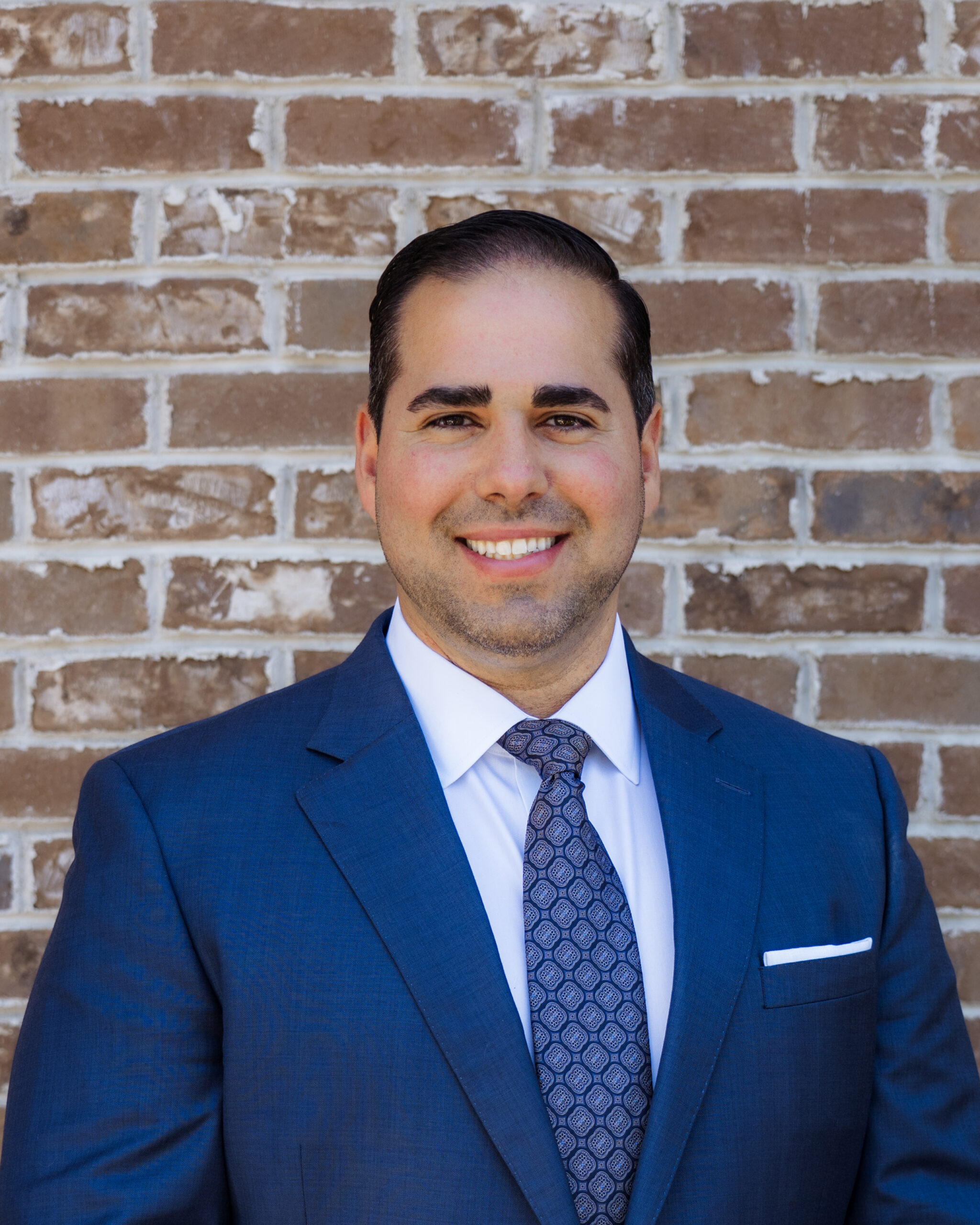
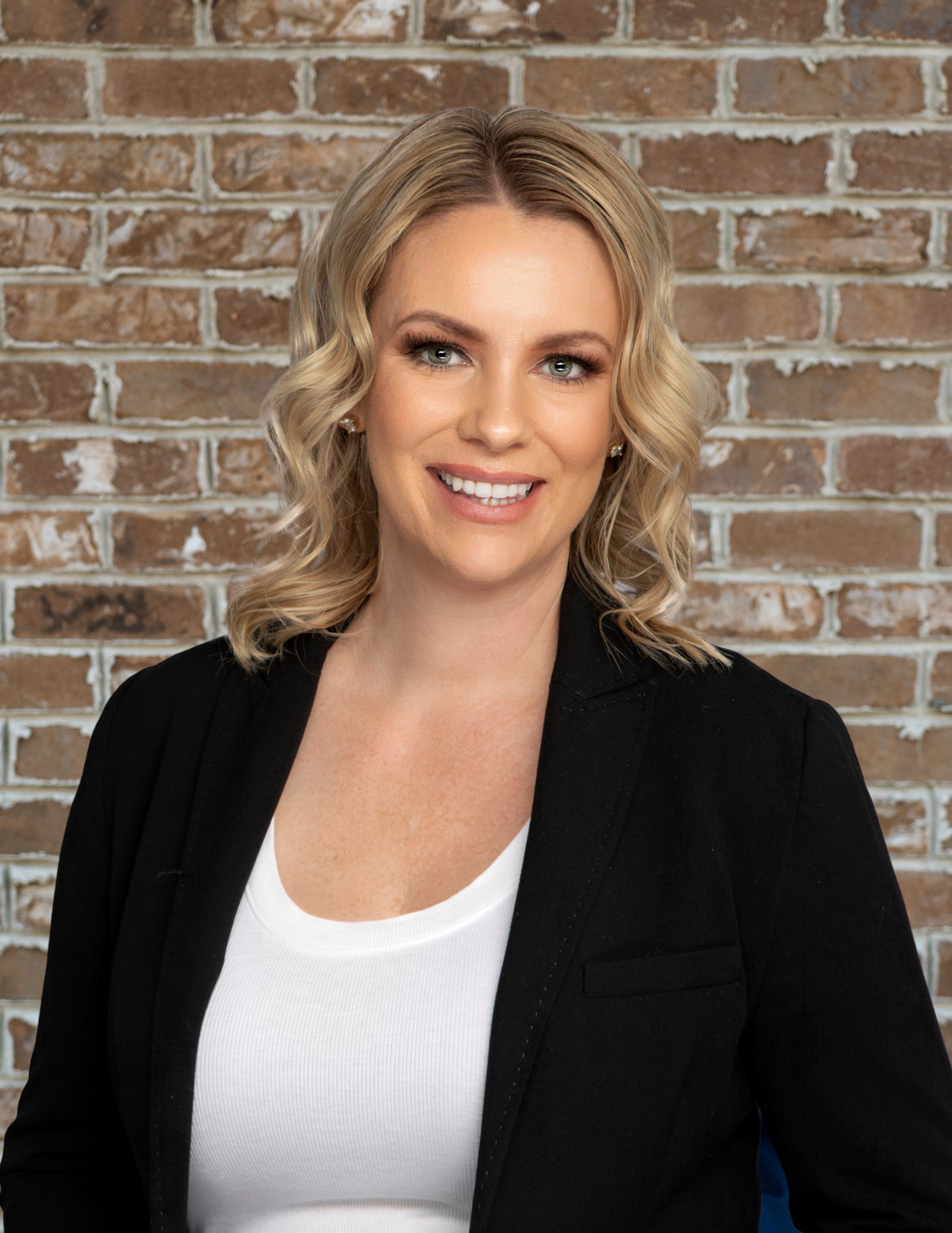
[00:00:00] Speaker A: Welcome to AllView360 all things real Estate Podcast. With your hosts, Daniel Gutierrez and Shannon Dempsey, we explore real estate from every angle, giving you insights, tools, and confidence to make smart decisions that support your future. It's time for a new perspective on Property. Welcome to AllView360. Hello, Daniel.
[00:00:18] Speaker B: Hi, Shannon. Hi.
[00:00:21] Speaker A: Okay, so Shannon and Daniel here. And today we are going to discuss. Discuss. I had control over what we discuss today, this weekend. It's funny, but I want to discuss the agent support group that we did a couple weeks ago and a tell you about it because we haven't really gone over in detail what happened, but it was very dynamic and I was really, really happy with it.
And then kind of go into just networking and support groups and all of the different things that you've done over the years that you continue to participate in, things that I'm looking to be a part of and just the importance of continuing to improve, grow, learn. Never ending. Right?
[00:01:00] Speaker B: Love it. Let's do it for context.
[00:01:02] Speaker A: Let's do it. Okay.
[00:01:03] Speaker B: For context. You want to kind of share with the audience of how this came about and the intention behind it.
[00:01:11] Speaker A: Yes. So right now, what we are beginning of July 2025, the market has been not the best. It's been really tough with listings. Literally no showings, no activity. Open houses are dead and kind of drowning and not being able to sleep at night thinking, what am I going to do for these listings and these clients and all of that good stuff. Right. So once all that anxiety kind of passed, I came up with the idea of none of this is groundbreaking, but it's, you know, some of the first time I'm implementing some of this stuff into my world. But we did an open house extravaganza of I think it was. It's a community of 700 homes. There was at the time, nine listed. We had five agents that agreed to band together, host the open house at the same time. Super blasted out all over the place. It was something that was going to get a lot of traffic. We all were on a group text together. Turns out nobody came even after all of that effort. That's how crazy this market is.
But the takeaway from it was the misery loves company aspect of it. All. Right. So even though we didn't have a lot of traction, we were able to show our clients the effort that we were making. We were able to support each other in it. And I fell in love with that feeling and that sort of collaboration. Everyone was at different brokerages, but just kind of the community aspect of it all and working each other through that. And we've maintained that group text and communicating with each other and helping each other out and doing really what's best for the clients and, and top dollar and value.
So we, I kind of talked to you about that. Probably cried because no one came, but then took the key takeaways from it. And so then we thought of the idea of creating an agent support group. It was not as groundbreaking as I thought. So turns out there's a lot of these out there, which is very, very exciting because everyone needs to find their tribe and make something happen and there's tons of opportunity to do it for me and for us. What I wanted was agents that I knew were like minded.
So I wasn't sure how it was going to go. I reached out to, I went through my list of the last five years. Every agent that I've worked with that, you know, when you leave a transaction and you forget how terrible the transaction was, but you remember how solid and wonderful the agent was to work with and you think, damn, if they weren't on the other side, I don't know if this would have closed. Yeah, like those people. So I track those people. I reached out to them and I reached out to agents in offices that I've worked in with that just, I absolutely adored.
So I threw it out to 10 of them within.
I mean, I was talking to Jacqueline the whole time. Within probably 30 minutes. Everybody responded, yes, yes, yes, yes, yes. So I'm like, okay, so then we capped this agent support group. Let's talk about how we can market better and learn from each other. We capped it at 10 the following week. Everybody showed up in person. Which if you know the real estate world, people showing up in person in an office setting is not, you know, you bribe them with food or anything. I didn't. There was no bribery. Like they all showed up and there was such this hunger to collaborate, learn, communicate, all of that. So that was how it all came about.
I had an hour scheduled for the actual content. Ended up going on for two hours of just so much collaboration, sharing and all. Different agents from different brokerages, different duration in the market.
There was, I think the shortest term was three years and the longest was 44 years.
So it was tons of experience in the room, tons of opportunity to learn.
And that was, that was what it was. And I was obsessed with it. I thought it went wonderfully. I was bummed you were not there. I think next time you be there. I didn't know it was going to be like that. I don't think you knew it was going to be like that either.
No, I thought it was just going to kind of be a sip of coffee and cry together thing, but it wasn't that.
So that was my long explanation of how it came about.
And since then, I don't know if you're noticing it. I'm seeing just kind of on social media and talking to other agents. There are these small groups forming and existing, but new ones forming and a need for it right now.
[00:05:26] Speaker B: I think there's always been a need for it. I think sometimes people are uncomfortable doing it or talking about it.
And even for me, for instance, you know, I'm part of entrepreneurs organization eo and that's essentially a support group for CEO founders.
And I've been in it for almost three years. And I wouldn't be the same person I am now without it. Like, it's been such a blessing for my life, my organization, my happiness. Because I think one of the philosophies with an EO is there's really no differentiation between work and personal personal life. What affects you in work, affects your personal life. What affects your personal life, affects you in work. In order to be the best for everyone around you, you need that help, support, a sounding board, or even just hearing that, you know, you're not the only one.
And it goes a long way.
[00:06:18] Speaker A: Yeah, that was the biggest. Just knowing that you're not the only one. That was the key takeaway of all of it.
I thought with this particular group in this particular topic, I thought and was hoping that there would be like a magic spell or something that I could take away and be like, oh, I'm gonna go implement this and get my listing sold. And that did not happen.
[00:06:40] Speaker B: Sometimes it does, but it doesn't always.
[00:06:43] Speaker A: Yeah. And I think we all, if anything, it was better to hear these are all the different things we're trying. And some of it's working, some of it's not working. But there is no magic trick right now to make things happen.
Do you want to hear some of the things that.
[00:06:58] Speaker B: Yeah.
[00:06:59] Speaker A: That they talked.
[00:07:00] Speaker B: Yeah, yeah, absolutely.
[00:07:01] Speaker A: Yeah. Okay. So the biggest one for me that I immediately started implementing into my marketing right now was there's a list track. Have you heard of list track?
[00:07:16] Speaker B: Yes, I have. I have never used it.
[00:07:17] Speaker A: Yeah, probably because on listings they'll send kind of a little snippet of here's how many clicks you've had on your property, here's the main websites, here's how many shares you have blah, blah, blah. So in the past, I've copy and pasted that into my seller updates and here's how your property's doing. But I've never. I didn't subscribe. I've never shared the deep dive into it.
So with List Track, what it does is tells you a ton of information that you can then use and tailor to sort boosted marketing.
So that was something I was doing the Facebook social media stuff, now that they've worked around the fair housing aspect of it and you're able to. Which I'm fairly recently able to share, advertise, boost posts about listings and neighborhoods and all of that good stuff.
The combination of the list track information, which has become really relevant in sharing with clients and paying attention to now that more skills involved and more analytics and all of that, the combination of the list track data and. And then the target audience in the social media posts combined is something that. I don't know why I never clicked that in my head. Um, that was. Katherine shared that information and it was a game changer for me. Cause it's here's information, here's what I'm doing, and here's how I'm piecing it all together for the best possible results for you. Um, so that was the number one thing that I immediately implemented. That evening. I started working on how to work that in trying to think. I have my notes. Real Report. Do you have Real Report where you are? Okay, so we have Real Report here in San Diego. It's Brian Daly.
And this sparked a whole conversation. So Real Report is real stats locally. Right. So everything that you would want to know about the real estate market, what's happening in your local market, all of that's so important. And the conversation that sparked from that, and I don't know if you're seeing this is how important it is to know those stats on a daily basis.
[00:09:12] Speaker B: Yeah, absolutely. Especially with dynamic markets like this, when more clients are, you know, getting concerned or frustrated that their properties aren't moving. Having that is very important.
[00:09:23] Speaker A: Yeah, like average days on market, average price point, all of that. Right now, specifically, it's sad because the average days on market just each week is basically increases by 5.
But making sure we like we talked about the different Instagrams that present the information from Real Report for people that are on social media and kind of track things that way. We went over the website and just the importance of what you need to know to carry on those conversations and not be scared of them, which is hard to do right now. We talked about SensePark, which is something that you introduced me to. And you use it.
What. What do you guys use SensePark for?
[00:10:01] Speaker B: We use it for a lot of things. Internal communications, client communications, marketing, sales.
All of it's for those who don't know. It's another version of Loom, in my opinion. I like it better. I think they're more innovative, smaller company, younger.
Every single week there's new updates. I really like it a lot. It's built, incorporating AI, so we've had a great experience with it and we.
[00:10:23] Speaker A: Talked about SensePark in using it. So it basically has a little. A video of you and then whatever webpage you're talking about behind you.
So doing some sort of market update video with an article or with stats right on your screen and you're talking through it. So it's a combination of the personalization of you delivering it and the actual facts that you're having on your computer screen. And so Send Spark was a good software for that. I haven't actually done that since we've had this conversation, but I do love the idea.
You just have to be comfortable talking through things which you think I would be.
[00:10:59] Speaker B: Be comfortable and uncomfortable.
[00:11:01] Speaker A: Yeah. Be comfortable being uncomfortable.
We talked about.
I don't know how often everyone does updates, but the importance of doing two now over communicating to your clients. They're. They're pissed, right? They're. They're.
They don't know what they're pissed at, but you're the person that they are able to channel that anger and frustration towards if you're not filling the gaps for them, if you're not filling the holes. And so everyone, that everyone had different update days.
I like Monday updates. Here's what happened over the weekend. Here's what I'm doing this week to promote and all that good stuff, but doing a Friday update and a Monday update. Here's what happened during the week and then here's what happened over the weekend.
So everyone in that room that also everyone in there is still actively selling. They have doubled up on their updates to their clients, which I think is important.
[00:11:53] Speaker B: And then it's important, but it's a hard one.
Updating your clients that absolutely nothing is happening is really stressful.
[00:12:02] Speaker A: Yeah. A no update update makes me cringe.
[00:12:04] Speaker B: Yeah. So it's so important. Yeah. But being creative and how you go about that, like, I think, you know, for me, I've. I'm much stronger on the stats of the data and I always have been, but much less comfortable with the emotion of it all.
So I think the support groups are talking to other people really help me fill those gaps on more of the emotional component than my normal inclination to provide a bunch of data.
[00:12:30] Speaker A: Yeah, well, it's definitely something that. It depends on who the client is too, on how they want to receive the data. Like, if you're sending me a bunch of stats, I'm already bummed. My home's not selling and I'm not looking at the stats. I'm looking for what you're doing to continue to market the property and everything like that. Right.
[00:12:48] Speaker B: So something I. I mentioned to you, I had dinner with the CEO of a Fortune 500 company. Really awesome guy. And he was telling me, like, Fortune 500, publicly traded company, personal dinner at my home, you know, super lucky, super fortunate. And he was telling me, he asked me, he's like, what do you think the number one aspect of a successful salesperson is?
And my answer was conviction. And. And he goes, that's good. But no, he goes, it's compassion. It's compassion for your clients. And I'm like, shit, you're right.
And that's, you know, compassion's the core.
[00:13:22] Speaker A: Value I was assigned for our little project.
[00:13:24] Speaker B: You're great at it, but I think you're natural at it. I'm not. I had a conversation with a client yesterday who wants to sell their home. They bought it in late 23.
They paid $100,000 over asking, and then they tried to sell it in 24 after they decided that they weren't gonna move to or anymore. They tried to sell it. They couldn't sell it. They were. Dropped it as low as $100,000 under what they paid for it.
Couldn't do it. We. They hired us, we took over management. We leased it for a year.
Coming up on that year. Now they want to sell it, but they want to sell it for, like, significantly more than they bought it for. Even though the stats for that market, that neighborhood, that city, are actually down 6.5%.
So I provided the stats, I did all of that, and I did my normal, very in depth, you know, analysis, research and, and write up. And thereafter, I'm like, I'm missing the compassion. I'm missing the human component. So I chatted with my friend ChatGPT and asked it to add some compassion.
[00:14:27] Speaker A: I am so jealous of your friendship with Chachi.
[00:14:29] Speaker B: Yeah, some compassion to my, my communications. And it did.
I don't know if it worked.
And it's a hard topic to have, right? Like, hey, you bought this property, you're going to need to sell it for a, you know, significant loss if you want to sell it. My recommendation was actually not to sell it, to hold out to till a better market. But you know, ultimately it's up to them and I wanted to be compassionate of their situation.
[00:14:54] Speaker A: Yeah, compassion's definitely needed now more than ever too with those exact scenarios. I have a couple of those where they need to sell. Bought it recently.
A job change is why they have to sell it. Yeah, it's, it's. There's no other option. Right. They have to sell the home and they can't, they can't profit on it. They can't really get back what they put into it, all of that.
[00:15:18] Speaker B: And then after transaction costs it's even worse.
[00:15:21] Speaker A: Kind of speaking on the compassion and just the way that we're updating people, something that I brought up was Culture Index, which we have implemented. And that's a whole other podcast topic. Right. The.
Do you want to give a quick synopsis on what Culture Index is?
[00:15:35] Speaker B: Sure. So earlier this year we made the initiative to have a better science based understanding of who we are as people. How to communicate with each other, how to lead, how to help hire, promote, grow, everything. So Culture Index, I think what people are probably more familiar with is disc profiles, Enneagrams or predictive Index. How Culture Index was presented to me is that it's disc on steroids and we implemented it. All of you, our whole leadership team went through the training and our entire organization has, I think has been onboarded through their platform and program. And it's been, I think, at least in my opinion, transformational for the organization. And everything we're doing, really putting people in places where they're naturally build to succeed, understanding how we best communicate with them, how to best encourage and lead them and help them work in their magic.
[00:16:36] Speaker A: Yeah, and that's the right person, right seat kind of aspect of all of that. And everything that Culture Index has taught us about ourselves and each other has I think really started a new wave of everything that you're doing with the company.
For me, I was obsessed with Enneagram.
It's kind of a combination and more palatable than disc and similar to the Enneagram as far as communicating it, kind of making it more of a conversation with your friends at a party.
So we've become obsessed with it. I looked, we're up to like 313 surveys completed and you know, it's applicants and staff, but it's also just a ton of friends and family.
And my plan is to And I've already done it with one set of clients.
Have them take the. It's a two question personality assessment. Right. So it's the dots and stuff. Less than 10 minutes, realistically 5 minutes. So my plan is to start incorporating that into the way that I'm communicating with my clients and asking them, obviously not forcing anyone, you can't, but just kind of, hey, in order for me to better communicate and deliver you the information that you're going to want about your home. And if you have five to 10 minutes, would you mind taking this assessment?
And then it's going to tell me what one of 19 profiles they fall under. We are working on being experts with every single one of those profiles. And so it's going to tell me who wants the data, who wants the phone calls on a daily basis, who's leading with emotion, who's leading with logic.
Oftentimes one spouse is one way and the other spouse is another way.
[00:18:11] Speaker B: More often than not. Yeah, yeah.
[00:18:13] Speaker A: Like I, like I've dropped the ball with. I have one side of the transaction that we're talking a lot. Her and I are texting all the time. Right. Like I feel like we're 247 and on the same page. But then the husband, who's very analytical, wants the stats. I let that kind of fall to the side because in my mind I'm communicating with the transaction, but I'm not communicating with him in the way that.
So he's pissed, right? She's happy, we're besties, he's pissed. So that it's something that I really think I want to do to level up that communication. I don't know. Would you, if an agent said, if I had said to you, Daniel, take this assessment so I can communicate with you properly, I'd love it.
[00:18:50] Speaker B: I'd be all over.
[00:18:51] Speaker A: You would love it.
[00:18:51] Speaker B: Okay, but that's kind of how I am. But also you would do that and you would learn, like, give me the too long, didn't read version. I want the stats, I want it fast and you know, get to the point.
[00:19:01] Speaker A: What do I do with a client.
[00:19:02] Speaker B: That'S like, nah, well, you better, you're better at that than I, I think that's you. You talk through the emotions, you talk through the situation and you paint the picture through the conversation.
[00:19:15] Speaker A: I think I want to talk to Justin. I'm just going to ask him how do I communicate with the type of person that doesn't want to take this personality test and then just make A personality number 20 refuses to take the test.
But that all sparked kind of just a personality assessment conversation.
And before, when the market was crazy and we were spoiled, we. The communication with the client honestly was 45 days max. Right. You're. You're listing the house, you're selling the house. Everyone's happy the whole time. Cause the results are there with the sellers.
And so now not only do you have to communicate more, you have to communicate for a lot longer and you have to communicate correctly.
[00:19:53] Speaker B: How do you go about the no update updates?
[00:19:57] Speaker A: I cry. Um, I, I'm. I'm very transparent and blunt. So I'll just flat out say I, I wish I had better news for you, but I don't. You know, here is where we're at with everything.
And I keep a list of everything that is within that mile radius, very specific to their home. Right now there's a lot to go off of. I call all of those agents every week.
I'm finding the agents are more excited to communicate and learn what's going on in each other's worlds. Because it's helpful. Right. So then I'll have the addresses. Here's what I've learned about this property.
So it really is a no update. Like we didn't have any showings.
I don't think you should reduce your price because even other people that have reduced their prices are also not getting showings. You know, whatever it might be.
Just demonstrating.
I have obsessed over this all week. Here's all the information I've gathered. There's no changes in what we're doing, but here's how I've come to that conclusion.
So it's a no update update, but it's informative.
[00:20:56] Speaker B: Yeah. And I think that's the right way to do it, at least similar to how I do it. It still makes me cringe.
But showing that you're having the convers with other agents, what you're doing, you're not giving up. You're still trying.
It's. It's super important. And then, yeah, being blunt.
Have the clients who I think are more realistic versus the ones who aren't. Everyone has their own situation.
We can't change the market. There's only so much we could do as, as agents or realtors or really just humans and giving them the, the insight and trying to lead them to what works according to what their goals are.
[00:21:36] Speaker A: Yeah. When realistically we're in this together. Right. I am going to bed thinking about your property. I'm waking up thinking about your property. So I am a third aspect to these Sales of people. So it's, it's tough, it's not fun. I am so excited for when things shift and people start getting the results that they need and want and all of that good stuff.
[00:21:56] Speaker B: Yeah.
And also too it helps understanding the form of communication really helps with even getting the deal, getting the listing agreement. I think I mentioned to you we had a client, a very long time client on the property management side, wanted to sell, they were going to use all of you for the sale and then at the last minute decided to interview some other agents which totally on board with it, needs to fit them. And they ended up going with an agent that recommended and at least in my opinion, an of a strategy that netted them probably 3, $400,000 less than what they should have gone for the home.
Which was like, hey, tenants, been there for 10 years.
When once the tenant moves out, don't do anything. Let's just get it on the market as quickly as possible and see what kind of offers we get and move quickly.
So no, no paint, no repairs, no touch ups, no renovations.
Orange county home, coastal, nice, nice neighborhood. Could have gotten a lot more. And they ended up for a hundred thousand dollars under asking and went into contract in like the first few days. But it was probably by one of those companies that goes in and just offers super low ball offers immediately. And he agreed with me that the best outcome would have been generated by going through and doing a renovation, which we could have done for him in 30 days, taking care of everything and netted to him hundreds of thousands of dollars more.
But something was appealing enough for him or the way that this other agent proposed it to just get it done as quickly as possible and take what he could get.
Which completely goes against who I am and how I believe or how I work and what I believe.
But it worked for them.
[00:23:44] Speaker A: It worked for them. They must have not needed the extra money and needed the time or something.
[00:23:49] Speaker B: Well, that, that was a weird thing because when he was talking about it, he's like, yeah, this extra money is going to be great. It's going to help my sister and I with our next project purchases, you know, this and that. And we're like, okay, cool, like, you.
[00:24:00] Speaker A: Know, let's get you top dollar.
[00:24:01] Speaker B: Yeah, exactly, top dollar, highest ROI and like for maybe waiting another 30 days and for whatever reason and however this other agent did it, I mean kudos to her, convinced him to just pretty much fire sale the home.
[00:24:18] Speaker A: I wonder if she double ended it.
[00:24:20] Speaker B: I should check actually.
[00:24:22] Speaker A: That's always my first thought. And oftentimes I look and it's not the case. So I need to stop always assuming everyone's.
[00:24:27] Speaker B: But there's times where it is the case.
[00:24:28] Speaker A: Okay, what else I have? Oh, there was. So Diana had shared. She's an, she was an agent in Anaheim Hills and now she actually moved closer into the area that I'm in.
And she's wonderful. She sold her property in Anaheim Hills and was telling me she actually was a buyer on one of my listings and contingent on the sale. Then it turned into that was the deal where she was the buyer and the buyer's agent and then the seller became the hard money lender. And I'm like, what, what is even happening? Like everyone just made it happen in such a wonderful way. But she was like, oh, I'm going to sell my house. No problem. I have my four day plan. I'm like, what the, what the heck's your four day plan? So she presented that she brought the cards and everything.
It is very back to the basics in a high quality way, which is what I think a lot of people should be doing right now.
I know everyone says open houses don't sell homes, brokers opens don't sell all of that right now nothing's selling homes. So you better be doing everything in my opinion, you know, within reason and within convenience. But I, but get back to the basics. So her four day plan they do. I should get the details from her, but they basically canvas the area around the home, do kind of a really classy looking invite to the open house, but they blast the hundred homes around it unless it has no soliciting or anything like that. Then they, you know, they do the just pending, they do the just solds. So they really focus. They do open houses Thursday, Friday, Saturday, Sunday 11 to 5, which is insane. They have a big team that handles it so everyone does it in shifts and then they price strategically. So she's like, it's. We maximize the amount of time we can get people through. We maximize the level of marketing and exposure in those first few days that we can and we price it to be competitive and hopefully warrant offers. I don't know how successful that would be in this very current this week market.
But once we start creeping into one that's a little bit more active, where buyers are, you know, starting to pay attention again. I can see why this approach is very, very successful in certain neighborhoods when it makes sense because you're, you're putting it out there and you're kind of condensing the market time.
To get that result. And then on the flip side, you're also promoting yourself in a really high way.
So it's, you know, two birds, one stone there.
[00:26:52] Speaker B: I think agents really, every professional needs to understand.
I think every professional should focus more on the perception that they give off of themselves and their.
Their practice when doing anything.
Putting out marketing, regardless of the kind of home it is, you know, deliver. Gosh, let's go back. I can't even. I'm trying to figure out what I'm trying to say.
[00:27:20] Speaker A: I'm here. I'm here for it.
[00:27:24] Speaker B: So I think agents really need to focus and understand that what they put out anywhere is what they're put out everywhere. So if they're. Even if it's a $500,000 condo, you know, the next potential client with that $10 million mansion and is going to see it, and it's super important to always deliver that super high quality marketing product, whatever it might be, because people will see it and it will be a reflection upon you. And if you want to get to that next level, that's how you do it.
In regards to what she's doing, I think that that's absolutely wonderful. One of the biggest factors that you said is pricing strategically.
That's a hard conversation to have right now, and I think more people need to get comfortable having it and being realistic with the clients. Now, of course, there' a different strategy where, you know, get the. Or agree to whatever the clients want to get the listing and other people, I can understand it from a perspective. I don't personally do it. I don't recommend it. I think that leads to misalignment of incentives and ultimately not.
Not setting your client up for success or even setting realistic expectations.
But some people do it and, you know, the other ones who will list super high and say, okay, well, if it doesn't sell within the first 30 days, we're going to do a massive price drop and then get back to where it should be. But I think the stats show that that actually ends up leading to a much lower sales price than if they just were to price it strategically on the front end.
[00:28:53] Speaker A: Yeah, the price conversation is tough right now too.
But I love what Diana's doing. I love what her team's doing. I think that for me, I'm like, why am I not doing that? Like, we remember back in the day, we talked about, like, door hangers, and it was definitely something that was just part of the process. You'd send out the mailers, you do all of that. And I Don't. Maybe I'm the only person that's gotten away from it. But as the market got, you know, less focused on the marketing of getting home sold and more focused on just the transaction itself, how to navigate the multiple offers, all of that good stuff. Now we're back into the main focus being marketing the home.
I need to get back to all of that and continue to be consistent with it instead of sporadic.
[00:29:33] Speaker B: Something funny that you mentioned is getting back to the basics. When I was at Mike Delpretti's Innovation Hub, so much of what people were saying was really getting back to the basics. And I mean, we have people all around the country, even outside of the US Really a lot of highly technical, really advanced professionals. And so much of what was being said is this, AI is great, technology is great, all of this is wonderful.
[00:29:58] Speaker A: But.
[00:29:58] Speaker B: But unless you do the basics well, then the rest of it doesn't matter. We had a really successful broker, been in the industry for a long time out of Portland, and she was saying that she's getting back to like 1980s realtor techniques to what is 1980.
[00:30:18] Speaker A: First of all, we weren't born. Second of all, what is 1980s realtor techniques?
[00:30:22] Speaker B: So one of the things she was saying is like, everyone needs professional headshots updated, new professional headshots updated photos. Like, she's going back and doing.
[00:30:31] Speaker A: Her.
[00:30:31] Speaker B: Big thing is focus on the philanthropy. So sponsoring a bunch of school events, bunch of community events. She doesn't do any online marketing anymore.
Like her brokerage has it, but it's more of.
More of an afterthought than being very intentional and being a part of the community and portraying yourself as such to get your clients both on the listings and on the sales and really, really market her.
Another broker out of, out of Austin was saying that he's going now to a lot more print marketing. He's actually having a lot of success on print marketing. And he even said, every new agent in my office has to have a screenshot or a headshot with our photographer.
No more Instagram headshots on their professional. Yeah, on their professional pages, things like that.
It's getting back to the basics. Everyone has. Everyone should have a website by now, but doing things that are a much higher connection. And then even too, as AI starts to get more and more prevalent, really getting away from the mass communications and utilizing AI's capabilities to be more, more unique in those communications. And I think AI has a lot of untapped potential to be very unique on a. On a much larger scale.
So I think that's a lot of the takeaways from that conversation.
[00:32:07] Speaker A: But I did not like. I love everything you said except for the no online. I think like a social media presence and online presence is very, very important.
I think second to the basics and the human connection and relationships and being involved in your community. But I do think that it's a missed opportunity if you're not focused on your social media and your online presence as a reflection of who you are as an individual. Not necessarily. I'm going to post this home and it's going to sell because of this post. But there's. That's a whole other topic too of how to properly market yourself using those platforms in an effective way.
[00:32:47] Speaker B: Absolutely. And one thing you also. You mentioned to me multiple times is like it has to be true to how that person does business and sells. You go about it much differently than I do and it just has to align with.
[00:32:59] Speaker A: You don't go about it.
[00:33:01] Speaker B: It has to align with how we are and who we are.
[00:33:03] Speaker A: Yeah.
[00:33:03] Speaker B: Like you, you're doing your HGT or.
[00:33:07] Speaker A: The atv, the adtv.
[00:33:10] Speaker B: ADTV American Dream. So I'll go back.
So for instance, you're doing your adtv American Dream. You are wonderful at that. Like that. That is so fun to watch. So excellent. I love it. You put me in that situation. I would look so awkward, like fish out of water. Not my jam. But you did.
[00:33:28] Speaker A: I laugh too hard at that.
[00:33:30] Speaker B: You're awesome at it.
And likewise, if you tried doing some stuff that I do, I think it would be same fish out of water situation.
[00:33:38] Speaker A: I wouldn't even try.
But I. So that. And this is kind of the last main topic and it builds on this. Was there was someone I really wanted in the room was Katherine Rollins. She's. I don't know how long she's been in the industry. She's younger than us and she is a powerhouse on social media in the most organic, genuine. Like her and I, we did a transaction together, fell in love. Then we've stayed on social media, have stayed in contact with each other, but we met for the first time in person at this Mastermind. And it was so crazy to me that I'm like two years or year and a half, however long it's been the fact that we have never met in person. But I feel like I know her just as well as I know you. Like, it's. She's killing it. Right. So she came. I kind of was asking her. The thing that really stood out to me recently is she did a Whole social media post in her cars, totally genuine and, and off the cuff, but not, you know, if you're doing it right, and explained basically the market's crap right now. But it is my job as your real estate professional to know what's going on. So just know that I'm staying on. And then she gave some facts and just, you know, that was kind of the no update, update, transparent, blunt interaction. And I'm like, everyone that watched that is going to think that is my. That's my real estate professional. That's the person that's watching out for me and she's going to tell me when things make sense again or whatever it might be.
So she came. I was very excited to see her. I learned in that meeting, which I was there was a little relief. She used to be. That's her whole background. So she would like, work for Kusi and her background is kind of the social media platform. Her husband is a branding consultant or marketing or something like that. So they've really honed in on this particular, I guess, brand for her. And she is, her personality, her. She's hardwired to back up exactly what she's presenting. They have nailed it. Katherine Rollins on Instagram, if you follow her, it's amazing content and it, it's something that, and maybe her generation's a little bit younger, but something that if people hear her name, they're going to immediately follow that and then know and be very comfortable with her as a trusted real estate professional based on what she's putting out there. I can't tell you what her listings are. I can tell you that she is good at what she does, you know, so she's doing it. Well.
[00:35:57] Speaker B: A big thing that you said.
[00:35:59] Speaker A: Wait, I have something to tell you.
[00:36:00] Speaker B: Okay.
[00:36:01] Speaker A: Built on that. Marcella. So in our office, someone had a conversation with a guy at a gas station about. And they hit it off at the gas pump about real estate. And she died because he asked, well, what's your Instagram?
[00:36:15] Speaker B: Yeah.
[00:36:16] Speaker A: And it was, it was a, you know, they were talking about. She's like, well, yeah, I do sales too, and this and that. And the fact. I'm like, yes, because that guy was gonna go to your Instagram and he was gonna eval your ability to sell a home in this market or your marketing, whatever it is that he was looking for. He was going to expect to see that on your Instagram.
And that's crazy to me.
[00:36:38] Speaker B: One of the things that I have.
[00:36:39] Speaker A: One more Instagram thing. Don't hate me. I. With the adtv thing, I reach out to people with the formal email, the media package, all of that, to invite them to do things. The mayor of Escondido and the owner of Amalfi, both of them, I sent them everything email wise and then sent them a DM on Instagram. Hey, at like 8pm at night, hey, I sent you an email, I'm doing this thing, blah, blah, blah, I'd love to interview you. Both of them immediately responded on Instagram.
And then that's how all the communication and coordination happened.
[00:37:09] Speaker B: Sliding into their DMs, I'm sliding into.
[00:37:12] Speaker A: Everyone'S DMs, but that it's not going away. Like that is a comfortable form of communication for people.
So danman006 or whatever your Instagram handle is, don't slide into his DMs, he's not responding.
[00:37:26] Speaker B: But one of the things you said across the board was like honesty, transparency and being genuine.
I think real estate agents get a bad rap and sometimes justifiably so, because you see the same agent say, hey, you know, this is the best time ever to sell. Call me, sell, sell, sell. And then the next day, like, this is the best time ever to buy, buy, buy, buy, call me. It's like, it can't be the best time ever to buy and to sell. Those are completely contradictory of each other. And it just really, I think, erodes that trust. So being very clear, very honest and intentional with your messaging and do it for the, in the best interest of the client, not in the best interest of yourself, 100%.
[00:38:11] Speaker A: Came looking at my notes. That was, that was what this mastermind covered.
[00:38:17] Speaker B: But they talk about even the importance of masterminds and other masterminds in general for, for real estate agents, for professionals.
I, I can't, I think, express enough how helpful they are. For me, it was taking me out of my comfort zone because you have to be open, honest, vulnerable. Like open and honest is fine, I've always been there. But the vulnerable part, to really listen, I think it's been a game changer for me.
[00:38:46] Speaker A: Game changer. So you are going to continue and you will probably never stop with this sort of thing, Correct?
[00:38:53] Speaker B: Correct. Never ever. And I think at one point it will probably change to more. Instead of trying to gain more from these masterminds or these groups, to probably trying to give more as I get older in my career and experience. But right now I love all of it and I do see some of the people who have more experience, you know, they've been in the industry for 30, 40, 50 years are, you know, sold companies and retired. And now they just want to give back, learn, and be around people that they enjoy. I mean, that's such an awesome situation.
[00:39:30] Speaker A: Yeah, it's wonderful. It's. If it's not something that you have easily at your fingertips, you can create it on your own. I didn't realize I was reinventing a wheel, but it's, you know, you got to make it happen. If you want that conversation to happen, invite the people, host it, ask, see what makes sense for you.
[00:39:48] Speaker B: What is it like? You're the average of the seven people you hang out with most.
Yeah, it's true. You find the people who are going to lift you up and. And really be intentional about who you surround yourself with, whether it's in life or these masterminds, because it has the ability to have a such positive impact when you're around the right people.
[00:40:09] Speaker A: Agreed, agreed, Agreed. Is there anything else you want to touch on with networking groups and masterminds?
[00:40:14] Speaker B: And I think even just getting outside of your comfort zone, whether it's like a meetup, a formal mastermind, like there's a bni, there's a lot of stuff out there, all different shapes and sizes, but you gotta show up, you gotta put in the work, and you gotta, I think, go into it with a service mindset to try to help others. And through that, I think you get a lot of benefit as well.
[00:40:40] Speaker A: Agreed. Now I got to figure out what the next conversation is going to be. Hopefully it's how to handle all of the buyers and offers on our listings. That would be so exciting.
It's going to be like the no update for a month update. How does that look? But we'll see.
What do you want to talk about.
[00:40:57] Speaker B: Next on this podcast or next podcast?
[00:40:59] Speaker A: No, on the next podcast. Because we want people to like and subscribe and be excited.
[00:41:04] Speaker B: Yeah. So I think one of the things I want to talk about is getting a little juicy in regards to some real stories of real estate investing. I was chatting with a good friend of mine yesterday evening, Dr. I used to work with, and he wants to get into being an investor primarily through renting out his primary home that he's going to be moving out of and then turning that into a rental and then investing thereafter. And the conversation I had with him was mind blowing. Just what he thought about investing, what he thought was what he thought the laws were, what he thought he could do, what he's heard from everyone else, and really just providing some honesty and some I Think unfiltered truth to what his, his misconceptions were and giving clients and our listeners really the, the real facts about what it takes and who's built for this and who's not. At the end of the conversation with him, I literally told him, I'm like, look, if this is what you're thinking about, this is what you're, what if this is what your thoughts are, this is what you're concerned about and this is how you want to do it. You're, you should never invest in real estate. Like, you're going to get yourself sued. You're going to be up at night every single minute thinking that everyone's ruining your properties and trying to figure out, you know, how to, how to control things that are uncontrollable, but really just going into it thinking like the worst is going to happen. And while you should be prepared for that, that's not the reality. It's listening to everyone's, you know, I knew a guy stories or I've heard from this guy or even to like. And I'm a big advocate against the social media influencers who lie to get, get views and to get followers, but are, are genuinely misleading their viewers. Like, I want to provide some truth of what it actually looks like from beginning to end being a real estate investor, whether you're self manager, hire professional manager, all of that, what it really looks like and what it, what it takes and maybe shed some light as to who, who's built for this and who's not and, you know, who potentially should stay into stocks and bonds versus who was gonna, you know, thrive in this industry.
[00:43:36] Speaker A: I love it. I feel like you'll talk more in that episode. I think I'm gonna have to wait two weeks to hear how that conversation went.
[00:43:42] Speaker B: You don't have to wait too, but I won't forget.
[00:43:44] Speaker A: Two weeks.
[00:43:45] Speaker B: Yeah.
[00:43:46] Speaker A: Okay, so if you enjoyed this, like, subscribe.
We're gonna follow up with everything that Daniel just discussed with the next episode.
Any other closing thoughts?
[00:43:58] Speaker B: That's it for me.
[00:43:59] Speaker A: Okay, then, we'll see you guys next time on Real Estate investing stories. Real stories from investors, stories and advice. Yeah, we'll polish it up. Bye bye.
[00:44:07] Speaker B: Bye.
[00:44:08] Speaker A: That's a wrap on this episode of AllView360, all things real estate. If you found this helpful, don't forget to subscribe, leave a review and share it with someone navigating their own real estate journey. Connect with us anytime on Instagram @AllView360 and on LinkedIn @AllView Real Estate. Until next time. Stay curious and keep your perspective. 360.