Episode Transcript
[00:00:00] Speaker A: Service is the thing that you're doing for someone, and hospitality is the way you make that person feel. One of my favorite things is to figure out what the ideal gift will be for that person. Sometimes it's a time thing.
[00:00:12] Speaker B: It's not about the monetary value of what it is. It's like how it makes them feel.
[00:00:18] Speaker A: You have to slow down and you have to make it a point to pay attention to everything that's happening.
[00:00:23] Speaker B: I know as long as I keep doing the right things, the money, the clients, all of that will come.
[00:00:29] Speaker A: Brian Buffini says, like, give it out in slight places and it comes back in loaves. Or something along those lines. I probably butchered it.
[00:00:35] Speaker B: Yeah. What goes around comes around.
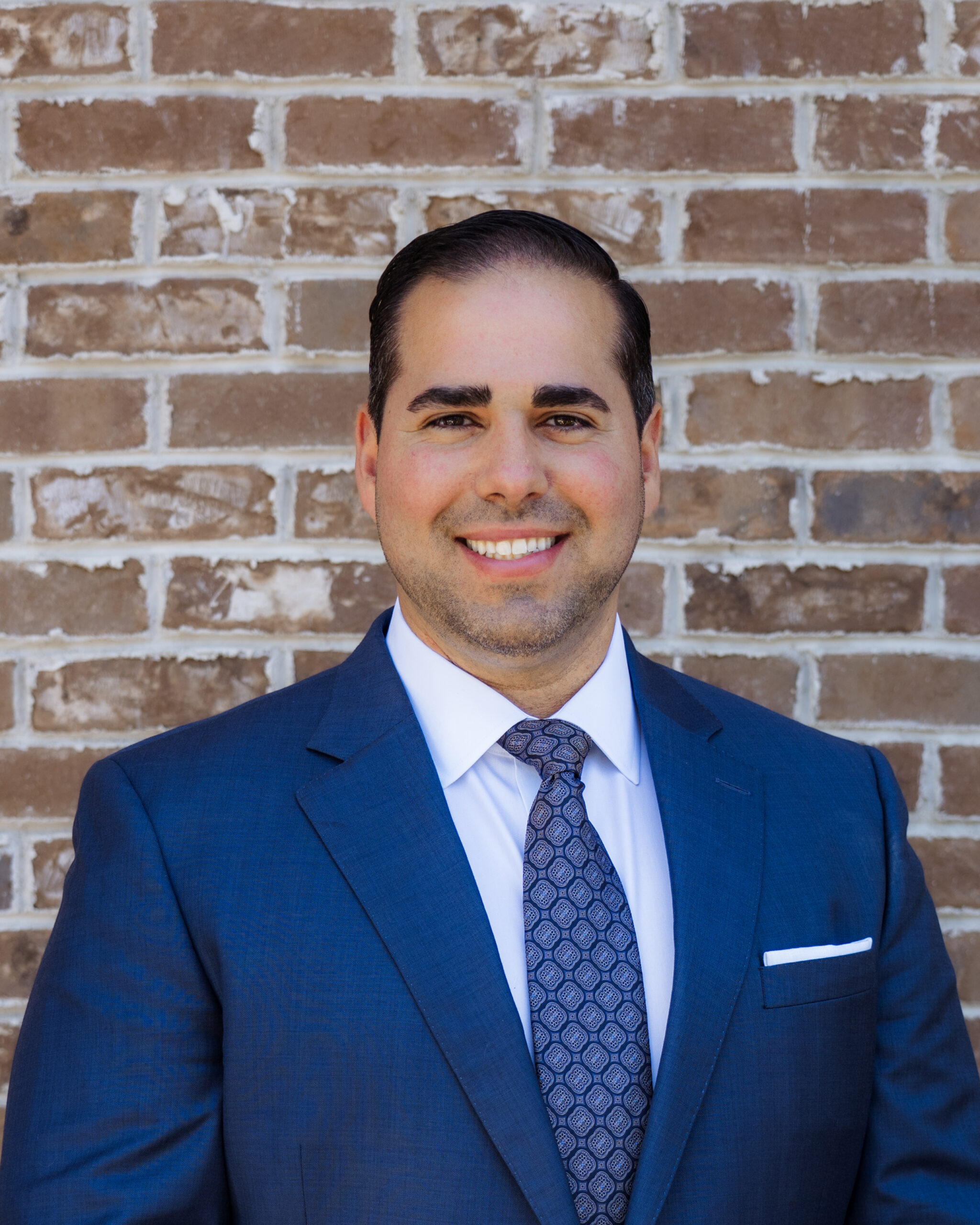
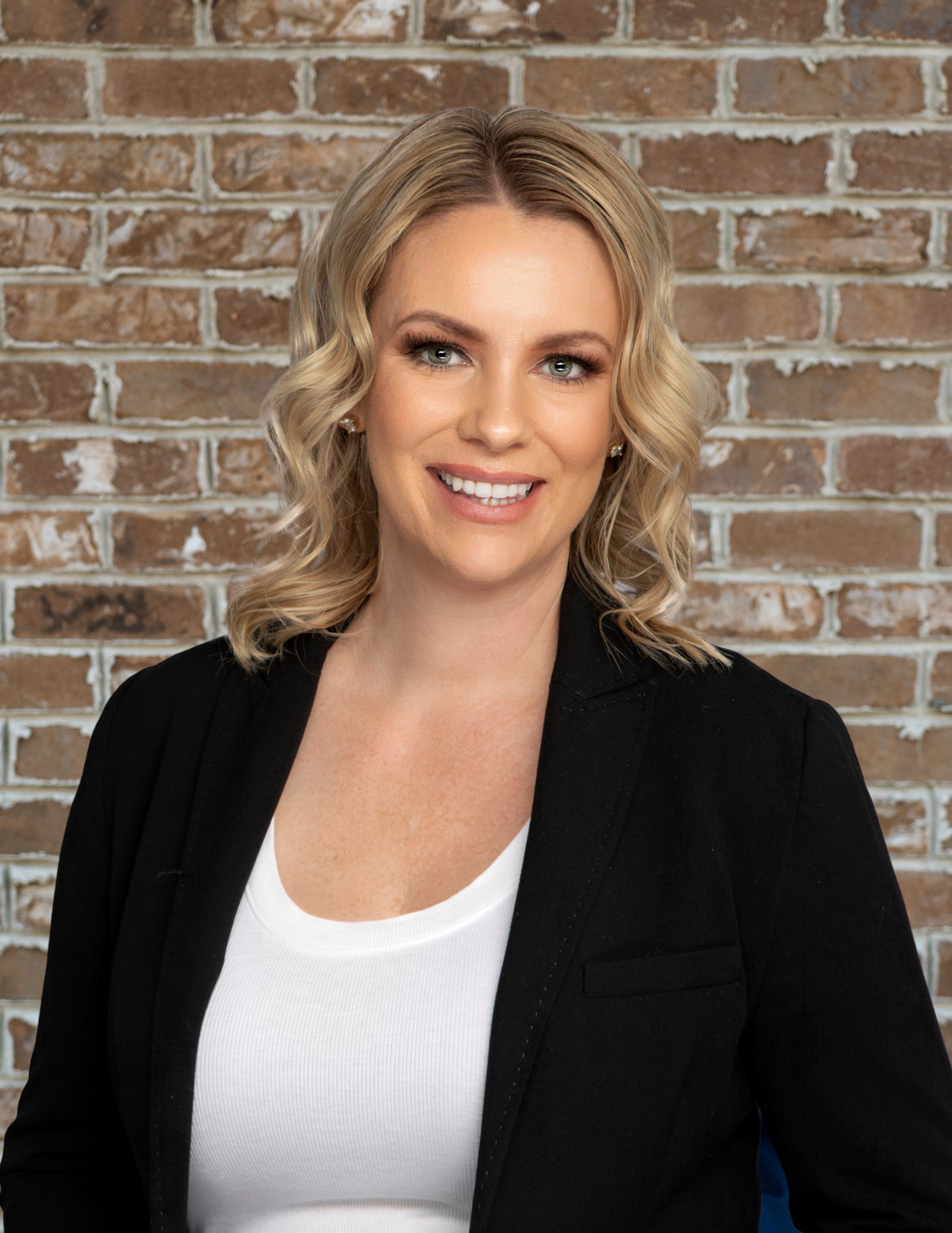
[00:00:37] Speaker A: Yeah. Don't take yourself too seriously. Welcome to AllView360 All Things Real Estate Podcast. With your hosts, Daniel Gutierrez and Shannon Dempsey, we explore real estate from every angle, giving you insights, tools, and confidence to make smart decisions that support your future. It's time for a new perspective on property. Welcome to AllView360.
Today we are talking about unreasonable hospitality. Star service in general. I'm excited about this one. This was inspired by a book by Will Guidera, Unreasonable Hospitality. If you haven't read it, I highly recommend that you do it. Finally got picked for our book club for the company this month, and we'll
[00:01:18] Speaker B: be sprinkling a little bit of Brian Chesky's 11 star experience from Airbnb, the founder, CEO of Airbnb.
[00:01:26] Speaker A: 11 stars.
Oh, my gosh.
Okay, so we'll just jump right into it.
It's one of those. It kind of trickles into every aspect of your life. So we're a little out of our normal cadence.
But you should apply a lot of what this book is about to your personal relationships, your family life, your work life, leadership, employees, everything across the board. So I don't think there's anybody that wouldn't benefit from this discussion in some capacity. Our focus is mainly going to be how we apply this sort of stuff into our team and our clients and what we want to be better at. So I don't think we're doing any of this perfectly, but it's part of the growing process and learning. And I thought this book was a great book that aligned with your recent desire of seven star service.
[00:02:18] Speaker B: And to your point, there's never doing it perfect. Like perfect is unattainable because you just continue getting better and better and better
[00:02:25] Speaker A: and finding yourself every morning.
[00:02:27] Speaker B: I mean, that's kind of how I've been forever, right? One of Our core values, pursuing excellence. And the pursuit is. It is the pursuit because there's no such thing as excellence. Once you get there, you find better ways of doing it.
[00:02:39] Speaker A: Agreed. Is that is our core value of pursuing excellence? Pull the rabbit out of the hat.
[00:02:44] Speaker B: Yes, exactly.
[00:02:45] Speaker A: Which is exactly what this is. Okay. Unreasonable hospitality. The first thing I think of is one, when I first heard it, the definition of hospitality in general. Let's see, the definition of hospitality, I wrote it down. Is defined around the idea of being given a generous and cordial reception of guests. So do you think of, like, hotels and things like that? Will Guidera's spin on it is one of the central ideas of unreasonable hospitality is the distinction between service and hospitality.
Service is the thing that you're doing for someone, and hospitality is the way you make that person feel. So that's a little different definition, and that's what we're basing this off of.
[00:03:30] Speaker B: For those of you who don't know, Will Guidera is a hotelier restaurateur.
Is that a word? Restaurant tour Tour, Known for some of the world's best restaurants, has literally won awards for the world's best restaurant. And just the way he approaches things is just on a whole different level. Not just on execution, but even just on approach thought, and really focused around people's experience, how they make. How you make them feel, and just elevating the world across the board.
Fabulous person, Phenomenal book.
[00:04:04] Speaker A: And his role, he's not a chef, so for him to turn a restaurant into the number one restaurant in the world solely based on experience and the dining room, not the food itself. I mean, his partner was the chef and exceptional, but it just shows, you know, what he brought to the table was the elevated experience at the restaurant. And that's what made it the number one restaurant in the world. And then we're not as exciting with property management and real estate.
[00:04:30] Speaker B: I mean, real estate, 100% has the ability to do that. I think over the years we've tried implementing that. We haven't been as consistent as we'd like, but yeah, this is something that everyone and anyone can and should implement into their lives and just improving the way they make those around them feel at all times.
[00:04:50] Speaker A: So in starting on, service is what you do. Hospitality is how you make them feel. I immediately think of in that particular scenario, tenants, like, the service is answering the call to fix the toilet. The service is the move in. How are they going to get the keys? Things like that. That's a box you're checking and you're doing the job. I think it's very easy for a tenant to feel like with the tone that you use when they make the call or the way that you respond to the work order, feel like a burden, like it's something you don't want to do, like they're a problem that you have to fix versus showing that you actually care. And I'm so happy you called me. Let's get this figured out for you. And I hear a difference in mainly the employees that thrive tend to approach the scenarios that way. I care about this person's experience and it's just in them naturally. And then there's others and they tend to not last very long that see it as something they have to do between nine and five. And if it doesn't work for me, too bad, figure it out. And they don't think about the person on the other side there. I think that tenants are the easiest to apply this to with your attitude towards the whole scenario and how you make them feel because they're coming to you feeling bad. They're already having not feeling bad about making you feel bad, but they're already in a crappy situation if they're calling you because that means they have a problem.
[00:06:13] Speaker B: Well, and there's two things there. So how you start a relationship with a resident is setting the precedent and the expectation for how that relationship is going to go throughout their entire tenancy.
So starting out on a good foot is super, super important. Also too, there's been data that's come out over the last 12 months that show if a resident attendant has a major issue within the first, I think it was like three months, the likelihood of them renewing ghosts from like 85% down to like below 10%. And it was based around plumbing issue, H vac issue, fridge issue, like heaters was another big one which falls into the H Vac. But there's a company in the industry that tracks all of this. They had millions of of data points across over a million tenants. And it shows that if that tenant has one of those issues within the first few months, the likelihood of them renewing, even for the best property manager, the best landlord, drops to around 10%. So that's how important it is from the very beginning.
[00:07:18] Speaker A: And for me, with the way you make people feel, it's kind of. It's similar, right? When with the real estate sales, someone hires you and there's this impression or expectation that you're available to them at all times. And I've recently been working on this constantly Feeling like I have to answer as soon as a client's calling me. And I noticed with one particular client who I adore and is always calling with great questions and talking through things, and we're working through, you know, kind of a tough scenario, I answered with the expectation that I needed to answer as soon as she called. But I was also walking into an appointment, and I felt like I was a little short with her, shorter than I would have liked to be to get her off the phone so then I could do my appointment and call her back. And I knew that I did not make her feel like I valued her call in that moment. And so I had to step back. How do I fix this? And what I should have done. That's a discipline on my end, right? I should have not answered the phone, knowing that I wasn't able to be a hundred percent present in that moment, and finished my appointment and then called her back. And I would have been in a different head space.
What bothered me the most about that whole interaction, and this was a few days ago, was how I knew I probably made her feel. And that's going to have a negative impact no matter how the second call went and how great the outcome was. And me being fully present, how I acted in that moment of being short and getting her off the phone is probably gonna have a lasting impact over time versus the problem I solved an hour later when I called her back. And so it's this discipline and this awareness that none of us are perfect at, but it's what we have to do.
[00:08:57] Speaker B: Oh, and it's difficult because you pick up because you don't want it to go to voicemail. But for instance, there's been times, I remember specifically one client, a few ago, I was at the dentist, I didn't pick up.
[00:09:08] Speaker A: That was my appointment I was walking into.
[00:09:10] Speaker B: Okay, so I was at the dentist. I didn't pick up. I came out, I got out of the dentist, I listened to my voicemail, and it was.
I mean, it was rough. He was yelling at me, telling me that he can't believe I didn't pick up the. You know, you have no idea who I am. You can't do this to me. Like, this is not my expectation. Like things that don't align with my values. Called him back, apologized, try to figure out the situation. Ultimately, it didn't end up working. But there's also situations like that where it's just like, clearly human things. You can't pick up all the time.
And then the response on the other side of what you can't control sometimes isn't what you would expect either. But if you're constantly trying to do the right thing for as many people as you can, the overwhelming response will generally be positive. Especially if you surround yourself with people who, you know, value you, align with you and your values and I think a much better way of living.
[00:10:06] Speaker A: For the record, I don't care how that guy feels.
That was his expectation and just kind of to close that out. It's. I could answer the phone on the first ring a hundred times and then it's that one time that I answer it and I'm sure or whatever it might be, that's what's going to have that lasting impact.
So, you know, it definitely. It matters how people feel.
[00:10:31] Speaker B: Yeah. But even in regards to the book, he specifically goes into real estate agents and how the average real estate gift closing gift on a transaction is a bottle of champagne and just how ridiculous it is.
[00:10:45] Speaker A: Closing gifts are my favorite and I do get some crap from others.
You do too much or this and that. And not to pat myself on the back, but it's not.
When I read this book, I felt validated in I'm like, oh, they think I'm being unreasonable in what I'm doing for these people. But it's closing gifts. My favorite thing at the end is to. And I work with someone that prepares them for me and she's wonderful and has the same exact mentality and she'll call and tell me about these people and I just start talking about them and she starts spitting out ideas and we kind of brainstorm what is the going to be the best closing gift for this person? Because a bottle of champagne doesn't really work for most people or a gift certificate to a restaurant doesn't work for the people that shared with me that they have three young kids and they don't have any help here. Now I'm going to give them a date night gift certificate when I know that they, you know, it's a chore for them to be able to leave versus a basket of games for their kids and maybe a door. You know, it's just one of my favorite things is to figure out what the ideal gift will be for that person. Sometimes it's a time thing, sometimes it's not a physical gift. It's let me come over and help you pack your stuff or let me handle the cleaning so when you move out you don't have to worry about that. And I'm giving you the gift of time. But it just Depends on the person. And I think that's the biggest opportunity for agents specifically to demonstrate this unreasonable hospitality concept. You can pick up on little nuggets. That'll be exactly what the right gift for them is going to be.
[00:12:20] Speaker B: It's difficult, but you're right. And kind of going back and alluding to the book the Dreamweaver, it's not about the monetary value of what it is. It's how it makes them feel and what it is in relation to what they want could actually look for. And you're right. That family who just moved to for you, San Diego, they don't have any babysitters. No time. Give them a gift card to a restaurant that's going to sit there for a few years. Yeah.
[00:12:44] Speaker A: Number two is give people more than they reasonably expect.
So what? One of my favorite things you guys do is what's in your tenant welcome baskets and why?
[00:12:54] Speaker B: A little bit of background. We created tenant welcome baskets to give to every tenant resident as they're moving into homes for commercial properties. We do something different, but it's essentially all the things that you would need on moving day that you generally pack away and can't find.
So it's dish towels, paper towels, scissors, tape, dish soap, hand soap. What else? Like, lots of little things like that.
[00:13:21] Speaker A: Water. I try to put water in the fridge.
[00:13:23] Speaker B: Yeah. It doesn't cost a lot. I mean, we spend probably 20 to $30 per basket, but hopefully how it makes them feel shows what we're trying to do for them and the relationship we're trying to cultivate. From the very beginning.
[00:13:37] Speaker A: That ties into one of the tasks that he. That Will Guidera spoke about was when he went to his staff and said, what are all the touch points from someone's experience when they come to our restaurant? And I think it. I don't know the exact numbers, but let's say it was 15 different touch points they came back with. And then he drilled and forced him to think bigger and bigger, and they ended up with 72 different touch points of your client experience. So before you even walk in the door, when you get your check, things like that, they had 72 different points that they evaluated, figured out how to perfect and make it good. I think they use sign language, and that might be common in the restaurant world, I don't know. But they have cues and all sorts of different ways, and that's something that every industry, every business with a client or a customer can sit down and do with their team.
[00:14:27] Speaker B: And to that point, I think it's common now, but he said he was one of the first people to do it. And it's just that thoughtful approach of like, how do we accomplish the goal within the parameters and within, you know, what is aligned with the goal. And that's how you make people feel.
[00:14:45] Speaker A: It's how you make them feel, give them more than they reasonably expect.
Listen for opportunities to create magic was the third big takeaway. My challenge with this. And this was one of my car thoughts this week, as well as I'm beating myself up for being short with the one client listening for those opportunities have to be. It has to be intentional and you have to slow down and you have to make it a point to pay attention to everything that's happening. And it's easy to forget to do that when you're busy or when you're moving fast.
And when you do slow down and pay attention, which is my normal approach to humans in general, it's very easy. It takes one mention of like, I had a client yesterday say, I don't consume any sugar. And she's telling me about her diet and she's like, but I do love my good glass of red wine. So, ding. That's a nice bottle of red wine. It's gonna be great for that person. Cause I know that she shared that, you know, it's those little things that you have to pay attention to to do that. The cleaning example, that was a client that she was like overly stressed about the stickers on her window that her son had put on there. And we're talking about her preparing her house. Her preparing her house. And I'm going to do A, B and C. And she kept talking about those stickers like they were really stressing her out. And all I'm thinking is, I can get Edison in there and in less than an hour, he's going to have that window looking brand new. So the follow up after that appointment was, hey, I'm going to send my window cleaner to come take care of all of that for you. And she was thrilled. It's a small thing, but that seemed to be the one thing that was really stressing her out. And if I hadn't been actively listening and retaining the information, you know, that wouldn't have been an easy way to ease her mind a little bit.
[00:16:25] Speaker B: And two points there. It's not about the monetary value of what that gift is, is it's what that person needs and how it makes them feel. And I'm always astonished with you because you're so giving. And you, I don't Think? I don't think you look well. I don't know. I don't think you look at the price tag when you do stuff. You're just like, this is the right thing to do and you do it. Yeah, but it's not a weakness. I think it's a superpower because you have that abundant mindset and you're not worrying about the. The pennies because you know it's going to come back to you.
And that's. That's something that's super difficult to learn and get. And ultimately, I mean, economics are economics. You have to get to a point where you could actually do that. But having that abundance mindset really goes a long way.
And I think I have it as well. Not as much as you, but I'm not worried about, like, where that money's coming from, because I know as long as I keep doing the right things, the money, the clients, all of that will come.
[00:17:17] Speaker A: Brian Buffini says, like, give it out in slices and it comes back in loaves.
Or something along those lines. I probably butchered it real quick on that too. One thing that bothers me about my approach doesn't bother me. The concept or the misconception that this person's just being nice because they're gonna get business out of it or, you know, like that it's not a genuine thing, which is so not true with myself. Like, I am equally as generous and kind with other agents. I'm not getting business from them. You know, like, it's. Yeah, it's just kind of the approach to life. So it's not. It has to be genuine. It for me was how I am.
How can I incorporate this into my actual business in a way that works? And kind of looking back and realizing, like, oh, this is. This is working. I can continue to focus on making people feel good and comfortable and be kind and actually have it help work towards my success.
I remember once we were. It was a. We had our Monday morning meetings at my original brokerage and there was a. It was some rep that would bring donuts. And then she snapped one day and she said, I'm bringing these donuts to you guys, not that anyone gives me any business. And she kind of had this little break, mental break, and then stormed out. We never saw her again. And I'm like, oh, you were doing that wrong. Like you.
I will never give you business now. Because you were bringing donuts, expecting business right away. It wasn't like a genuine.
And of course, there's an element that you have an expectation of building that rapport and relationship with a group of people, and then you get business from it. I get all of that. But that was her only reason for doing it. Not to actually engage with anyone while she was giving us the donuts. Not to learn anything about anyone, talk about anything, build any sort of actual relationship. It was walk in, set down the donuts, leave, and then yell at them in three weeks when you don't have any business referrals from the donut. Like, if someone brought donuts to our office here and actually knew us, I don't think half of our. More than half of our agents would even eat a donut. You know, like, it's just.
[00:19:17] Speaker B: That's because I would eat all of them before the other half got to the office.
[00:19:20] Speaker A: I bring donuts for the team and then I just eat them. Yeah. It's just. It has to be genuine, and it has to be something you're comfortable with. And if it doesn't work for you, it doesn't work for you.
[00:19:29] Speaker B: The intention behind it.
[00:19:31] Speaker A: Yeah. Don't fake it.
[00:19:32] Speaker B: And there's two ways of going about it. It's like, what's the minimum? Like, the minimum vial production, product. What. What is the least amount I can have to give someone in order for them to be happy with it? And I think that's a rough way of going about life. Like, the flip side is like, how much could I possibly give this person to improve their experience, to relationship, how they feel and, you know, while still being able to do. Do business and have positive economics?
And that, I think, goes a long way. And you get it back in droves.
[00:20:04] Speaker A: Yes.
And then one of the. Like, it not being monetary, it being something else at times, or just acknowledging. I think back to, I worked alongside someone for eight years and she. I was under her on her team, and I sat in a lot of her listing appointments. And she does very well, and she's one of the most genuine people I know. She understood the value of her time to the people that she was communicating with.
So there was not a single listing appointment, buyer appointment, where she initiated the departure. Like, it was even to the point where the client would sort of start giving the social cues that the meeting was wrapping up, and she would still sit there and they would be the one that would then cut the time.
And knowing what her schedule was like, she had three young kids. She has a crazy business.
I know how valuable her actual time was, but she understood the importance of not letting the client know that there were other people. Right. That they Were not sitting in front of her, her number one priority. And she did that consistently. And I think a lot of people drop the ball there. It's just understanding that you need to make sure people feel like they're a priority because they are. And it's easy to get caught up in everything else and not convey that properly.
[00:21:22] Speaker B: That comes from listening and understanding and actively working towards it. This isn't things that just, you know, fall in your lap and come easy. No, like back to the book. One of the experiences I absolutely loved was when they were trying to figure out how to put checks on people's tables without rushing them out. And they would give them a bottle of cognac and brandy and say, hey, yes, drink as much as you want on the house and you know, we'll close up whenever you're ready. Like that was wonderful and funny story. So I got engaged was like Christmas Eve 2019 in New York City.
Yeah, New York City. And after we got engaged in Central park, had dinner reservations at the Four Seasons, which they talk about quite a bit in the book. And we had that experience. So they gave us a private room of the Four Seasons on Christmas Eve. The general manager came and spoke with us. He gave us a private tour of the restaurant, the kitchen.
We walked through the pool. And then side that they referenced in the book and that he gave us.
I mean we had the like the special glasses he gave us.
I think it was like 60 year old port that tasted like some of the best, I don't know, best fluids I've ever had.
Yeah, like, I didn't even know how to describe it. It almost tasted like a mix between like a soup, like a fine wine and a really, really smooth, almost like a brandy. It was, it was absolutely incredible. I looked it up later and it was like, you know, a thousand dollars an ounce.
And he gave us like two really big glasses of it. And like I looked at even the glasses, the glasses were like $200 each
[00:23:08] Speaker A: stuff afterwards.
[00:23:09] Speaker B: Yeah, I know. Like, you know when you drink a glass and like it's so. The rim is so crisp, you're like, wow, this is quality. It was all crystal, like, I'm going to buy some. And I looked, I'm like, just kidding. I'm not.
[00:23:20] Speaker A: You like the way things physically like your, your glass the way things.
[00:23:24] Speaker B: I like quality.
[00:23:25] Speaker A: Quality, yes.
[00:23:26] Speaker B: Yeah, I like quality. And it was just such a memorable experience. He was talking to us about the day he got engaged and he read all the cues perfectly. It was phenomenal. The food was phenomenal. Everything was phenomenal. And listening to the book, I'm like, oh, this is the caliber that those kind of restaurants operate at. And the experiences that they deliver to clients every single day. Obviously they charge enough to be able to cover it. But for us, in a different way kind of industry, we can incorporate things like that to be able to provide similar experiences. But it doesn't come easy. It comes with a lot, a lot of effort. And especially as you're growing and scaling, it gets even more difficult.
[00:24:05] Speaker A: Yeah. And that's when it's slower, it's easier to be intentional with it. And when it gets busy, you have to figure out a way to still do it, because that's the core of everything. If I can't come up with a personalized way to celebrate that person at the end, I didn't do my job well. I treated it as a transaction and not a person. And I do not like that. Okay. And then kind of in going off of, like, obviously they have the. The funds and everything to be able to do that. That goes to the 95.5percent rule and allocating 5% of your time and funds to be able to do that. So even though you can't put these moments in a box, you can't wake up and say, I'm gonna do five unreasonable things today for people. You don't know when those moments are going to come.
[00:24:49] Speaker B: I do do that. You say, I'm going to wake up. I'm going to do five things that are completely unreasonable.
Which way they're going to go, who
[00:24:55] Speaker A: knows and in what way.
You can't pinpoint and strategize and put on a calendar when these moments happen. But you can allocate and be disciplined in making sure you have the time and the financial bandwidth to execute on this.
[00:25:12] Speaker B: And then the culture.
[00:25:14] Speaker A: Yeah.
[00:25:14] Speaker B: That actually promotes that, encourages it and supports it, which is, I think, the most difficult aspect of all of this.
[00:25:21] Speaker A: Before we got on the call, I was kind of talking about because I noticed there are certain people on our team that, whether they realize they're doing it or not, have this ingrained in them. The. My partner, Godwin, is this is just his way. Whether he knows he's doing it or not, he's this way in all aspects.
[00:25:40] Speaker B: That's how he's wired.
[00:25:41] Speaker A: He's wired that way, which is wonderful because that makes it easy to work alongside him and deliver the same type of experience for people. But one of our recent L10 issues is that emergency line for tenants, and that in itself is does every property management have that 247 where the actual booths on the ground staff are answering that emergency line?
[00:26:06] Speaker B: No, there's a lot of them that just do like an answering service or, you know, the voicemail says email us, something like that.
[00:26:13] Speaker A: Yeah, I bought it.
[00:26:14] Speaker B: I think we're. We're unique in how we run it to ensure that there's always a human answering the phone, someone on staff, someone who knows the property, knows the owner, knows them. I think that's something unique for us. But to that point, it does cost us money.
[00:26:26] Speaker A: It does cost you money. And it goes to where you have to translate the same mindset to the team members.
And one of the issues we were having is that line wasn't getting answered as quickly as we'd like.
I was talking to the director of property management about it and he was saying, like, why always make sure it gets answered? Which he does.
And you know, he's. There's a chain and so he's the one at the very end and he answers it. And he said, I answer it because there's someone calling with a problem and I'm the solution. And that's the mindset that I would guess not everybody has and needs to be trained on because they're not answering it. They get. You pay them extra when it's their time to answer that. I don't know the. All the logistics around it, but if their mindset is, I answer this or I maybe I don't get my extra pay or, you know, whatever it is, they're checking a box, it's a task for them and it's an inconvenience for them. That's not the right mindset. If their mindset is what the directors was, I need to make sure that this person's taken care of. That's what needs to trickle across all members of the team.
[00:27:28] Speaker B: You can't pay people to fit into your culture or to do what you want them to do. It has to be. They have to align with the company's values, the company's why the company's mission. Otherwise no amount of money will change that.
[00:27:42] Speaker A: No. Even with like some of the one property manager that I love dearly, she will do things and she'll say, I know I shouldn't be. Like, she knows when she's doing what would be considered unreasonable. And she's like, but I have to do it because I have to check on it for like, she'll do what is right in the. The moment. She'll go above and beyond. Like, if it's, you know, you can sign off that a vendor said they did something, but if she has that gut feeling or she wants to make sure it was done correctly, she'll go to that property right after or whatever it might be. And it's someone genuinely caring about the result for the person before focusing on if they're going to have to work past 5pm or whatever that might mean for her personally in her schedule, she will take that extra time to go that extra step to make sure it's done right. And that's how she operates every day with her mindset. And she's one of the best. So. And it's very clear, at least from my perspective, when a team member doesn't have that mindset a hundred percent.
[00:28:40] Speaker B: I think it's very clear from the
[00:28:41] Speaker A: very beginning and it doesn't usually go very well for them.
[00:28:44] Speaker B: And going back to one of my previous points, it's like that Brian Chesky, founder and CEO of Airbnb, they went through that whole process too of like, what's a one star experience? And based out of five, you know, two star, three star, four star, five stars. And then they started going and it's like, okay, well, what's a six star experience? Like, same thing with, well, Gadara, you know, that fourth Michelin star, which there is none. But if there were, how you get it, that 11 star experience, right? And like one of the things they were talking about, I don't know, I don't know if this was an 11 star experience. Like when you check into your Airbnb, what would elevate? It's like someone came up with like, hey, they had a full orchestra playing your, you know, your favorite music as you're walking in to this property. Or you know, things like that. Like you walk in and you know your favorite chef is there cooking you a private meal without you ever even expecting it.
Not reasonable, Right. But also that unreasonable hospitality. And if you can incorporate little things like that, probably more on an economic level, you can incorporate more of those throughout your entire business, your everyday experiences. And you elevate what you produce, what you provide and what people around you feel. And, you know, great things happen.
[00:29:56] Speaker A: Number six. And we kind of already ventured into this, but is empowering employees to make the decisions without asking permission.
To me, when I read that, I think you have to teach them that when you have those moments or that thought, or I can do this for that person or I can make this moment easier. Sometimes those moments pass fairly quickly and they need to know that you are fully supported in doing what you need to do in that moment. If you can deliver that elevated experience, within reason. Right. But I'm excited they're all reading this because it puts it into perspective that it isn't a mapped out thing. You have to embrace the moment when it happens.
How are we going to encourage people to do that?
[00:30:37] Speaker B: It's something you have to do every day. But I think it's talked about in the book we talked about on our pre call. It starts at the top, Right. So it starts with myself, with directors such as you.
It all starts at the top and needs to be perpetuated throughout the entire office. And even when we've gotten a lot better at this. But when we're recruiting and hiring, really showing like, hey, this is who we are. This is our culture, this is our values.
Um, we're unapologetic. We live it every day. And if people don't like it, people don't agree with it. Like, they're going to be super uncomfortable during the interview process, onboarding process, and, you know, they'll either they'll never get in or they'll get out quickly because they're like, hey, these people are too happy for me. They're too nice. They're. They're pushing too much. They're. They're trying too hard. And great Zappos, you know, was wonderful at this. They. And they went one step further to unreasonable levels. They would offer people, I think it was like a few thousand dollars after their onboarding and say, hey, you've been onboarded, you've been trained. Do you want to be here? So great. If not, we'll give you, you know, $2,000 to leave. Thank you very much. And because of that, they were known as building one of the best cultures in the industry and turned a shoe company into a massive organization.
[00:31:48] Speaker A: I don't understand that.
[00:31:50] Speaker B: Yeah. Amazon, then, Bob, for a ton of money.
[00:31:52] Speaker A: Wait, so people would experience the culture, and then if they didn't align with it or like it, they had the option to take $2,000 in leave.
[00:32:02] Speaker B: It was like thousands of dollars in leave. Yeah.
[00:32:05] Speaker A: And the purpose behind that was they
[00:32:06] Speaker B: will pay you to leave if they're
[00:32:08] Speaker A: going to take the money to leave. They weren't a good fit, and now they're gone. And it, it accelerated that process.
[00:32:14] Speaker B: Correct.
[00:32:15] Speaker A: Oh, my gosh, don't do that.
Oh, that's interesting. Okay, so, and number seven, which is what we're talking about right now, is hospitality starts with your own people.
One of my favorite things well, actually, this is not a favorite thing, but I loved your response to. It was when one of our employees had her roof blown off. Do you remember that? It was her. Was it a roof blown off?
[00:32:39] Speaker B: It was her whole house. It was like the. It was one of the worst storms to ever go across the Caribbean and just decimated the entire island.
[00:32:46] Speaker A: And so your immediate response was, how do we band together as a team to help her? And then how do you as an owner help her? And figured out a way to do that and executed fairly quickly. Had you not been paying attention to her, had that mindset, that moment could have passed. And it was a timely, timely thing, a timely concern that she had for you to deliver with this sort of response to things.
[00:33:11] Speaker B: And then taking it a step further, remember there was someone on the team who thought what I was trying to do was unreasonable, right?
Yes.
Not here anymore and not here anymore.
[00:33:21] Speaker A: Yeah, Some people are gonna see it that way. I didn't. Did this just click for you that that was the response to that?
[00:33:27] Speaker B: And I thought about it the second I reread it on the book, and I'm like, yeah, I knew the values didn't align, but when I wanted to do it, they thought that I was unreasonable and doing too much. And for me, I'm like, no, this is like, this is our team member. This is someone who's been there for us. We need to be there for them, and we have the ability to help them, and it's not unreasonable. Yeah, I wish I could have done that.
[00:33:47] Speaker A: I remember that very vividly now. And in that particular thought process, one of the things that Will Guidera talks about, and this is kind of leadership and it trickling down from there. As far as the hospitality goes and the way that you treat your team, there's the leaders that view leadership as a title and then leaders that view leadership as a responsibility. And I think there's a huge distinction there. And I'm getting better at clocking what's what like. If you have a title and therefore you're this and everyone else is that. That doesn't work. That doesn't work for me if you have a title. So now what that means is you now have more responsibility and you're doing everything top to bottom if it needs to be done to a certain extent, and training your people and giving them the right mindset, empowering them.
[00:34:29] Speaker B: One of the things that he talks about in the book, and I have mixed feelings about, is give people the promotion before they're ready and let them step up to it.
I don't know whether it's because of my own past experiences or whatever it is, but if you, you could give someone the promotion before they're ready and they may step up, or you may just be setting them up for failure as well as the rest of the organization and just seeing a complete disaster.
So I think, well, Gudera's comments on that, we're a bit too broad and optimistic because, yeah, it could go great or you could be completely screwing that person over by putting them somewhere where they're not ready.
[00:35:11] Speaker A: Like for us, it's such a litigious industry that if someone's not ready, it could almost always lead to some version of a lawsuit from somewhere.
[00:35:19] Speaker B: But it's a super difficult industry. And then let's say that whatever, general manager, assistant general manager, isn't ready to be there. They step up, they screw up, they lose clients. That affects everyone below them as well.
[00:35:32] Speaker A: True. Okay. Number eight is excellence lives in the tiny details.
He calls it the one inch rule. The tiny details compound starting with how they greet you. And this, what this was where the exercise was of breaking down every touch point and every little moment that you have to pay attention to. I want to so badly sit down with the team and do this. I haven't carved out the time to do it, but I think for us, for our agents, if we sit down and truly, truly do this and build it out, it'll change things for us.
[00:36:05] Speaker B: Undoubtedly. Absolutely. I completely agree with what he's saying and it kind of aligns with atomic habits and I agree with that. But I think in listening to it and the application of it, I almost think what he's saying isn't aligning with what he's doing. It sure, it's that like those, those 1 inch improvements. Right. But he didn't go and say, okay, we moved an inch. Where's the next inch? He went through and said, where's the end goal? He let the go lead him to how he needed to go about it. And then from there he took the inches. So the way he describes it to me doesn't align with how I understood it. And he very much says, start from the goal and then figure out the fastest and best way to get there. I think that's more Will Gudera did. His goal was, you know, the Michelin stars.
[00:36:54] Speaker A: Yeah, yeah.
[00:36:55] Speaker B: Number one western on the roll. He started with that goal and then he took the steps to get there. He didn't just say, okay, well, we're going to improve today. We're going to improve tomorrow. And then one day he's like, wow, we made a lot of improvement. Where Best restaurant in the world. It didn't happen that way. And I think that's more of the way he describes it. And I disagree with the way it comes out in the book, at least the way I interpreted it, because he did start with the goal and then found the ways to get there and also revamped it, reiterated multiple times, took everything back down to the studs and said, hey, like, this isn't working. We need to understand, for instance, how these other restaurants are doing it. And he went through. What do you say? After five or six years of going to the best restaurants in the world? He's like, it's all the same thing. It's bloated, it's overdone, it's. It's too much. We need to reiterate. And he went a very contrarian way to get to be the best restaurant in the world, as opposed to just taking, you know, one step after another. He started with the goal.
[00:37:48] Speaker A: True.
That was the part of the book where he talks about the, like, googling people before they walked in. So you walked into his restaurant with them greeting you by name. Right. When you stepped in the door. No check in, no podium, anything like that. And it's such a simple thing, but it's such a huge impact.
[00:38:06] Speaker B: But beyond that, it's like the podium. Right. But then he was also talking about the point of service, the computers, the printers. It's like he didn't just one day say, hey, we should move these out. No. He said, how are we going to be the best restaurant in the world? In order to be the best restaurant in the world, we need to move these out. So people aren't dining in our place of business. They're dining in our home in a friend's unit. So he started with the goal. It just wasn't one foot after the other. He saw the finish line, and then he did what he needed to do to get there.
[00:38:35] Speaker A: I love it so much. Okay, and then number nine, take your work seriously, but don't take yourself too seriously. And this is where the famous. I think he did a TED talk on it, the hot dog story. And we all do this, right? All everyone. You build your brand, you define exactly who you are, and then you commit to that. And in this particular story, it's where I'm probably going to butcher it. But where they.
One of the diners had mentioned they had eaten all everything in New York City. They did everything they want to do, but they didn't get a New York street hot dog. And so he sent one of the staff members out, or what was that role? The dream, the dream weaver.
They sent someone out to go get like a street, I think he calls it like a dirty water dog or something, to get one of those New York hot dogs. And the chef was resistant in preparing that to be served because that was
[00:39:26] Speaker B: against plating it and presenting it.
[00:39:28] Speaker A: Yes, plating it and presenting it because it was against their Michelin star level cuisine. And he fought and he did it. And now it's one of the more famous stories that come out of why they became who they became.
But it's. It's okay to waiver at times and not, you know, this is the standard, but you can. The standard was also to deliver really good service and except exceptional experience. So that aligns with that part of the standard.
And it made it okay.
[00:39:54] Speaker B: But I don't think it's wavering though, because their expectation was to deliver the best experience for their clients, and that was in line with that value.
The food may have not been Michelin star food, but it was that Michelin star experience that they all started with. The food was a component of the experience that they were delivering. It wasn't the only experience.
It was, I think one of the building blocks to get to that experience, but they're delivering on the experience. And that guest wanted a hot dog. So I think the exact story was, is they ate at all of the best restaurants in New York on this trip, but they didn't have that hot dog. So he went out and he bought him a freaking hot dog. And I love hot dogs.
So, so excited.
[00:40:37] Speaker A: Did you know one time I had a hot dog at a movie theater and Brian never lets me forget it during Gravity. Remember that movie with Sandra Bullock? So I got a hot dog at a movie theater and I got major food poisoning. It was not good. But the whole time I was thinking that I was having motion sickness from the movie.
[00:40:55] Speaker B: It hit you that fast?
[00:40:56] Speaker A: I started to feel sick on the way home. And then, yeah, then I had the worst food poisoning I've ever had in my life from that movie theater hot dog. But don't think I didn't get another movie theater hot dog ever again. I still get them. I love them.
[00:41:09] Speaker B: Yeah, so funny. I went to a movie with a buddy a few months ago and I really wanted a hot dog until I saw them and I'm like, ah, that. That doesn't look safe. And I saw how they're preparing them, serving them. I'm like, yeah, I'm gonna skip out on this. This doesn't look safe.
[00:41:24] Speaker A: Oh, I would have gone for it. I would've risked it.
[00:41:29] Speaker B: Yeah.
[00:41:29] Speaker A: Oh, gosh. But, yeah, it's okay to not take yourself too seriously. And I think that's part of being genuine with everything. Right? Like, at the end of the day, the most important thing in life is to treat humans with decency and care about the person you're interacting with. So.
[00:41:46] Speaker B: And that's a really hard lesson to learn. And I was listening to something else the other day where they're talking about how you go to a real estate conference or you go to really any conference, and you see the people that are all dressed up, like, kind of pretentious, not top of the industry. But then you see that person who is head down, dressed normal, taking notes, listening to everything, being super nice. And generally one of those people in that crowd are the people who are the top of the industry or working to get there.
I know one of the.
A few of the agents here in Orange county, some of the top agents here in Orange County. You meet them and they're like, totally cool people. Really great, Just, like, normal, down to earth.
And those are the people that I look up to. Awesome. To work with, versus some of the other ones who happen to be at the top and are just complete nightmares. And, you know, at least in my opinion, I don't think they'll stay at the top forever because other people do see that and, you know, comes. What goes around comes around.
[00:42:40] Speaker A: Yeah. Don't take yourself too seriously. There's a whole Instagram trend going around. Like, turns out I'm doing well in this business just by being a normal person, you know, and, like, it's true. Like, just, we're all people, period, at the end of the day. Yeah, it doesn't. I've always had that mentality. Everyone puts their pants on the same way in the morning. Okay, you ready for the final one? The ultimate competitive advantage is human connection. And I was talking about this not to talk about myself too much, but here we are. I started getting in the habit of asking when clients hire me, why, when I know I interviewed against other agents, you know, what made you pick me? And it's always something personal. Like, I. Like, sometimes it's flat out like, I just liked you better. You seem to care more about my outcome. You seemed excited about the property. Like, it's always something tied back to how I made them feel with my genuine interaction. It's not. Not going in pretending, but realizing that that is not the feeling that everyone's leaving. It was kind of shocking to me. And it goes into. It's the competitive advantage. Right. So I've worked really hard to make pay attention to people that are winning listings. What are they doing? The top tier, they're going in with that. Right. We're all giving the same version of, to a certain extent, listing presentation. You know, there's the top 10 things you can do to sell a house. If we're all doing it the same or a version of the same, and we're delivering everything the same, the comps are the same, the numbers are the same, it's only going to come down to who they liked the most and who makes them feel the best. And that's going to be the competitive advantage in those scenarios once you perfect everything else. And I think that's important too.
[00:44:20] Speaker B: And I want to add a caveat to all of this. Like everyone's.
Everyone's racing their own race. Everyone's trying to accomplish their own goals.
We're describing one of the ways of getting there. So you and I talk about this a lot. The Tom Ferry versus Brian Buffini, different ways of doing things.
And then one of the components of the book that we were talking about, where he was looking at the waiters who turned tables faster, had higher tickets and would get more sales on an average day, would also not get nearly as much in tips as the waiters who are more of that personal approach. So everyone's running their own race and you have to align with that in order for you to have balance in your life, for you to be successful in what you're trying to do. So you're not trying to be someone you're not.
So all like, all of this to say it has to also align with your values, the race you're running and how you're trying to get there. But incorporating this is important. And like, for instance, you say you go into a listening presentation and you're there as long as they need you and you're comfortable and natural, you know, being completely honest. If I were to go into a listening presentation and be there for three hours, the anxiety in me would be oozing out of my ears.
And that's not me. And I don't run that race. And I know that. So I do different things.
[00:45:45] Speaker A: Yeah. When you attract a different client. So if you don't go in, and I thought a lot about this over the years, I go in and I'm 100% myself. Like, this is what I do. This is my experience. This is how I'm going to do it. This is how I communicate. I stopped trying to be who I thought people wanted to hear, and I go in and speak about what my experience is, what results I think I'll get. And I am okay if they do not. I don't get every listing that I interview for, but I believe if they don't hire me, I am okay with that, because if I wasn't who they wanted, that was who I was going to be. So that wasn't going to go well anyways.
And for you, you're going to go in with a different approach, and the people that hire you are going to be the kinds of clients that work well for you. Right. And it's like attracts like. So if I've created this whole sphere of people that I work well. Well, with personalities are going to enjoy my personality as well and respect what I do, and I respect them. And once I go out of that, it's a very different clientele, and I do have to kind of pivot in my interactions if I do end up working with that person. But you attract what. What you're supposed to, and then you work hard for those people.
[00:46:58] Speaker B: Yeah, absolutely. I think the competitive advantage is being yourself and attracting those people who value you. You can't be everything to everyone, but if you're yourself, you pay attention, you deliver high quality experiences, high quality service.
I mean, it sounds ridiculous, but that is a competitive advantage.
[00:47:19] Speaker A: It is. And I think it is very, very, very important to distinguish the importance of getting all five stars dialed in and perfected before you hit 6, 7, 11, whatever it might be.
It's not. You need to be able to get to the closing table to give that.
That wonderful gift that you're excited to give or to even get the client in the first place. So. And they kind of touch on this in the book, but you have to.
You have to get everything else right first.
[00:47:48] Speaker B: Yeah. To that point, you know, Will Gudera started out. What is it, Bussing tables. He went through every aspect of the business in order to get to where he was. So he really understood all of it. Same thing with Chef Danielle. He did. You know, you started out as, you know, line cook, different things like that. So there's so many components and factors into getting to where they've gotten, getting to where anyone at the top gets to. No one just wakes up and is at the top of their industry, the top of their market. One day, it Takes a lot of work, a lot of effort, a lot of attention. But when you're out there serving other people, doing it for the right reasons, I think regardless of the industry you're in, you're going to get to the top with that hard work and that attention to detail, that drive and really delivering awesome experiences and whatever you might do, whatever you might be in. Another book that was similar to this is like, start with why I think it is.
It's all about unique value.
Keep going, look it up. But it's all about unique value propositions and how you get to what, you know, what the person wants. And one of the stories there is the author used to sell the Rolls Royce salesman and people weren't buying the Rolls Royce for a car because, you know, regardless if it's a Honda Civic or Rolls Royce are going to get you to the same place. It's the experience that they felt throughout the entire process and every single time they get into their cars.
And it's that unique value proposition. That's just one of the examples.
[00:49:22] Speaker A: Was it the power of why?
[00:49:24] Speaker B: I think it might have been the power of why. Too many whys. Because there's a Simon Sinek book that's obviously super, super famous and powerful, but understanding people's even within the restaurant, like, why are they there? Are they there for business meeting and do they, you know, do. Do they want the waiters to speak with them? Or are they there for an anniversary or are they there just to. To chat and have a good experience? So understanding the. The people's whys is where it kind of all starts.
[00:49:50] Speaker A: Yeah. And that involved slowing down and paying attention.
[00:49:54] Speaker B: Yeah.
[00:49:55] Speaker A: Okay.
Anything else you want to highlight? I have one final discussion question, but
[00:50:02] Speaker B: so I had a question for you was. Now that we're going over this again, and I think quite a while since we originally read it, what's one of the biggest takeaways from this round as opposed to the past?
[00:50:14] Speaker A: Initially my response was like, oh, see, this is supportive of me doing all the extra things that people say I don't have to do now.
My reaction to it's more aligned with what I've noticed I've gotten away from and the importance of getting back to it. And it is just being intentional and slowing down and not ever letting my care for my clients or my husband and doc, whatever it might be.
That will always and should always be a priority, no matter how busy I get. So it's just reiterated reiterating why I do things the way that I do and to not move away from it and to slow the heck down. Story of my life.
[00:50:54] Speaker B: Love it. Love it.
[00:50:55] Speaker A: What's yours?
[00:50:57] Speaker B: I mean, I had a lot kind of similar to you. I think we've gotten away from ensuring that we're focusing on how we make clients feel and we could do a much better job at that.
But another one was more so on the leadership side where it just doesn't happen overnight. It's constant support, attention to detail, innovation, all starting with leadership in order to get to that world class restaurant. And it's something that's super difficult and I think I need to focus more on that as a CEO on a day to day basis across all of our organizations.
[00:51:33] Speaker A: Feelings are your specialty.
Emotions.
[00:51:38] Speaker B: Yes. Love them.
[00:51:39] Speaker A: Okay, final discussion. Question. What is one thing you're going to change tomorrow to not only provide better service but to make sure that you are making people feel better while doing it?
[00:51:51] Speaker B: I think I'm going to focus more on making sure that the team feels special and that they have the resources, training and leadership they need to perpetuate that throughout the entire organization. Because I'm one person in a much larger organization and within my role, I need to focus on the people who can deliver that to all of our clients, all of our residents, all of our everyone we interact with on a day to day basis. That's my number one right now.
[00:52:16] Speaker A: And mine is if you listen to my voicemail, I changed it and I said do not disturb hours. But mine is to pay attention to what's happening physically around me in the moment when I have an incoming call or message and being disciplined to know when I can give that full attention and when I can't and be comfortable not answering in the moment just for the sake of being immediately responsive because then I'm giving a bad feeling.
[00:52:44] Speaker B: Yeah. Awesome.
[00:52:45] Speaker A: Awesome. Anything else, my friend?
[00:52:48] Speaker B: No, that was a lot. One of my favorite podcasts, one of our favorite conversations and I think this is something that if more people do it, I think we will produce a much better world and we have to
[00:52:59] Speaker A: make them want to. When's our oh, next Friday. Is our company book club on it?
[00:53:03] Speaker B: It is.
[00:53:04] Speaker A: I'm excited to see how people respond to this book. 100% amazing. Okay, like subscribe, do all the things.
Can people give us examples of what they do in their business to be considered unreasonable in their hospitality?
[00:53:20] Speaker B: I would love that and I would love to have a guest on who's implemented this in their life or their business.
[00:53:26] Speaker A: Beautiful. Reach out. That's a wrap on this Episode of AllView360 All Things Real Estate if you found this helpful, don't forget to subscribe, leave a review and share it with someone navigating their own real estate journey. Connect with us anytime on Instagram @AllView360 and on LinkedIn @AllView Real Estate. Until next time, stay curious and keep your perspective. 360.